Maine Coon Breeders In Europe: How To Find A Trusted Breeder
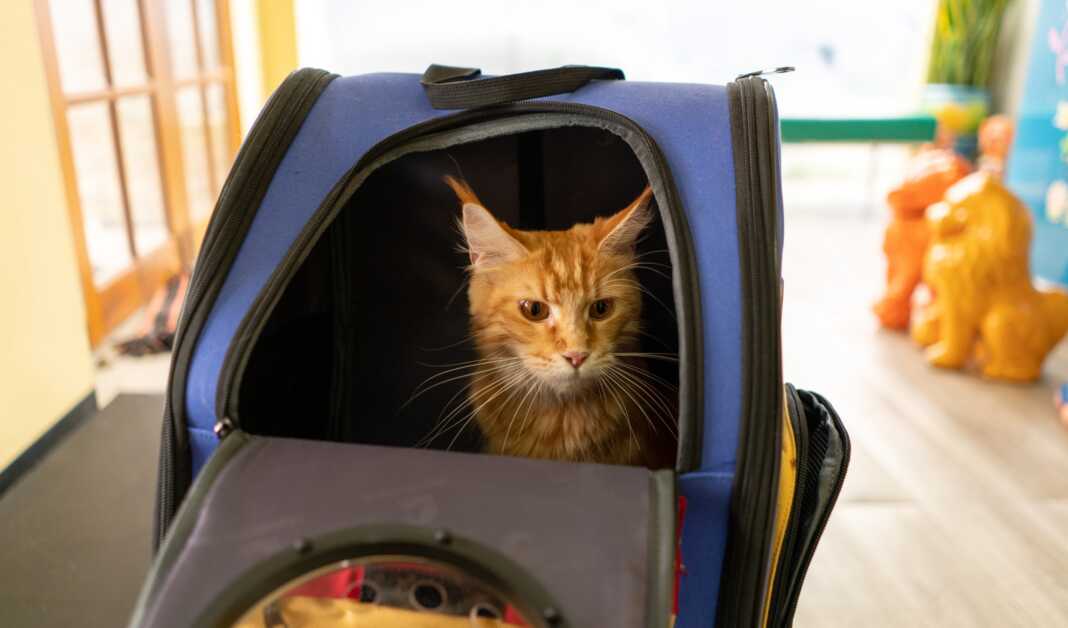
Finding trusted Maine Coon breeders in Europe takes more research than simply searching for available kittens. Buyers often need to compare breeders across different countries, registration bodies, health testing standards, transport rules, and breeding practices before making a safe decision.
Europe has many experienced Maine Coon breeders, but quality can vary widely, so it is important to focus on health, transparency, socialisation, and breeder reputation rather than convenience alone.
A good European breeder should be open about pedigree registration, genetic screening, contracts, export requirements, and how kittens are raised in the home. Buyers also need to think about practical issues such as pet passports, vaccination timing, travel stress, and whether cross-border transport is genuinely in the kitten’s best interests.
Quick Answer
You can find Maine Coon breeders across Europe, including in the UK, Western Europe, and Eastern Europe, but the safest choice is a breeder who can show clear registration, full health testing, strong welfare standards, and well-socialised kittens. When buying across borders, it is important to check the breeder’s cat association membership, vaccination and transport rules, written contracts, and exactly what support is offered after purchase.
Disclaimer and Warning

Maine Coon Central makes no representations or warranties with respect to the breeding or business practices of any of the companies listed within this article.

Maine Coon Central strongly recommends that an individual’s transactions with breeders be undertaken with the same caution and due diligence, as would be devoted to any important business matter.
Key Differences When Buying In Europe
If you’ve been used to the American way, you’ll quickly find that the process of buying a Maine Coon in Europe is slightly different.
1. Registry Affiliation
European breeders often operate under multiple registries:
- GCCF (UK)
- TICA (International)
- FIFe, WCF (continental Europe)
These registrations enforce strict standards for health, pedigree, and breeding practices.
2. Health Testing And Genetic Standards
Most breeders test queens and studs yearly via genetic panels and echocardiograms (HCM), and hip/dysplasia X‑rays.
These are non-negotiable if you’re importing a kitten from breeders like Mythos (Essex) or Coonland (Sweden).
3. Breed Standards Variations
European Maine Coons tend to have more natural, less exaggerated features compared to some American show lines, with a lower prevalence of hip dysplasia.
If you prefer a more traditional look, European lines may suit you.
4. Import And Export Rules
Importing from the EU to the US or vice versa requires:
- Five-generation pedigrees (for GCCF)
- Genetic health test results (HCM, SMA, PKDef, etc.)
- Microchip, rabies vaccine, and a pet passport
- Minimum age: 4 months with a 21-day rabies wait.
5. Strong Home-Rearing And Socialization Focus
Kittens grow up with daily social triggers:
- Cat shows
- Visitors
- Harness training
This creates well-rounded, fearless personalities. For example, Auracoonz kittens learn leash walking and indoor-outdoor exposure from an early age.
Breeders In Europe
Here are some breeders located in Europe:
🇬🇧 Mythos Maine Coons (Essex, UK)
Highly regarded TICA & GCCF-registered cattery. All breeding cats are negative for major genetic conditions and are brought to cat shows.
Show-quality, emphasizes pedigrees and annual echocardiograms.
🇬🇧 Auracoonz / Auracatz (Norfolk, UK)
Family-run, registered with TICA, GCCF, FIFe, WCF. Breeding cats live indoors, are outdoor-harness trained, and tested annually for HCM, PKDef, SMA, FIV/FeLV.
🇩🇪 Maine Coon Heaven (Germany)
Known for excellent temperament and top-tier health screening. Kits come with documentation, vet certificates, and health documentation.
Registered with FIFe and WCF.
🇸🇪 Coonland (Sweden)
Prioritizing strong genetics and social kittens raised in home environments.
Registered with TICA, FIFe.
Kittens raised in a family home environment follow social, strong genetic programs.
🇫🇷 Royal Maine Coon (France)
Collaborates with vets and geneticists to ensure longevity through health testing.
Registered with FIFe
🇮🇹 EuroCoons (Italy)
Breeds at a slower pace, feeds balanced raw diets, and handles health checks in-cattery (even snips/spays).
Registered with TICA, FIFe.
What To Look For
You should always vet the breeder thoroughly before buying a Maine Coon kitten. Here are a few factors you need to check:
| Factor | Why It Matters | Tips |
|---|---|---|
| Registry Proof | Ensures pedigree authenticity | Ask for registration numbers, and verify online |
| Health Certificates | Protects against genetic illnesses | Request an echocardiogram and genetic test results |
| Cattery Visits (or video) | Reflects kitten care & socialization | Check for clean, enriched environments |
| Socialization Practices | Affects behavior long-term | Ensure introduction to people, sounds, gentle handling |
| Breeding Frequency | Impacts the queen’s health | Ideal: 1 litter per 8–12 months |
| Import Knowledge | Avoid legal complications | Confirm the breeder has experience exporting, provides feeder documentation and pet passports |
To review the complete guide to Maine Coon Breeders In the United Kingdom, click this link to view my FULL article.
Smart Tips Before You Buy
Here are some brilliant tips to consider before buying a Maine Coon kitten:
Visit (Or Virtually Inspect) The Cattery
Check the kitten and parents’ behavior, see healthy living conditions, and ask for a live video if remote.
Confirm Health Via Certified Tests
Echo scan, hip/PDA X-ray, DNA panels – all reviewed directly with breeders and vet-signed.
Compare Pedigrees
Look for 3-5 generations, champion titles, and proof of valid registry lineage.
Inquire About Temperament And Training
Ask if kittens are exposed to grooming, people, other pets, and early travel crates (which ease future crate experiences).
Prepare For The Import Journey (If Applicable)
A robust pet passport with records, microchip, and certification is as vital as the kitten’s vet visit upon arrival.
Plan For Arrival
Create a calm environment. Find a local vet to continue vaccinations and make gradual home adjustments.
Pro Tips From Experienced Breeders
- Reserve Early: Most litters sell fast, so apply months ahead.
- Visit (or FaceTime): In-person visits offer insight into brood health and behavior.
- Vet First Week: Book a check-up ASAP to confirm health and schedule care.
- Prepare Bigger Kitten Gear: Maine Coons grow fast, so get a roomy litter tray and tall cat tree.
- Follow Transition Advice: Respect breeder guidance on diet and social boundaries.
Why Buying in Europe Is Worth It
- Tradition meets quality: Access to pedigree lines not available in North America
- Less exaggerated traits: European lines generally feel more natural in appearance.
- Career breeders with longevity in mind: Many multi-generational catteries with proven health practices.
- Global recognition: Registries like GCCF, FIFe, and WCF support export legitimacy and pedigree continuity.
Importing From Europe
What you should know:
- International Paperwork: Pet Passport, microchip, rabies vaccine, 5-generation pedigree, and veterinary export certificate.
- Timing Is Everything: Kittens must be ≥12 weeks old, microchipped, vaccinated, and follow a 21-day rabies wait period.
- Cost Considerations: Shipping crates, airline fees, vet checks, passport charges, and customs border clearance (typically under €500)
- Quarantine and Vet Visits: Some countries (e.g., UK post-Brexit) may require post-arrival vet checks or quarantine.
Conclusion
The best Maine Coon breeder in Europe is not simply the one with the prettiest kittens or the shortest waitlist. It is the one that is transparent about health, breeding standards, paperwork, and kitten welfare from the beginning. Careful checks on testing, registration, transport, and breeder communication can make the difference between a smooth experience and an expensive mistake.
FAQs
Are there good Maine Coon breeders in Europe?
Yes. Europe has many Maine Coon breeders, but standards vary, so buyers should compare health testing, registration, and breeder transparency carefully.
What should I check before buying from a European Maine Coon breeder?
Check pedigree registration, genetic testing, vaccination records, contracts, transport arrangements, and how the kittens are raised and socialised.
Are health tests important when buying a Maine Coon in Europe?
Yes. A responsible breeder should be open about DNA testing and screening for key inherited conditions such as HCM, SMA, and PKDef.
Is it safe to buy a Maine Coon kitten from another European country?
It can be, but buyers need to check travel rules, vaccination timing, paperwork, and whether the breeder is handling transport responsibly.
Which cat associations matter in Europe?
Buyers should look for recognised registration and breed-club involvement, such as GCCF in the UK or other established pedigree cat bodies used in the breeder’s country.
Should I visit a breeder in person?
Yes. An in-person visit, or at least a proper live video call, helps confirm cleanliness, kitten behaviour, and breeder openness.
Are Maine Coon scams a risk in Europe?
Yes. Buyers should be cautious if a breeder avoids paperwork, rushes payment, gives vague answers, or cannot clearly show the kitten’s environment and records.
What matters most when choosing a breeder?
Health, welfare, honest communication, and proper documentation matter more than fast availability or impressive photos.