Maine Coon Vaccination Schedule: Kittens, Boosters & Adult Vaccine Guide
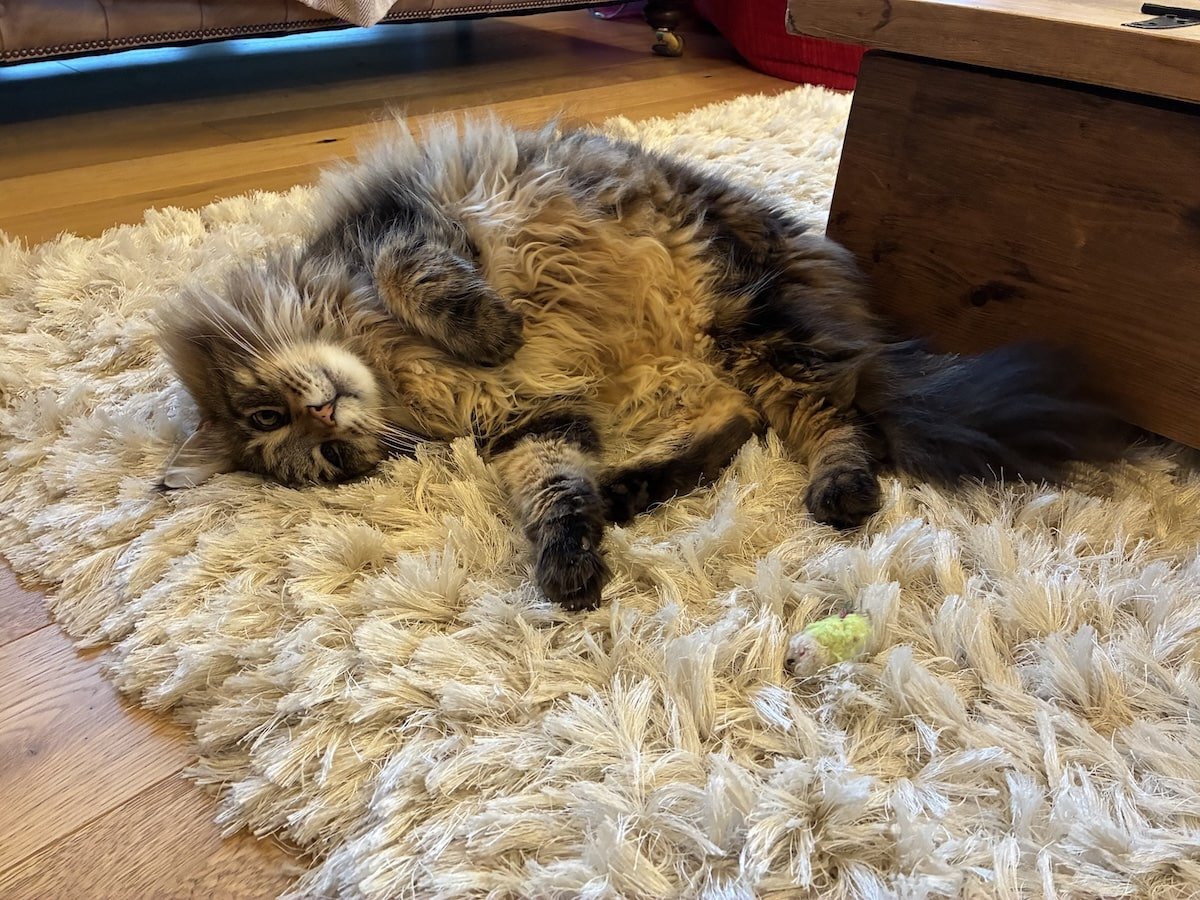
Many new Maine Coon owners assume their large size or slower physical maturation means they require a unique vaccination plan. In reality, Maine Coons follow the same scientifically validated vaccination schedule used for all domestic cats.
What differs is the lifestyle risk typical of the breed. Since Maine Coons are often friendly, curious, adventurous, and sometimes kept as partial outdoor cats, they are statistically more likely to encounter other cats, contaminated soil, or environments where viral particles can persist.
Veterinary vaccine guidelines from AAFP, AAHA, WSAVA, and ABCD Europe agree that cats should receive the following core vaccines:
- FVRCP
- Rabies
- FeLV for kittens
Non-core vaccines should be administered only when lifestyle factors warrant them.
Understanding exactly what each vaccine protects against and how long immunity lasts helps you avoid both under-vaccinating (which leaves your cat vulnerable to deadly diseases) and over-vaccinating (which increases the risk of side effects without improving protection).
Quick Answer
A Maine Coon vaccination schedule should be based on age, vaccine history, lifestyle, and exposure risk. Current feline vaccination guidance recommends core vaccines for cats, with non-core vaccines added only when your cat’s risk makes them appropriate. Kittens need an initial vaccine series, adult cats need booster planning based on their previous history, and long-term revaccination should be tailored by your vet rather than treated as a one-size-fits-all routine.
Core Vs Non-Core Vaccines For Maine Coons
Veterinary organisations classify vaccines into two major groups:
Core Vaccines
These are considered essential for every kitten and for nearly all adult Maine Coons. They protect against highly contagious and often life-threatening diseases:
- FPV (Feline Panleukopenia): A parvovirus causing sudden vomiting, bloody diarrhoea, and severe dehydration. Mortality can exceed 90% in unvaccinated kittens.
- FHV-1 (Feline Herpesvirus-1): One of the main causes of feline viral upper respiratory infections (“cat flu”).
- FCV (Feline Calicivirus): Causes mouth ulcers, pneumonia, and chronic respiratory disease.
- Rabies: Universally fatal and legally required in many regions.
- FeLV (Feline Leukemia Virus): Regarded as a core kitten vaccine because young cats are especially susceptible and may develop lifelong infection.
Most clinics deliver FPV + FHV-1 + FCV together as the FVRCP vaccine.
Non-Core Vaccines
These should not be given automatically. They are used only when clear risk factors exist. Examples include:
- Chlamydia Felis: Generally recommended only for multi-cat environments with documented outbreaks.
- Bordetella Bronchiseptica: Used in shelters or catteries with persistent respiratory disease.
- FeLV (for adult cats): Optional for strictly indoor adults with reliable low-risk lifestyles.
Guidelines emphasise individualised risk assessment because unnecessary vaccines expose cats to stress and rare complications without measurable benefit.
Why Kittens Need A Series Of Vaccinations
Maine Coon kittens, like all kittens, receive protective antibodies from their mother’s first milk (colostrum). These antibodies fade at unpredictable rates, sometimes as early as 6 weeks, sometimes later than 14 weeks. If a vaccine is given too early, maternal antibodies can neutralise it, preventing the kitten from developing immunity.
This is why every major veterinary guideline recommends a series of vaccines every 3-4 weeks until at least 16 weeks of age.
Skipping doses early in life can leave a kitten vulnerable to panleukopenia and calicivirus, diseases still seen in veterinary emergency hospitals.
Maine Coon Kitten Vaccination Schedule (0-12 Months)
Below is a straightforward, evidence-based timetable – the goal is to ensure your kitten receives multiple FVRCP doses and a completed FeLV series, followed by the crucial first-year boosters.
⭐ Maine Coon Kitten Vaccination Schedule
| Kitten Age | Core Vaccines | Optional Non-Core | Explanation |
|---|---|---|---|
| 6-8 weeks | FVRCP #1 | FeLV (If high-risk environment) | Some vets begin vaccines as early as 6 weeks for rescue kittens, but for home-bred kittens, 8 weeks is standard. Maternal antibodies may still interfere, so this shot begins the series. |
| 10-12 weeks | FVRCP #2 | FeLV #1 or #2 | At this age, maternal antibodies have dropped enough for most kittens to respond effectively. Maine Coon kittens that may ever go outdoors should start FeLV now. |
| 14-16 weeks | FVRCP #3 | FeLV #2, Rabies #1 | This final core dose is mandatory for strong, lasting immunity. Rabies timing depends on local law – many regions mandate vaccination at 12-16 weeks. |
| 6-12 months | Booster: FVRCP + Rabies | FeLV booster | This “completion booster” ensures immunity lasts for years. Some vets administer it at 6 months; others wait until exactly one year. |
Adult Maine Coon Vaccination Schedule (1 Year+)
Once your Maine Coon has completed the first-year booster, the recommended intervals become much longer.
Research from WSAVA and AAHA/AAFP shows that immunity for FPV, FCV, and FHV-1 lasts at least 3 years, and sometimes considerably longer.
The adult schedule also depends heavily on lifestyle:
- Indoor-only Maine Coons usually require fewer vaccines.
- Outdoor or supervised-outdoor Maine Coons may need ongoing FeLV and more regular updates.
- Show cats or travelling cats should follow stricter protocols to reduce infection risk.
| Vaccine | Frequency After First-Year Booster | Why This Matters |
|---|---|---|
| FVRCP | Every 3 years | Research shows long-duration immunity. Annual boosters offer no benefit to low-risk adults and increase unnecessary injections. |
| Rabies | Every 1-3 years, depending on the law | Rabies requirements vary significantly by country and state. Immunity from 3-year vaccines is robust, but legal compliance is essential. |
| FeLV | Annual boosters only for at-risk adults | FeLV remains a core kitten vaccine, but for strictly indoor adult cats, guidelines classify it as non-core. Outdoor and multi-cat homes may still require it. |
Are Maine Coons More Likely To React To Vaccines?
There is no evidence that Maine Coons have genetically increased sensitivity to vaccines. However, as a large breed, they often receive full adult doses earlier, simply because their body size resembles that of an adult at a much younger age.
This does not change the safety profile, but inexperienced owners sometimes misinterpret normal post-vaccine behaviour (such as sleepiness) as breed-specific sensitivity.
Typical Mild Reactions
Studies consistently report that mild reactions such as sleepiness, reduced appetite, or slight soreness at the injection site are common and usually resolve within 24-48 hours.
Rare But Serious Reactions
Two rare but significant concerns exist:
- Allergic hypersensitivity (anaphylaxis) usually occurs within minutes or hours.
- Feline Injection-Site Sarcoma (FISS) is a malignant tumour that can develop at vaccine sites months or years later.
ABCD and AAFP recommend the “3-2-1 Rule”: any lump that is still present after 3 months, larger than 2 cm, or growing after 1 month should be evaluated by a vet or biopsied.
To lower risk, vets now administer vaccines low on the limbs or tail so that tumours, if they develop, can be treated more successfully.
What To Discuss With Your Vet
Veterinary guidelines increasingly emphasise individualised care, meaning that two Maine Coons of similar age may receive completely different vaccine plans depending on lifestyle and risk.
When you see your vet, discuss:
1. Indoor Vs Outdoor Lifestyle
Indoor-only cats have lower exposure risk, whereas outdoor or supervised-outdoor cats face environmental contamination and exposure to unvaccinated cats.
2. Contact With Visiting Cats
If you foster kittens, engage in cat shows, or have a multicat household, vaccines like FeLV may remain advisable into adulthood.
3. Regional Rabies Laws
Some countries mandate annual rabies vaccines, while others allow 3-year intervals.
4. Your Cat’s Health History
Cats with chronic illness, allergies, immune suppression, or previous vaccine reactions may need modified schedules.
5. Brand And Type Of Vaccine Your Vet Uses
Not all vaccines have the same duration of immunity, and some clinics use 3-year FVRCP products, while others still use annual boosters. It is always worth asking.
The Best Vaccination Plan Is Personalised
A well-designed vaccination schedule keeps your Maine Coon safe from deadly infectious diseases while avoiding unnecessary injections.
The key principles are:
- Follow the complete kitten series to guarantee strong early immunity.
- Give the 6-12 month boosters to lock in long-term protection.
- Use 3-year FVRCP vaccines for healthy adults wherever guidelines and product licenses support it.
- Continue FeLV only if your cat has genuine exposure risks.
- Respect legal requirements for rabies, even if exposure seems unlikely.
- Re-evaluate the vaccine plan every year with your veterinarian based on lifestyle changes.
The result is a Maine Coon who is both well-protected and not over-vaccinated, aligning with modern veterinary best practice.
✅ 1. FAQ Section
How often should a Maine Coon be vaccinated?
Maine Coon cats typically receive core vaccinations every 3-4 weeks as kittens, usually at 8, 12, and 16 weeks, followed by a booster at 12 months, and then every 1-3 years depending on your vet’s protocol, lifestyle, and local disease prevalence. Vaccines such as FeLV may be recommended yearly for outdoor Maine Coons.
Do indoor Maine Coons need vaccines?
Yes. Even indoor Maine Coons still require core vaccines, such as FVRCP and rabies. Viruses can enter the home on shoes, clothing, or through open windows. Rabies vaccination is also legally required in many countries or states.
Which vaccines are mandatory for Maine Coons?
Mandatory vaccines vary by region. In most countries, rabies is the only legally required vaccine. However, veterinarians almost universally recommend the FVRCP core vaccine, as these diseases (panleukopenia, herpesvirus, and calicivirus) are highly contagious and often severe.
Does my Maine Coon need a FeLV (Feline Leukemia) vaccine?
The FeLV vaccine is recommended for:
- Outdoor Maine Coons
- Cats exposed to unknown or unvaccinated cats
- Multi-cat households with FeLV-status uncertainty
Indoor-only Maine Coons may not need FeLV boosters after their first-year series, unless risk changes.
Can Maine Coon kittens have adverse reactions to vaccines?
Most vaccine reactions are mild and short-lived, such as lethargy, mild fever, swelling at the injection site, or reduced appetite. Severe reactions are extremely rare (estimated at 0.01%-0.1%, according to published veterinary research). If symptoms last longer than 24-48 hours, contact your vet.
Are Maine Coons more sensitive to vaccines than other cat breeds?
There is no scientific evidence that Maine Coons are at higher risk of adverse vaccine reactions compared to other breeds. Their large size does not affect dosing, as feline vaccines use a standard dose across all breeds and weights.
Can I delay my Maine Coon’s vaccinations?
Delaying kitten vaccinations increases the risk of contracting potentially fatal diseases like panleukopenia. Adult boosters may be spaced further apart (every 2-3 years, depending on your vet’s protocol), but never skip vaccines without veterinary guidance.
What happens if my Maine Coon misses a booster?
If a booster is missed, your cat may lose immunity. Your vet may need to restart part or all of the vaccination series, depending on how much time has passed. The sooner you resume the schedule, the fewer additional injections may be required.