
9 Cat Breeds That Act Like Dogs (Friendly, Loyal & Trainable Cats)
If you love the loyalty and playfulness of dogs but prefer the independence of cats, you are not alone. Many cat owners are now actively searching for breeds that combine the best of both worlds.
While all cats have unique personalities, certain breeds consistently display dog-like behaviours, such as following their owners, playing fetch, and forming strong emotional bonds.
These breeds are typically:
- More social and people-oriented
- Highly intelligent and trainable
- Playful and interactive
For example, Maine Coons are often described as “gentle giants” that follow their owners from room to room, while Ragdolls are famous for greeting their humans and seeking constant companionship.
In this guide, you’ll discover the top cat breeds that act like dogs, what makes them different, and how to choose the right one for your lifestyle.
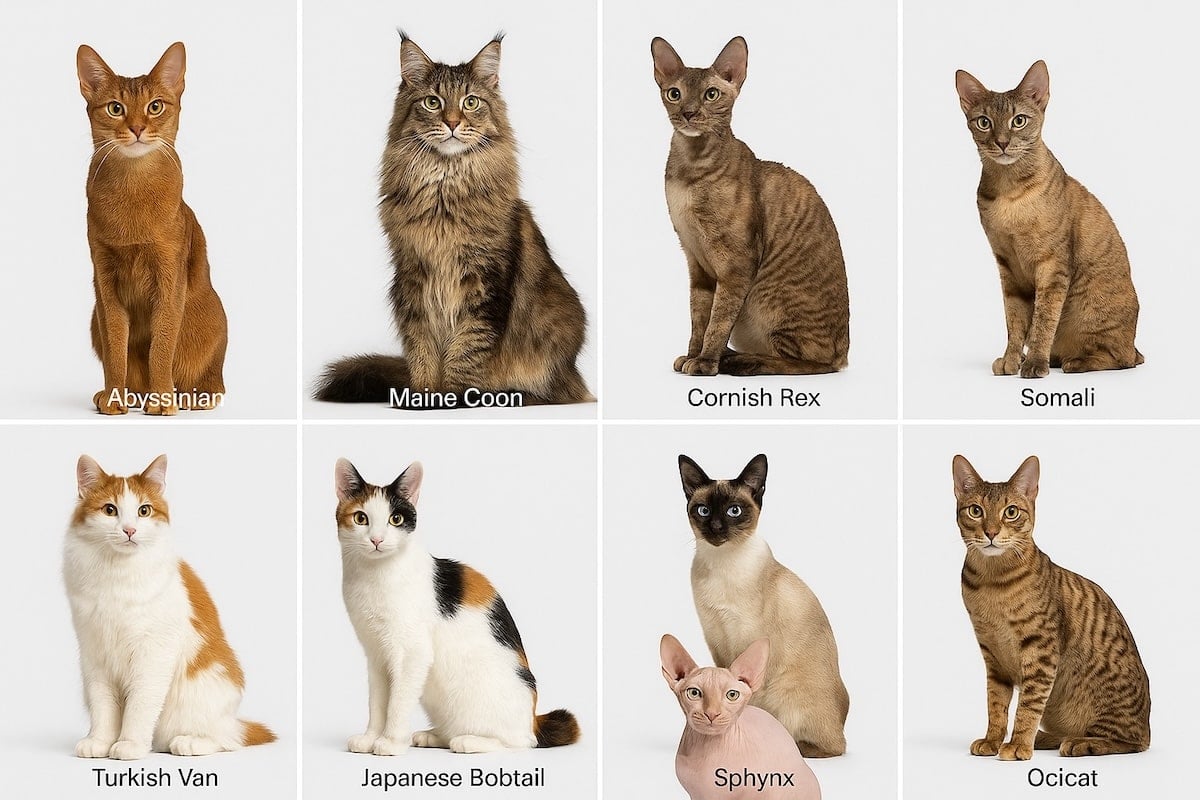
| Breed | Dog-Like Traits |
|---|---|
| Abyssinian | Fetch, intelligent, social, playful |
| Maine Coon | Leash walks, loyal, playful, water-friendly |
| Cornish Rex | Trick-loving, active, loyal, requires stimulation |
| Somali | Fetch, puzzles, athletic, affectionate |
| Japanese Bobtail | Family-oriented, playful, follows humans |
| Siamese | Vocal, loyal, attention- seeking, trainable |
| Turkish Van | Loves water, adventurous, clever, bold |
| Sphynx | Affectionate, playful, loves cuddling, thrives on attention |
| Ocicat | Social, loves travel, adventurous, friendly to strangers |
Quick Answer
Cat breeds that act like dogs include Maine Coons, Ragdolls, Abyssinians, Bengals, and Sphynx cats. These breeds are known for their loyalty, playfulness, trainability, and tendency to follow their owners, making them more interactive and social than typical cats.
Cat Breeds That Act Like Dogs
1. Abyssinian – The Fetch Master
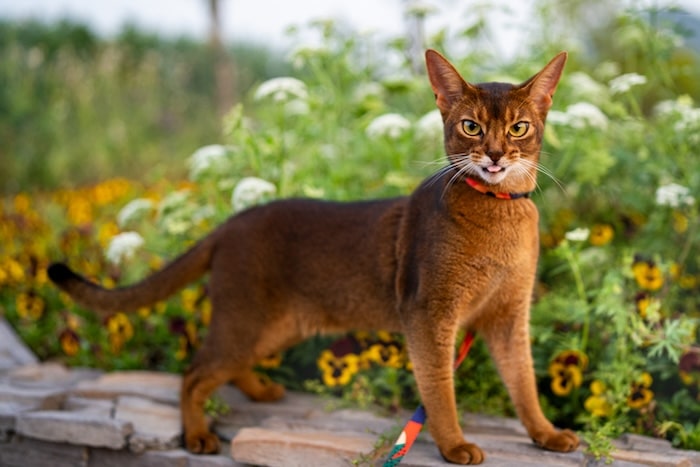
The Abyssinian is one of the oldest known cat breeds, believed to resemble the sacred cats of ancient Egypt. Lively and athletic, they thrive on play and exploration.
These cats are notorious fetch-lovers, often retrieving toys or balls just like a retriever.
Why they’re dog-like:
- Love to play fetch and interactive games
- Highly trainable and intelligent
- Extremely social – hate being left out of family life
- Follow their owners around the house
2. Maine Coon – The Gentle Giant
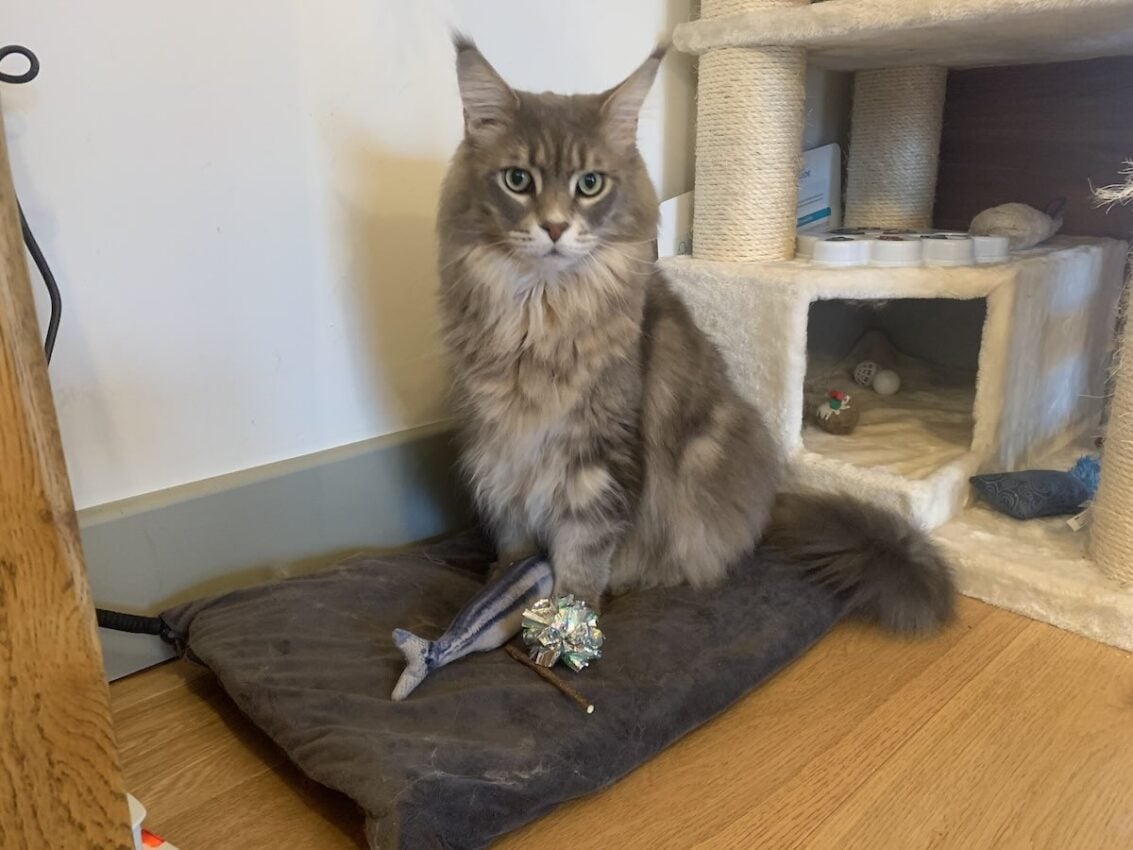
The Maine Coon is famous for being one of the largest domestic cat breeds, often weighing up to 22 lbs. Despite their size, they’re affectionate, friendly, and dog-like in their loyalty.
Many Maine Coons enjoy water, fetch, and even hiking outdoors on a leash.
Why they’re dog-like:
- Can be leash-trained for outdoor walks
- Devoted companions often greet you at the door
- Playful well into adulthood
- Naturally curious and highly social
3. Cornish Rex – The Performer
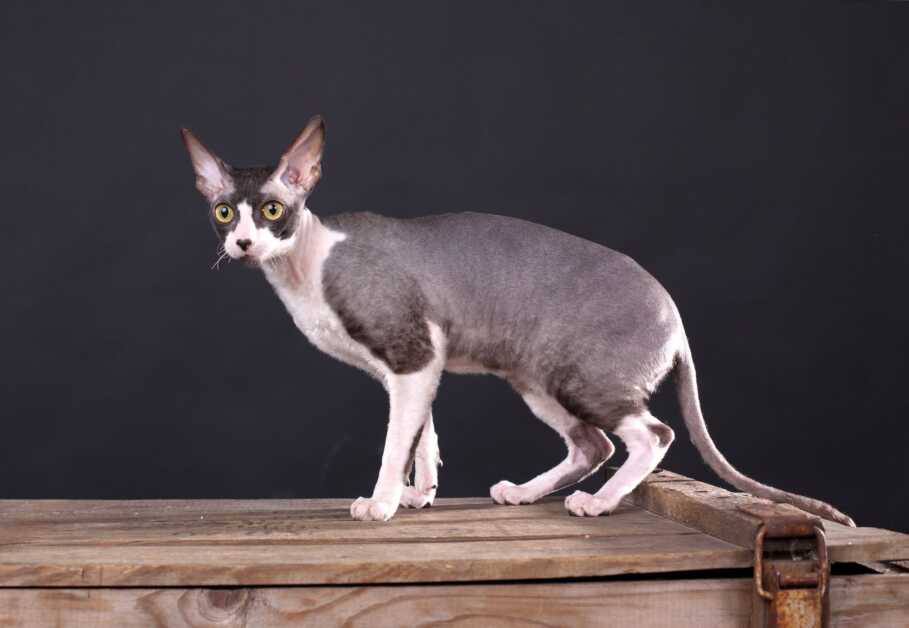
With its slender frame and soft, wavy coat, the Cornish Rex is built for speed and agility.
They are constantly on the move, love performing tricks, and will eagerly join in on games.
Why they’re dog-like:
- Energetic and thrives on interactive play
- Can be trained to perform tricks on command
- Loyal and people-oriented, often shadowing their humans
- Require stimulation like a working dog breed
4. Somali – The Long-Haired Trickster

Often called the “fox cat” thanks to their bushy tails and reddish coats, Somalis are closely related to the Abyssinian.
They’re energetic, mischievous, and thrive on attention.
Why they’re dog-like:
- Love puzzle toys and fetch games
- Extremely active and athletic
- Need daily stimulation just like a high-energy dog
- Build strong, affectionate bonds with owners
5. Japanese Bobtail – The Family Cat
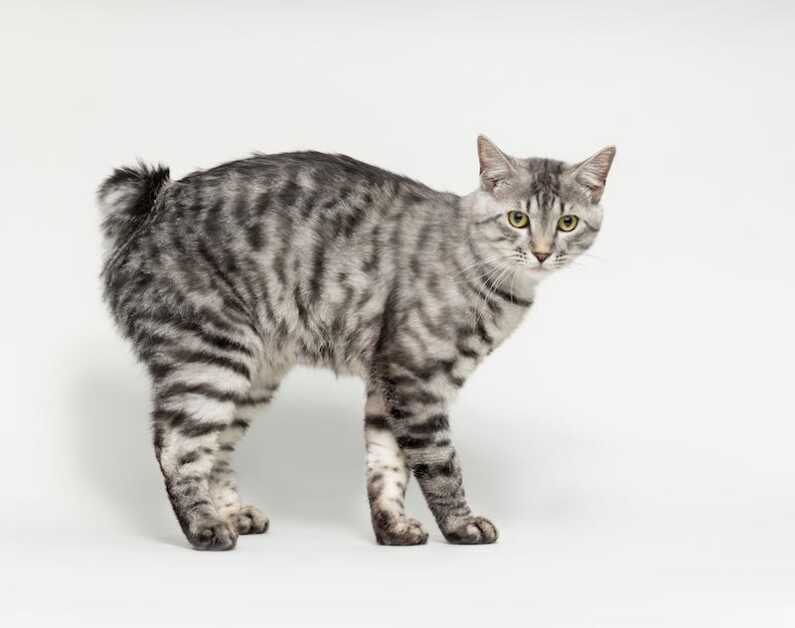
With their signature pom-pom tails and strong personalities, Japanese Bobtails are deeply ingrained in Japanese culture and folklore.
They’re affectionate, social, and thrive in family environments.
Why they’re dog-like:
- Actively seek human companionship
- Known for following owners around the home
- Intelligent and quick to learn tricks
- Playful and good with children
6. Siamese – The Talkative Companion
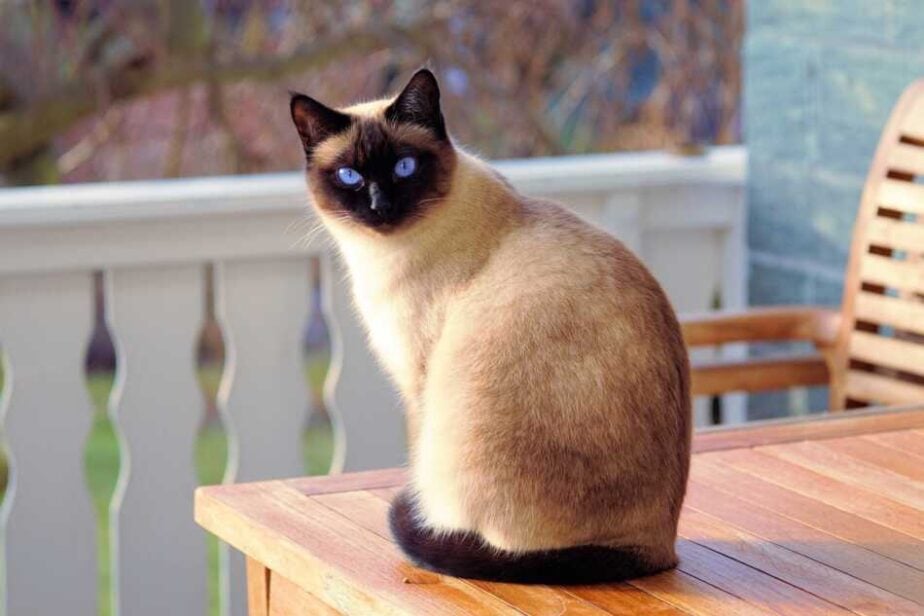
One of the most recognizable breeds, Siamese cats are chatty, expressive, and loyal. They “talk” to their humans in a variety of vocal tones, demanding attention and affection.
Why they’re dog-like:
- Strong communication with humans
- Attention-seeking and affectionate
- Easily trained for tricks and leash walking
- Loyal, often bond with one special person
7. Turkish Van – The Water Lover
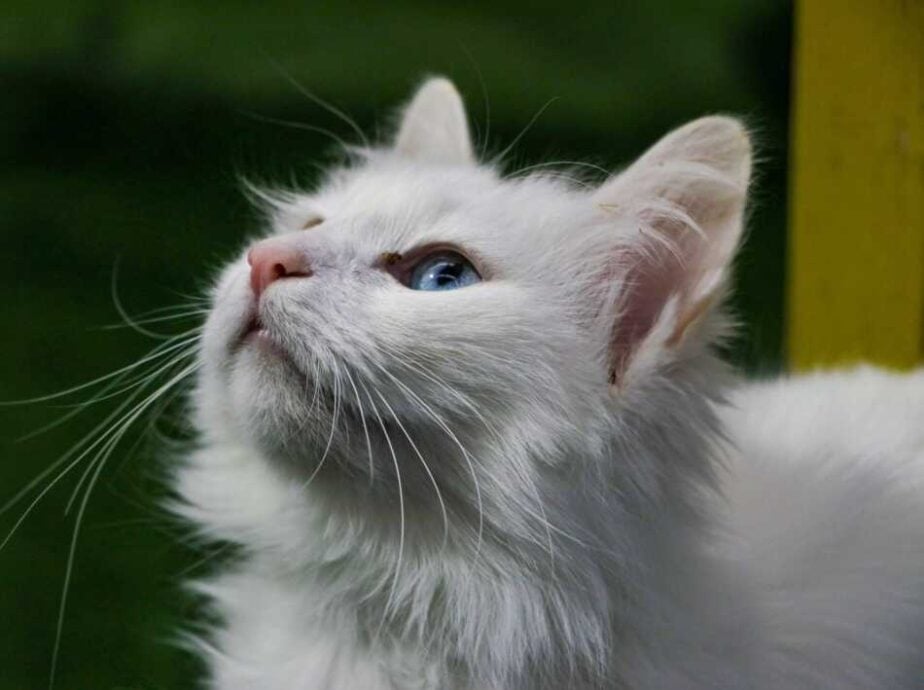
Nicknamed the “swimming cat,” the Turkish Van is one of the few breeds that actually enjoys water.
Adventurous and confident, they love climbing, exploring, and joining in household activities.
Why they’re dog-like:
- Fascinated by water, will even paddle in sinks or tubs
- Highly intelligent and playful
- Strong attachment to family
- Adventurous and bold like a sporting dog
8. Sphynx – The Social Butterfly
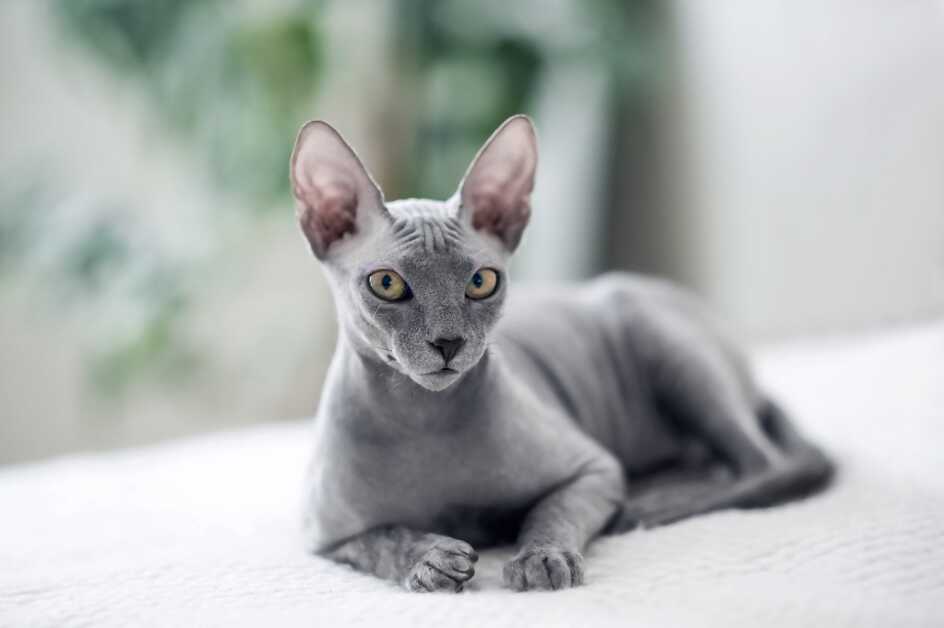
Though hairless, the Sphynx makes up for it with warmth and personality. They’re affectionate, people-oriented, and constantly crave interaction.
Why they’re dog-like:
- Thrive on human attention and dislike solitude
- Play fetch and perform tricks
- Love cuddling for warmth, like a lapdog
- Outgoing and curious around strangers
9. Ocicat – The Outgoing Adventurer

The Ocicat may look wild, but it’s 100% domestic. This spotted breed is outgoing, intelligent, and confident.
They’re known for greeting guests at the door and even traveling with their owners.
Why they’re dog-like:
- Highly social, gets along with dogs and other pets
- Love car rides and travel (with training)
- Active, playful, and bold
- Loyal and people-centered
If you’ve ever wanted a cat with a canine twist, these nine breeds deliver. From the loyal and gentle Maine Coon to the mischievous Somali and adventurous Turkish Van, each offers a unique mix of feline independence and dog-like devotion.
These breeds prove that cats aren’t just solitary observers; they can be energetic companions, adventure buddies, and family-focused pets.
If you’re ready for a cat that fetches, follows, and loves like a dog, one of these breeds may be the perfect fit.
Final Thoughts
Cat breeds that act like dogs offer a unique combination of companionship, intelligence, and playfulness that appeals to many pet owners.
Breeds like the Maine Coon, Ragdoll, and Abyssinian stand out because they are loyal, interactive, and highly people-oriented, often forming deep bonds with their families.
However, these traits come with responsibility. Dog-like cats typically need:
- More attention
- More stimulation
- More interaction
The key takeaway is simple:
- Choose a breed that matches your lifestyle ✔️
- Be prepared for higher engagement ✔️
- Prioritise personality over appearance ✔️
If you’re looking for a cat that behaves more like a companion than a roommate, these breeds can offer the best of both worlds — combining feline independence with canine-style loyalty.
FAQ
1. What cat breeds act most like dogs?
The most dog-like cat breeds include:
- Maine Coon
- Ragdoll
- Abyssinian
- Bengal
- Sphynx
- Burmese
These breeds are known for their loyalty, sociability, and playful nature.
2. Why do some cats act like dogs?
Some breeds are naturally more social and intelligent, which makes them more likely to:
- Follow their owners
- Respond to training
- Seek attention and interaction
These traits are often linked to selective breeding for temperament.
3. Are Maine Coons the most dog-like cats?
Maine Coons are widely considered one of the most dog-like breeds due to their loyalty, trainability, and tendency to follow their owners around the home.
4. Do dog-like cats need more attention?
Yes. These breeds are typically more social and require more interaction, play, and mental stimulation than more independent cats.
5. Can dog-like cats be trained?
Yes, many can learn behaviours such as:
- Fetch
- Walking on a leash
- Responding to commands
Their intelligence and desire to interact make training easier than with most cats.
6. Are dog-like cats good for families?
Yes, most dog-like breeds are:
- Friendly and tolerant
- Good with children
- Adaptable to busy homes
This makes them ideal for family environments.
7. Are dog-like cats more affectionate?
Generally, yes. Many of these breeds form strong bonds with their owners and actively seek attention, similar to dogs.
