15 Cat Breeds That Get Along With Dogs (Best Friendly Breeds Ranked)
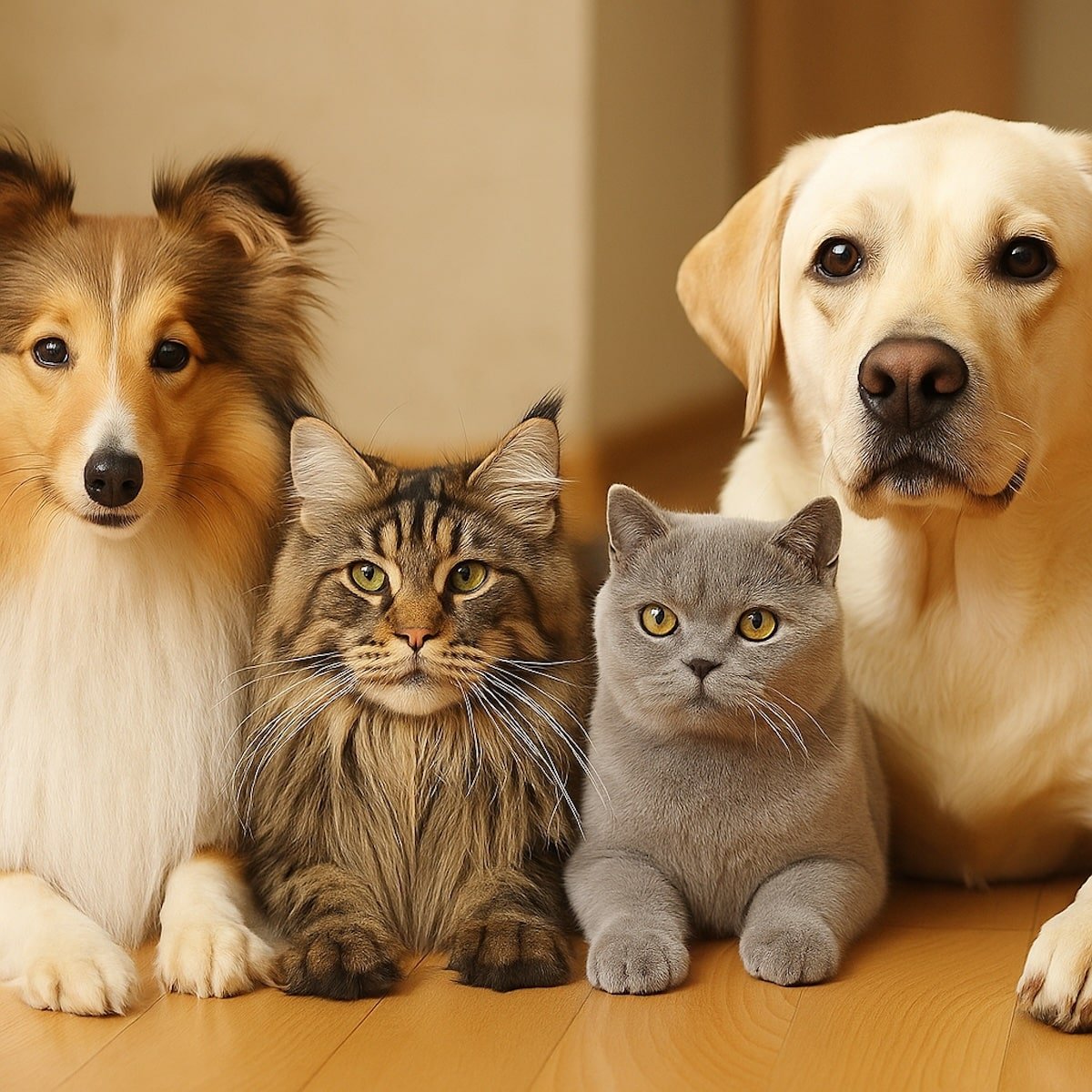
Cats and dogs can live happily together, but success often depends on choosing the right breed and personality.
While any individual cat can learn to tolerate a dog, some breeds are naturally more sociable, confident, and adaptable, making them far better suited to multi-pet households.
Dog-friendly cat breeds tend to share a few key traits:
- Low aggression and high tolerance
- Curiosity rather than fear
- Playful, social personalities
This is why breeds like the Maine Coon and Ragdoll are often recommended for homes with dogs – they are confident enough to interact, but relaxed enough not to feel threatened.
In this guide, you’ll discover the best cat breeds that get along with dogs, why they work well together, and how to choose the right match for your home (source 1).
Quick Answer
The best cat breeds that get along with dogs include Maine Coons, Ragdolls, Abyssinians, British Shorthairs, and Birmans. These breeds are known for their friendly, sociable, and adaptable personalities, making them more likely to coexist peacefully with dogs when introduced properly.
Cat Breeds That Get On With Dogs
Below, we’ll explore 15 cat breeds known for thriving in multi-pet households, explaining what makes them a good match for dogs and what you should keep in mind when building a happy, interspecies friendship.
1. Maine Coon

| Trait | Description |
|---|---|
| Temperament | Gentle, social, tolerant of others |
| Energy Level | Moderate to high. Playful but not hyper |
| Grooming Needs | Regular brushing; their long coat can become matted if neglected |
The Maine Coon is one of the most dog-friendly cat breeds.
These cats are calm, sociable, and gentle; they often follow puppies around with curiosity and can cuddle up to a dog companion when they feel safe.
They are large, but not overly territorial, and they often display dog-like behaviors such as learning commands or playing in a very interactive way. If you’re considering a cat to live with a dog, a Maine Coon is among the top picks.
2. British Shorthair
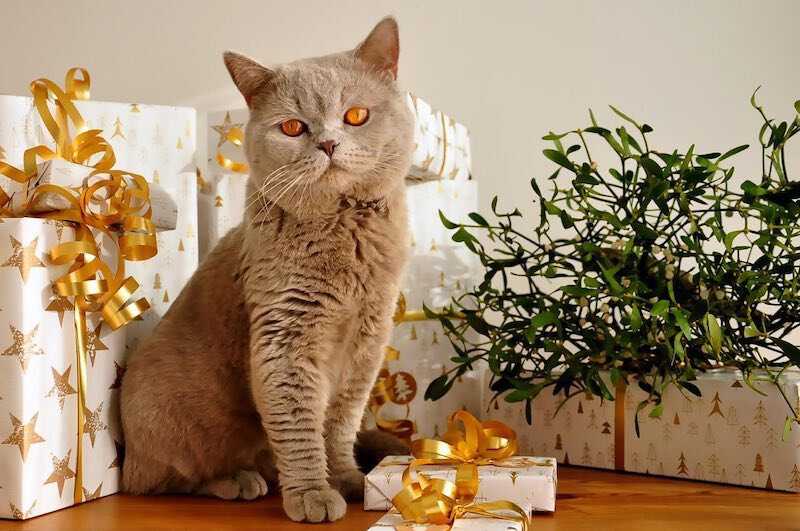
| Trait | Description |
|---|---|
| Temperament | Quiet, loyal, peaceful |
| Energy Level | Moderate: enjoys play but appreciates downtime |
| Grooming Needs | Low to Moderate; short coat needs occasional brushing |
The British Shorthair is intelligent and calm, often responding to a dog’s antics with patience rather than aggression.
This breed is not overly clingy but does enjoy being part of the family.
When living with dogs, a British Shorthair often waits for things to settle down rather than reacting. They can engage in play with dogs and appreciate the companionship without needing to dominate.
3. Norwegian Forest Cat

| Trait | Description |
|---|---|
| Temperament | Affectionate, independent, nurturing |
| Energy Level | Moderate; enjoys climbing and exploration |
| Grooming Needs | High, thick double coat needs care, especially in shedding seasons |
Norwegian Forest Cats are athletic and playful, and many of them display a natural affinity for dogs when raised together.
They combine an affectionate personality with an independent streak, allowing them to enjoy both playful interactions and quiet solitude.
When a Norwegian Forest Cat is introduced properly to a dog, especially a puppy, they frequently grow into excellent companions.
4. Ragdoll

| Trait | Description |
|---|---|
| Temperament | Relaxed, affectionate, friendly with all |
| Energy Level | Low to moderate, loves lounging, but will play |
| Grooming Needs | Moderate; grooming needed especially for the tail and mane |
Ragdolls are among the most adaptable breeds when it comes to living with dogs.
They are known for being unbothered by intrusion; if a dog wanders too close, a Ragdoll usually tolerates it rather than becoming upset.
Many Ragdolls happily engage in dog-style play and can even fetch toys. Because they are not territorial, they often become affectionate with their canine companions.
5. Abyssinian
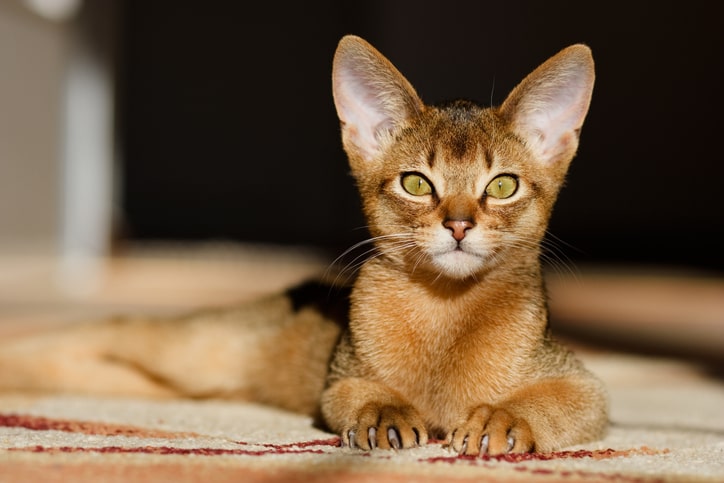
| Trait | Description |
|---|---|
| Temperament | Curious, confident, social |
| Energy Level | High, loves to explore, climb, be active |
| Grooming Needs | A low, short coat is easy to maintain |
Abyssinians are intelligent and active cats that enjoy companionship and stimulating play.
Their curiosity often means they will interact with dogs, sometimes initiating chase games or shared play.
If your home has an active dog, an Abyssinian can be a good match, provided the dog is gentle and the cat has places to retreat to.
6. Birman
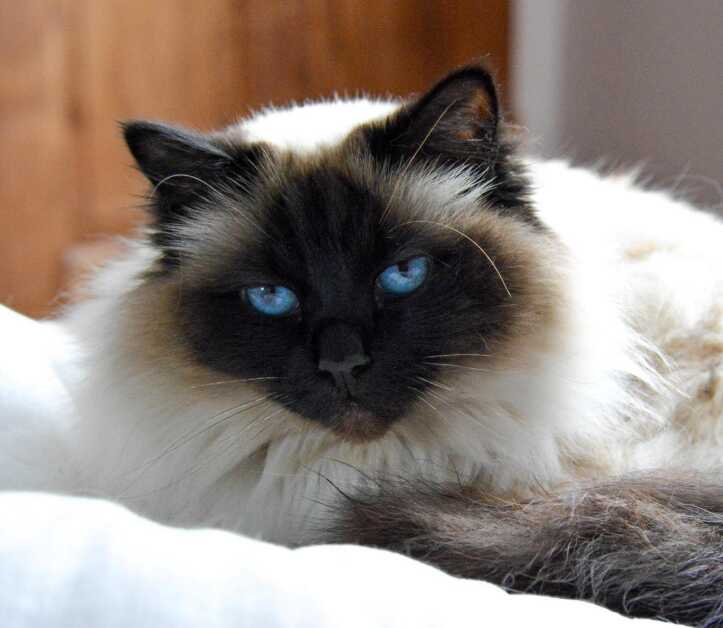
| Trait | Description |
|---|---|
| Temperament | Gentle, friendly, affectionate |
| Energy Level | Moderate |
| Grooming Needs | Moderate; semi-long coat requires brushing |
Birman cats are affectionate and curious without being overly demanding.
They often love playtime with dogs and may even join in games of chase.
Their calm nature allows them to adjust well to a multi-pet household, making them a reliable choice if you want harmony between cats and dogs.
7. Bombay
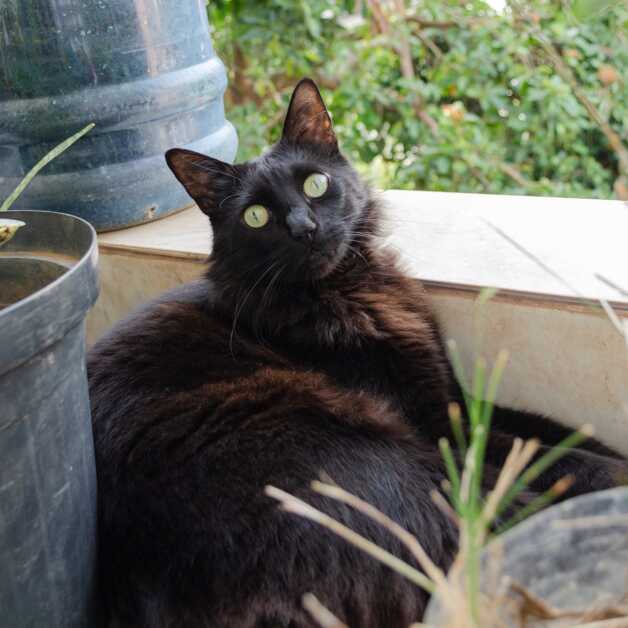
| Trait | Description |
|---|---|
| Temperament | Assertive, people-oriented, enjoys attention |
| Energy Level | Moderate |
| Grooming Needs | Low, sleek coat needs minimal upkeep |
Bombay cats are bold and like to know what’s happening in the house.
They enjoy attention and are often quite social with dogs, particularly if they receive enough human interaction.
Though they can like being in charge, their playful and outgoing nature often makes them good matches for canine companions.
8. Japanese Bobtail
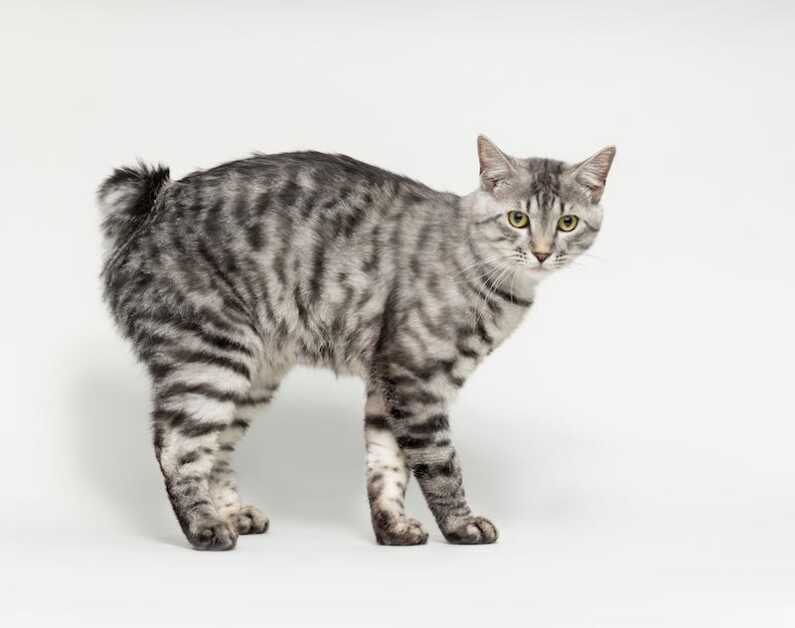
| Trait | Description |
|---|---|
| Temperament | Outgoing, affectionate, friendly with people and pets |
| Energy Level | Moderate |
| Grooming Needs | Low to Moderate; short coat but some seasonal shedding |
Japanese Bobtails are intelligent and active; they love interacting with other animals and children.
They are often described as loving “hugs and affectionate kisses,” and their playful energy tends to match well with dogs, especially if there is mutual respect during introductions.
9. Tonkinese

| Trait | Description |
|---|---|
| Temperament | Very social, outgoing, enjoys company |
| Energy Level | Moderate to High |
| Grooming Needs | Low, short, easy-care coat |
Tonkinese cats are known for being social butterflies; they thrive on attention and companionship and often enjoy meeting strangers and dogs.
They tend to be affectionate and interactive, often engaging in play and even fetching games.
This breed is well-suited to homes where no pets are ignored, and bonding with a dog is part of daily life.
10. Turkish Van
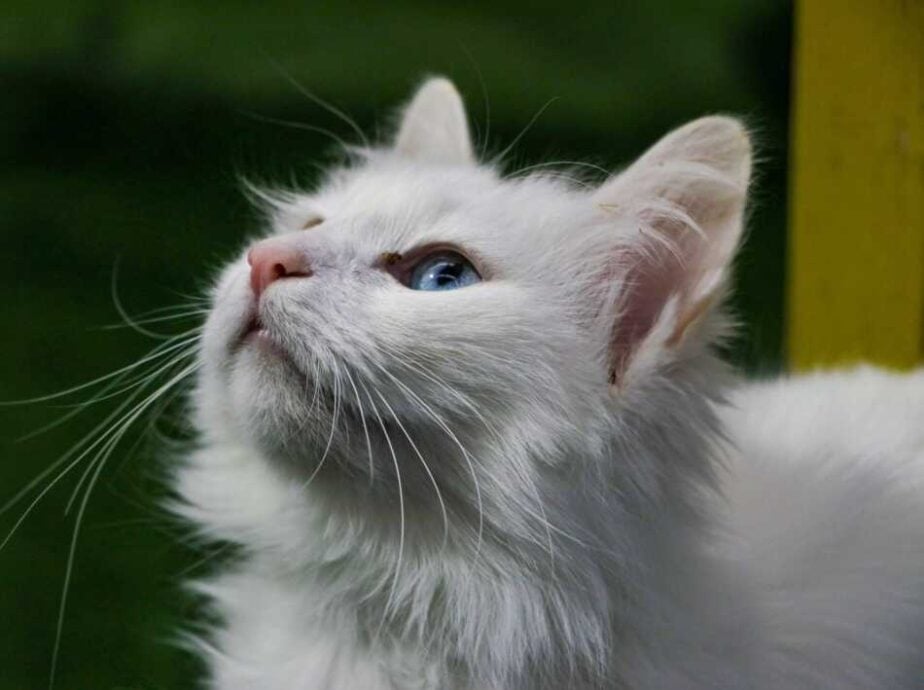
| Trait | Description |
|---|---|
| Temperament | Athletic, affectionate, adventurous |
| Energy Level | High: enjoys swimming, play, and active engagement |
| Grooming Needs | Moderate; coat is seasonal and needs occasional grooming |
Turkish Vans are often energetic and adventurous; they particularly enjoy play and may even appreciate fetching and water.
They are affectionate toward people and, with time and proper introduction, often accept dogs as friends.
Their playful, intelligent nature makes them good companions in a lively household.
11. Siberian

| Trait | Description |
|---|---|
| Temperament | Confident, playful, affectionate |
| Energy Level | Moderate to High |
| Grooming Needs | High: dense fur requires brushing |
Siberian cats are world-renowned for their robust build and affectionate, playful demeanor.
They often adapt well to living with dogs, sometimes cuddling together or sleeping near them once trust is established.
Siberians are also resilient, thriving in busy homes where dogs are present.
12. Turkish Angora
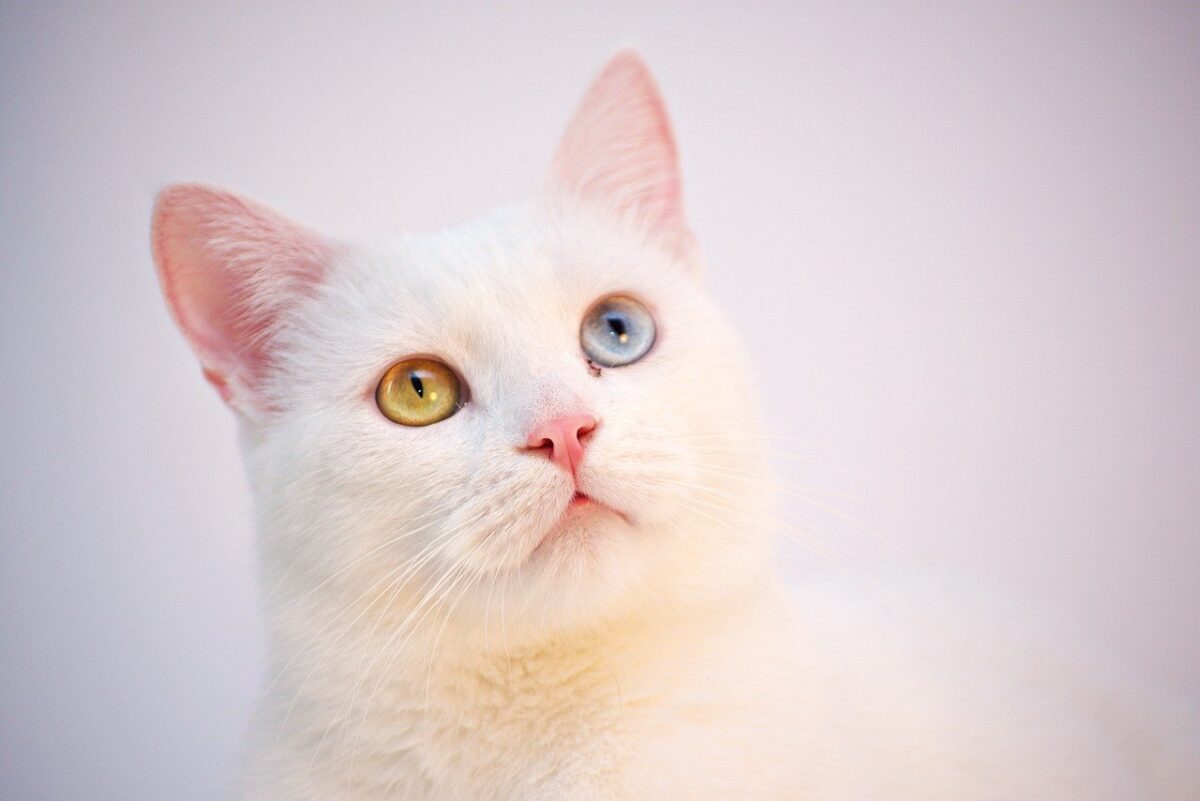
| Trait | Description |
|---|---|
| Temperament | Friendly, graceful, alert to changes |
| Energy Level | Moderate |
| Grooming Needs | Moderate; long, fine coat will become matted if not brushed |
Turkish Angoras are graceful and enjoy companionship; they can be socially flexible and often tolerate dogs well, especially those that are calm.
They do not like sudden changes, so a steady, patient introduction helps.
Their fine coat is beautiful but requires care, especially in seasonal molts.
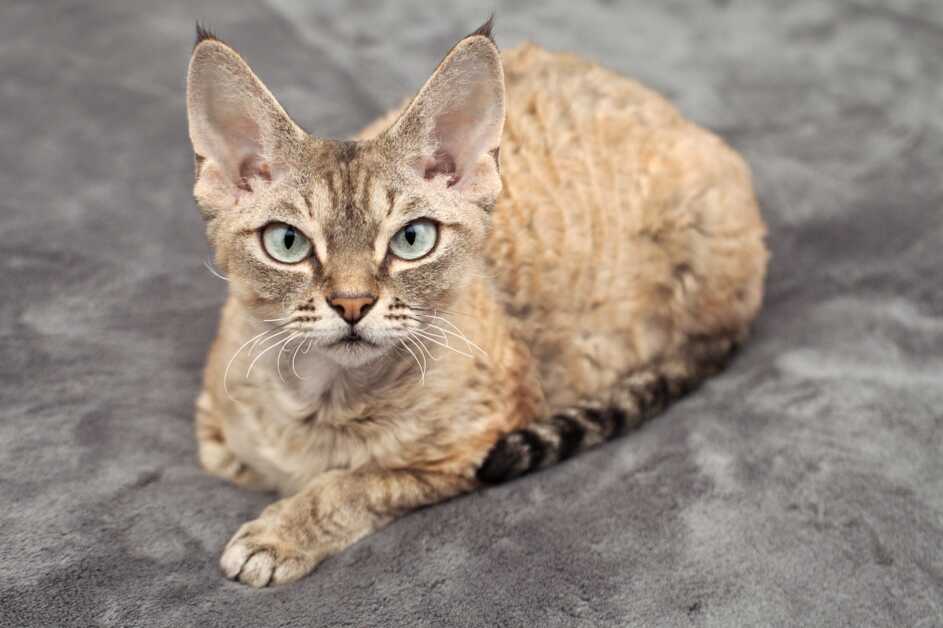
13. Devon Rex
| Trait | Description |
|---|---|
| Temperament | Outgoing, affectionate, loves attention |
| Energy Level | High |
| Grooming Needs | Low; curly coat needs gentle care, not much shedding |
Devon Rex cats are charismatic and playful, often seeking attention from all members of the household, including dogs.
They enjoy being involved in everything and are quite outgoing; their energy can match a playful dog’s energy level, provided that the dog is respectful of the cat’s boundaries.
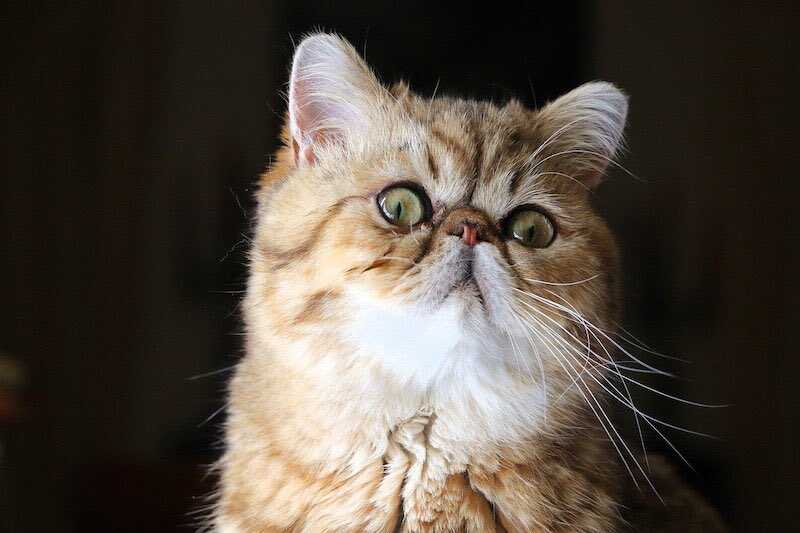
14. American Shorthair
| Trait | Description |
|---|---|
| Temperament | Easygoing, good-natured, adaptable |
| Energy Level | Moderate |
| Grooming Needs | Low; short, thick coat |
American Shorthairs have a mellow temperament and adapt well to family life.
They are typically easygoing around dogs and have the balance of playfulness and relaxation that can make them compatible with canine companions.
Their short coat makes them easier to care for in mixed-pet homes.
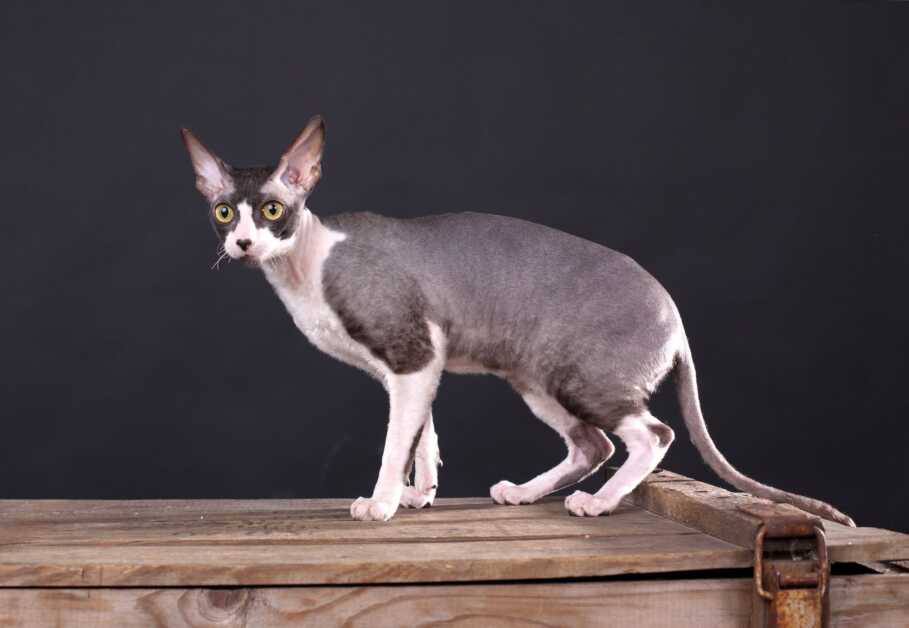
15. Cornish Rex
| Trait | Description |
|---|---|
| Temperament | Agile, lively, affectionate |
| Energy Level | High |
| Grooming Needs | Low, thin curly coat that requires minimal grooming |
Cornish Rex cats are energetic and agile, with a playful streak that often makes them excellent companions for dogs. They love to fetch and enjoy interactive toys.
Their lean bodies and curly fur give them a distinctive look, and their active personality means they can form strong bonds with dogs when introductions are gentle.
Tips To Ensure Cats & Dogs Get Along
Even the most dog-friendly cat breed won’t automatically get along with every dog. These five practices can set up a successful cohabitation:
- Slow introduction process: Let them smell each other under the door first; short sessions together; use treats and calm reinforcement.
- Safe space for the cat: High perches, cat trees, safe hiding places, so the cat never feels cornered.
- Match energy levels: If the dog is very excitable or large, a calm, confident cat may still be overwhelmed unless training helps.
- Respect personality: A cat’s individual temperament matters more than breed – some cats of “friendly” breeds are still shy or dominant.
- Reinforce positive interactions: Reward calm behaviour, encourage gentle play, and never force contact.
Final Thoughts
Choosing a cat that gets along with dogs is not just about luck – it is about selecting a breed with the right temperament and introducing them correctly.
Breeds like the Maine Coon, Ragdoll, and Abyssinian stand out because they are naturally sociable, confident, and adaptable, making them far more likely to accept a canine companion.
However, breed alone is not everything. The most important factors are:
- Proper introductions
- Individual personality
- A calm, controlled environment
The key takeaway is simple:
- Choose a sociable breed ✔️
- Introduce slowly ✔️
- Prioritise temperament over appearance ✔️
With the right approach, cats and dogs can form strong, lasting bonds and even become best friends.
FAQ
1. What cat breeds get along best with dogs?
The most dog-friendly cat breeds include:
- Maine Coon
- Ragdoll
- Abyssinian
- British Shorthair
- Birman
- Norwegian Forest Cat
These breeds are known for being social, calm, and adaptable.
2. Are Maine Coons good with dogs?
Yes, Maine Coons are one of the best cat breeds for homes with dogs. They are confident, playful, and often described as “dog-like” in their behaviour, making them more likely to bond with canine companions.
3. Why do some cat breeds get along with dogs better?
Certain breeds are more tolerant and sociable, meaning they are less likely to feel threatened. Cats that are confident and playful are more likely to engage positively with dogs rather than hide or react defensively.
4. Can any cat get along with a dog?
Yes, but it depends on:
- Early socialisation
- Proper introductions
- Individual personality
Even naturally shy breeds can adapt with time and patience.
5. What is the calmest cat breed for homes with dogs?
Breeds like the Ragdoll and British Shorthair are known for their calm, laid-back nature, which helps them tolerate dogs more easily.
6. Are kittens or adult cats better with dogs?
Kittens are usually easier to introduce to dogs because they adapt more quickly. However, calm adult cats with prior exposure to dogs can also adjust well.
7. How do I introduce a cat to a dog safely?
- Keep them separated initially
- Use scent swapping
- Allow gradual, supervised meetings
- Reward calm behaviour
A slow introduction greatly increases success in multi-pet homes.