
Annual Maine Coon Vet Check-Up Guide: What Vets Often Miss (And How To Protect Your Cat!)
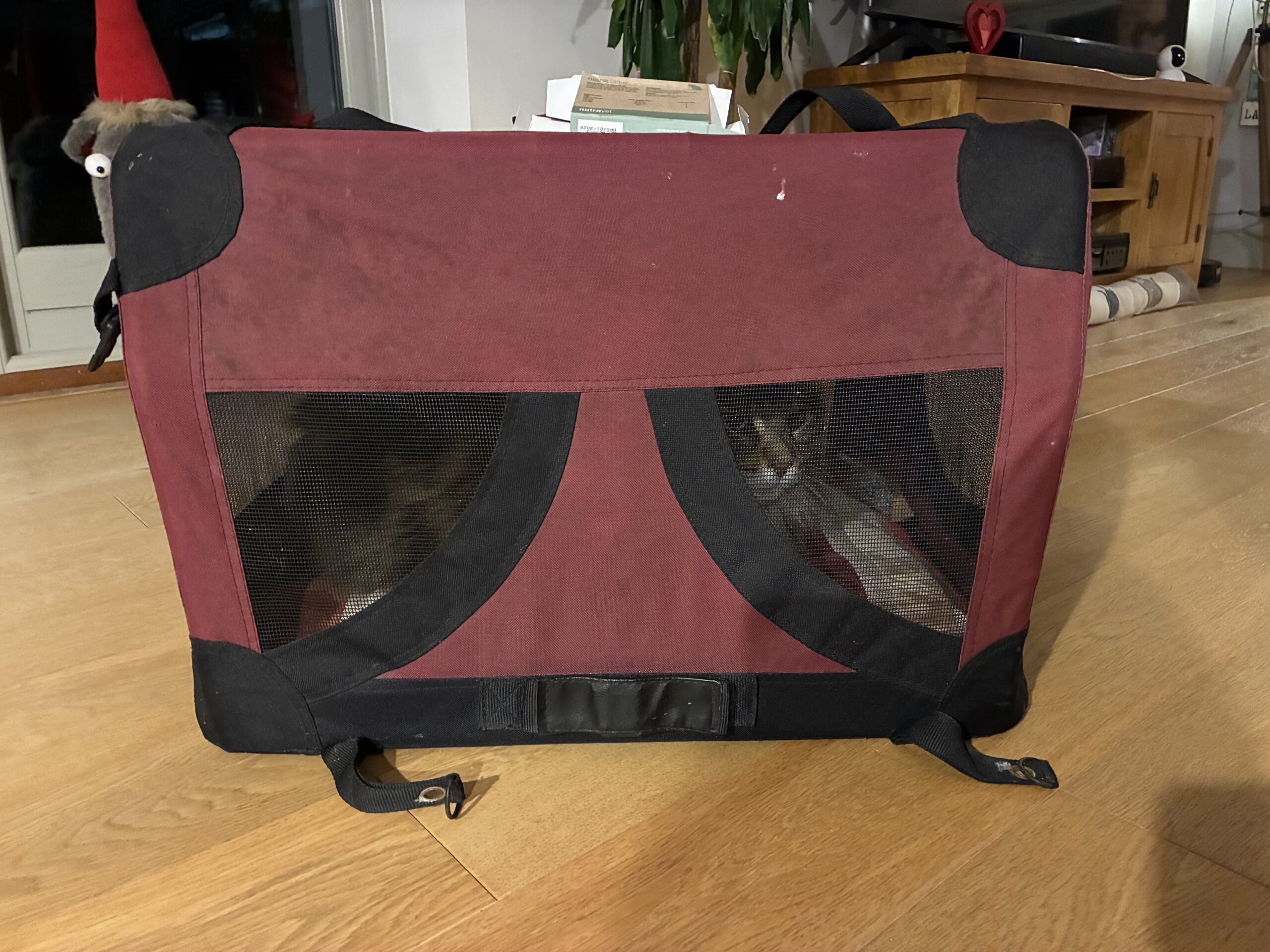
A Maine Coon’s annual vet check-up should include a full physical exam, dental inspection, weight tracking, heart and lung evaluation, blood and urine tests, parasite screening, mobility checks, dietary review, and breed-specific screenings such as HCM risk. Structured yearly assessments can identify problems early in this long-lived, slow-maturing breed.
Annual vet visits are non-negotiable when you own a Maine Coon. These gentle giants are incredibly resilient, but their thick coats, calm demeanour, and genetic predispositions can cause symptoms to remain hidden far longer than with other cat breeds. Because of this, a “normal” quick check-up simply isn’t enough.
This article reflects the exact system I personally use when taking Bali and Mika to the vet. Our veterinary practice has multiple vets, and their confidence levels around my cats differ enormously. Some are clearly uncomfortable handling such large cats; others move too quickly, especially with Mika, who is vocal, sensitive, and unafraid to defend his boundaries with a thumping paw!
Only one vet has shown zero fear of him, and unsurprisingly, that same vet gives the most consistent and thorough health assessments.
To prevent anything being overlooked, I now follow this structured checklist every year – and it has dramatically improved the quality of care my cats receive.
Quick Answer
A Maine Coon annual vet check-up is one of the best ways to protect your cat’s long-term health. Even if your Maine Coon seems perfectly well, yearly examinations help detect weight changes, dental disease, joint problems, heart concerns, kidney issues, and subtle age-related decline before they become more serious. Feline veterinary guidance recommends preventive check-ups at least once a year, and more often for senior cats or those with chronic conditions.
1. Full Physical Examination (10 Minutes Minimum)
A proper annual exam should be systematic, not rushed. Maine Coons hide problems under their long coats and stoic temperaments, so insist your vet checks:
What Should Be Examined:
- Eyes: redness, discharge, cataracts, iris changes
- Ears: mites, yeast infections, inflammation, debris
- Nose & sinuses: congestion, nasal discharge
- Mouth & throat: gum colour, ulcers, foreign objects
- Lymph nodes: swelling in the neck, armpits, and groin
- Skin: lumps, scabs, dermatitis hidden under the ruff
- Coat: dryness, brittleness, pattern of shedding
Experience with Bali:
His coat hides everything – tiny scabs, bumps, or dryness go unnoticed unless I point them out. Because he stays calm, vets often assume his skin is perfect unless prompted to look closer.
2. Heart And Lung Auscultation (Vital For Maine Coons)
Maine Coons have the highest known prevalence of Hypertrophic Cardiomyopathy (HCM) among pedigree cats.
Your vet must:
- Listen for murmurs
- Check rhythm regularity
- Evaluate respiratory sounds
- Count resting breaths
This should take a full 60 seconds, not a 5-second listen.
Experience with Mika:
Because he is vocal, some vets rush the heart check. I now always request they:
“Take a full minute to listen – he’s prone to getting stressed and masking symptoms.”
This has improved exam quality dramatically.
3. Weight, Body Condition Score & Muscle Score Tracking
Large cats hide weight changes under substantial fur.
What should be recorded annually:
- Exact weight (compare to last year)
- Body Condition Score (BCS) on a 1-9 scale
- Muscle Condition Score (MCS) – especially shoulders & hips
Body Condition Chart For Maine Coons
| Score | Meaning | Notes |
|---|---|---|
| 1-3 | Underweight | Can hide muscle loss under a fluffy coat |
| 4-5 | Ideal | Ribs felt easily with a slight waist |
| 6-7 | Overweight | Very common in neutered indoor males |
| 8-9 | Obese | Mobility declines, diabetes risk increases |
Why this matters:
Maine Coons reach full maturity at 3-5 years, not 12 months like most breeds, so weight trends must be monitored long-term.
4. Coat, Skin & Parasite Examination
Because Maine Coons have semi-water-repellent coats and thick undercoats, issues may be missed without a deep check.
The vet should examine for:
- Fleas, flea dirt
- Ticks (often hidden under the neck ruff)
- Ringworm lesions
- Fungal infections
- Dermatitis
- Sores hidden under matted fur
Experience with Mika:
His fur mats more easily in winter, and some vets do not look beneath his ruff or the fur on his backend unless I specifically request it. I suspect this is because they are scared of him! If you live with a slightly spikey Maine Coon as I do, offer to hold them in a towel at the vets – this usually removes the fear from the vet’s eyes!
5. Dental And Oral Health Screening
Dental disease affects >70% of adult cats, yet most symptoms are silent.
Your vet should check for:
- Gingivitis
- Resorptive lesions
- Tartar
- Broken teeth
- Mouth ulcers
- Jaw tenderness
Large-jawed breeds like Maine Coons often hide oral pain because they continue eating normally.
6. Gastrointestinal Health Check
Your vet should ask about:
- Vomiting frequency
- Hairballs
- Diarrhoea
- Constipation
- Appetite changes
- Food intolerances
A gentle abdominal palpation helps identify:
- Intestinal thickening
- Blockages
- Soreness
- Enlarged organs
7. Joint, Hip & Mobility Examination
Maine Coons are genetically prone to hip dysplasia, lax joints, and early arthritis.
Vet should:
- Flex and extend each leg
- Palpate hips and knees
- Check gait and mobility
- Assess pain response
- Evaluate muscle symmetry
If your cat jumps less than before, this should be discussed.
8. Blood Tests & Urinalysis (Annually For adults)
Bloodwork should include:
- Kidney function: BUN, CREA
- Liver enzymes: ALT, ALP
- Inflammation markers: WBC profile
- Anaemia screening: RBC, HCT
- Electrolytes: potassium, sodium
- Glucose: diabetes screening
- Thyroid (T4): from age 7+
Urinalysis checks for:
- Urinary crystals
- Early kidney decline
- Infection
- pH issues
- Glucose spills
- Dehydration
Many owners mistakenly think bloodwork is only for senior cats – it is critical for young Maine Coons too.
9. Behaviour, Anxiety & Stress Assessment
Changes in behaviour often point to deeper issues.
Your vet should ask about:
- Sudden aggression
- Hiding
- Reduced appetite
- Excessive vocalisation
- Pacing
- Stress behaviours (overgrooming, spraying)
Experience with Bali & Mika:
Their personalities affect how exams unfold. Mika reacts loudly if handled incorrectly, while Bali goes unnervingly still. Both reactions can mislead nervous vets into skipping assessments. I always explain their behaviours beforehand as this improves accuracy and reduces fear.
10. Vaccination Review (Lifestyle-Based)
Your vet should tailor vaccination depending on:
- Indoor-only
- Indoor/outdoor
- Travel
- Exposure to boarding facilities
- Multi-cat households
Standard yearly discussions should include FVRCP, FeLV (for outdoor cats), and Rabies (regional requirement).
11. Nutrition Review
Your vet should:
- Evaluate the current diet
- Check calorie intake
- Advice on protein levels
- Determine the correct hydration strategy
A nutritional review is essential because Maine Coons require high-quality lean protein to maintain healthy muscle mass.
Annual Vet Visit Checklist (Printable)
Take this to your appointment:
- Full physical exam
- Heart & lung check
- Weight, BCS & MCS
- Dental exam
- GI evaluation
- Mobility check
- Parasite screen
- Blood test & urinalysis
- Vaccination review
- Behaviour review
- Diet review
- Notes about your cat’s temperament (gentle vs reactive)
Take A Look!
- Maine Coon Health and Wellness Guide
- Maine Coon Diet And Nutrition
- Maine Coon Grooming
- Maine Coon Litter Care
- The Silent Threat Of Maine Coon Hypertrophic Cardiomyopathy
- Maine Coon Vaccination Schedule
FAQ Section
How often should a Maine Coon go to the vet?
Most Maine Coons should have a vet check-up at least once a year. Senior cats and cats with ongoing health problems often need visits more frequently because subtle changes can happen faster with age.
Does a healthy Maine Coon still need an annual vet check?
Yes. Even a healthy-looking Maine Coon can have early dental disease, weight gain, arthritis, heart changes, or kidney problems that are easier to manage when found early. Preventive care is meant to catch problems before they become obvious at home.
What happens at a Maine Coon annual vet check-up?
A yearly check-up usually includes a full physical exam, weight and body condition check, dental assessment, discussion of diet and lifestyle, vaccination review, parasite-control review, and a look at joints, heart, lungs, skin, and overall condition.
Do senior Maine Coons need more than one vet check a year?
Often, yes. Older Maine Coons are more likely to develop arthritis, dental disease, kidney problems, weight loss, and other age-related issues, so more frequent monitoring is often helpful.
Why is an annual vet visit important for Maine Coons?
Annual vet visits matter because Maine Coons can hide illness well, and large-breed cats may develop joint, heart, weight, and mobility problems gradually. A routine exam gives your vet the chance to spot trends before they become serious.
Can a vet detect Maine Coon heart problems early?
Sometimes. A routine exam cannot find every heart problem, but it may pick up warning signs such as abnormal heart sounds, breathing changes, poor circulation, or symptoms that suggest your cat needs further testing.
Should my Maine Coon have blood tests at an annual check-up?
Sometimes, especially if your Maine Coon is older, has symptoms, or your vet wants to monitor trends over time. Blood tests are not always needed for every cat every year, but they can be very useful in senior or higher-risk cats.
What should I ask at my Maine Coon’s annual vet check?
Ask about weight, body condition, dental health, mobility, breathing, parasite control, vaccination needs, and whether any breed-related risks should be monitored more closely. This helps turn the visit into a proper preventive check, not just a quick exam.
Do indoor Maine Coons still need yearly vet visits?
Yes. Indoor Maine Coons can still develop obesity, dental disease, arthritis, kidney problems, and other health conditions, so being indoors does not remove the need for regular preventive care.
Can a Maine Coon annual check-up help detect arthritis?
Yes. A vet may notice stiffness, pain, reduced range of motion, muscle loss, or subtle mobility changes that owners may miss at home. This is especially important in large cats and senior cats.
How can I prepare my Maine Coon for a vet appointment?
Use a secure carrier, keep the trip calm, and make a note of any recent changes in appetite, breathing, grooming, litter tray habits, movement, or behaviour. Cat-friendly handling and reduced stress can make the visit easier for both you and your cat.
Are annual vet checks really necessary if nothing seems wrong?
Yes. Cats often hide illness, and preventive exams are designed to find early changes before they become more advanced, more painful, or harder to treat.
