
Maine Coon Lifespan: How Long Do Maine Coons Live, And What Shortens Or Extends Their Life?
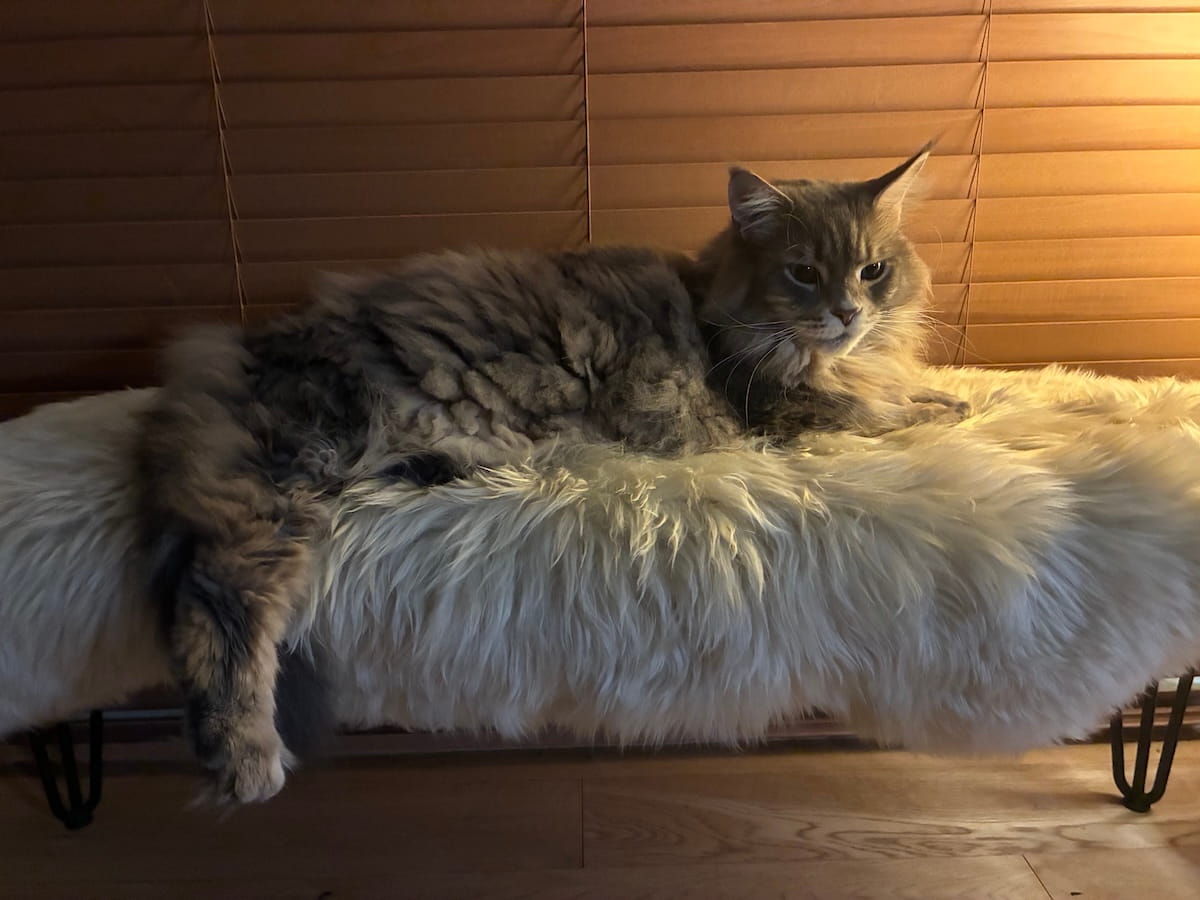
Maine Coons are often described as gentle giants, but one of the biggest questions owners ask is this: how long do Maine Coons live?
The honest answer is that there is no single number that fits every cat. Some Maine Coons die younger than owners expect because of inherited health problems or sudden cardiac events, while others live well into their mid or late teens. Genetics, body condition, veterinary care, diet, stress levels, and whether the disease is caught early can all make a meaningful difference.
Most owners will see general lifespan estimates ranging from around 9 to 15 years, with many sources, including The International Cat Association (TICA), placing the Maine Coon more commonly in the 12 to 15 year range. Some Maine Coons live much longer, especially when they come from carefully health-tested lines and maintain good body condition throughout life.
What matters most is not chasing a perfect number. It is understanding what affects Maine Coon longevity, which warning signs should never be ignored, and how to give your cat the best possible chance of a long, healthy life.
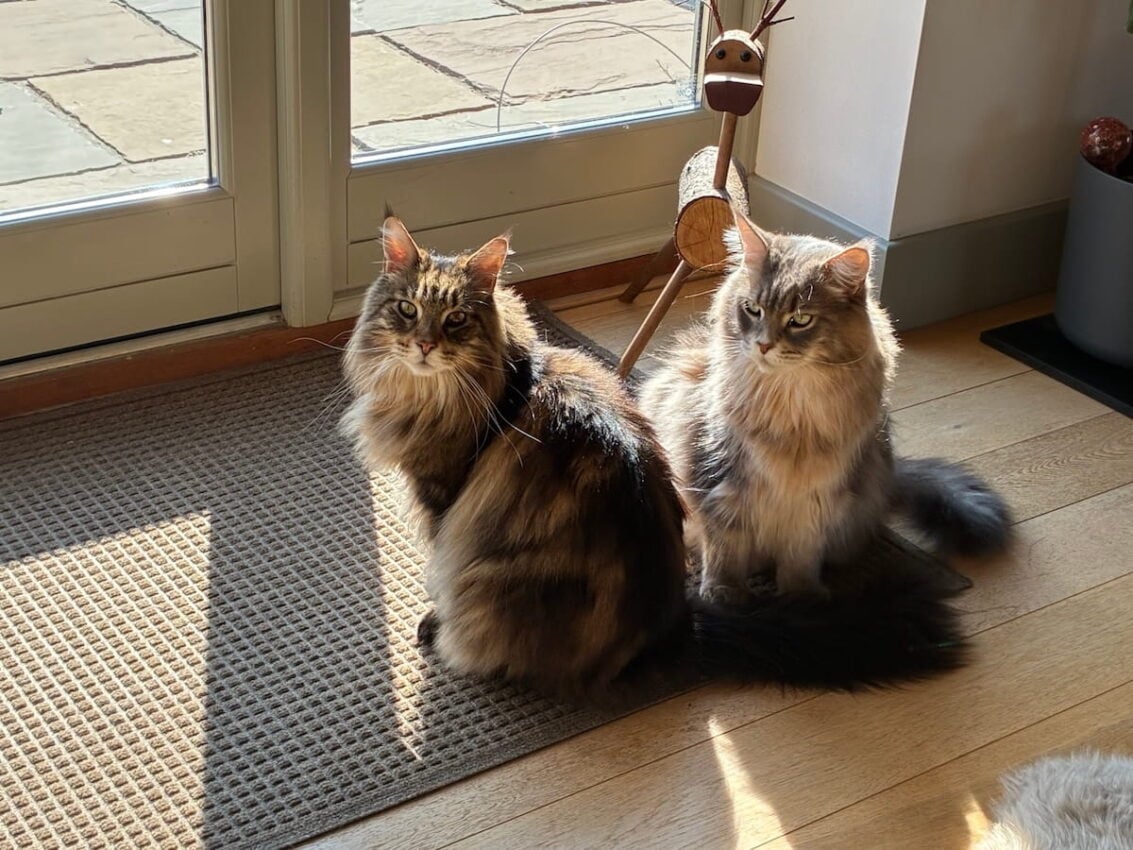
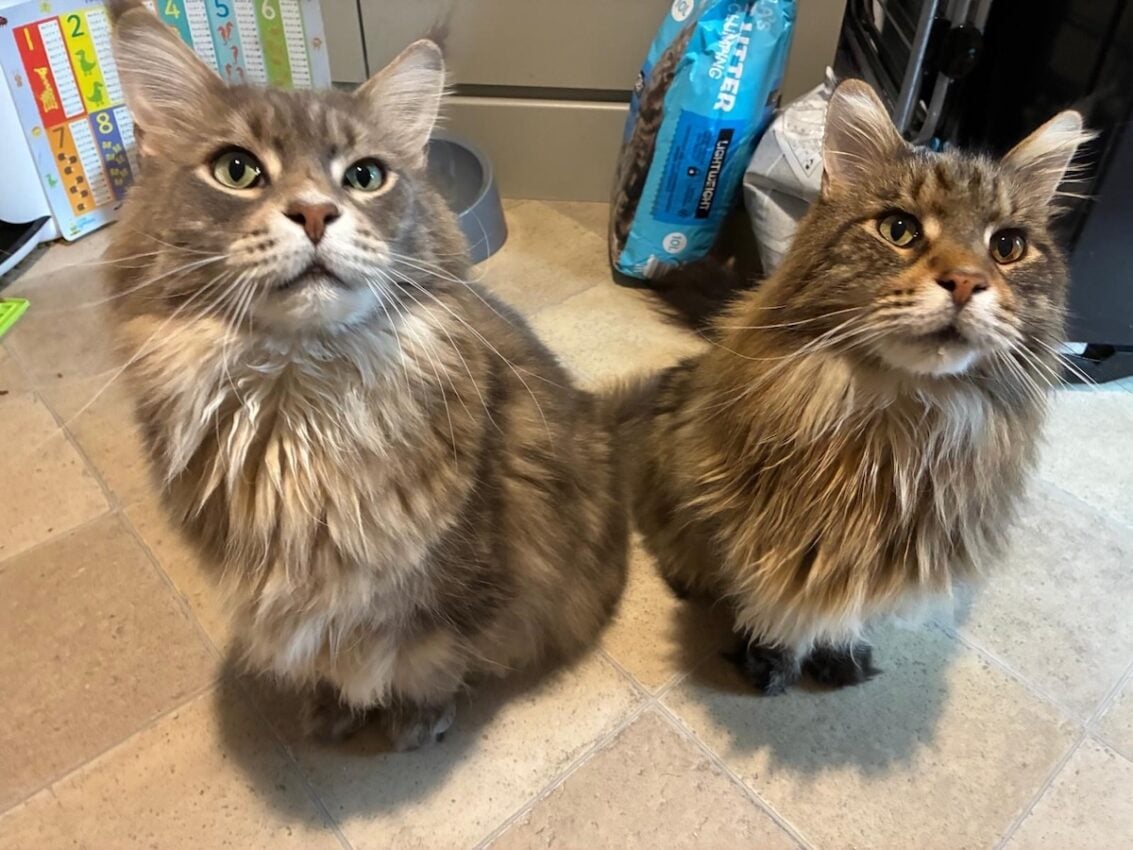
Quick Answer: What Is The Average Maine Coon Lifespan?
Most Maine Coons are commonly said to live for around 12 to 15 years, although some breed references give a broader range of 9 to 15 years, and some cats live beyond that. In real life, it is not unusual to hear of Maine Coons reaching 16, 17, or even 18+ years, but that should be seen as excellent longevity rather than something guaranteed.
In our own Maine Coon Central YouTube community poll of 125 votes, 26% of owners said their cats lived 17+ years. That does not make 17+ the average, but it does show something important: Maine Coons are not automatically “short-lived” cats. Some clearly do reach a very advanced age.
At the same time, the breed does carry known health risks, especially cardiac and joint-related issues, and these can shorten lifespan in some lines.
If you’re interested in learning about the health conditions that this large cat breed is prone to, make sure you read my Maine Coon Health and Wellness guide.
My Personal Experience: Pippin Lived To 10
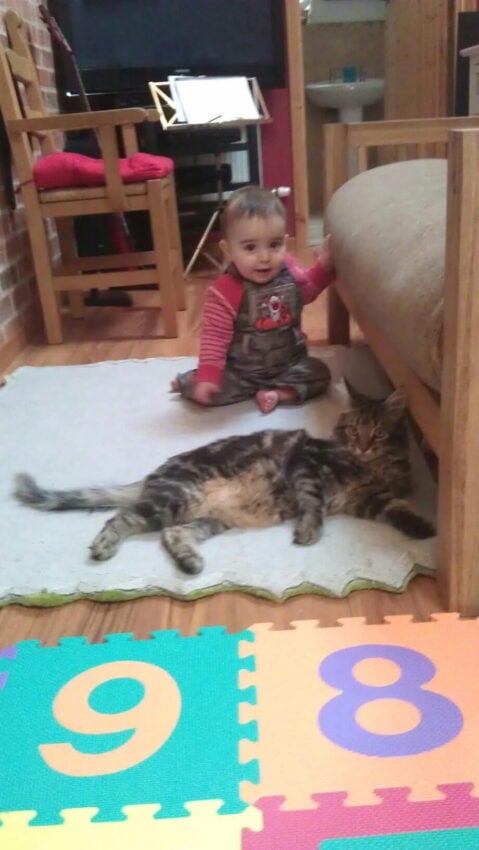
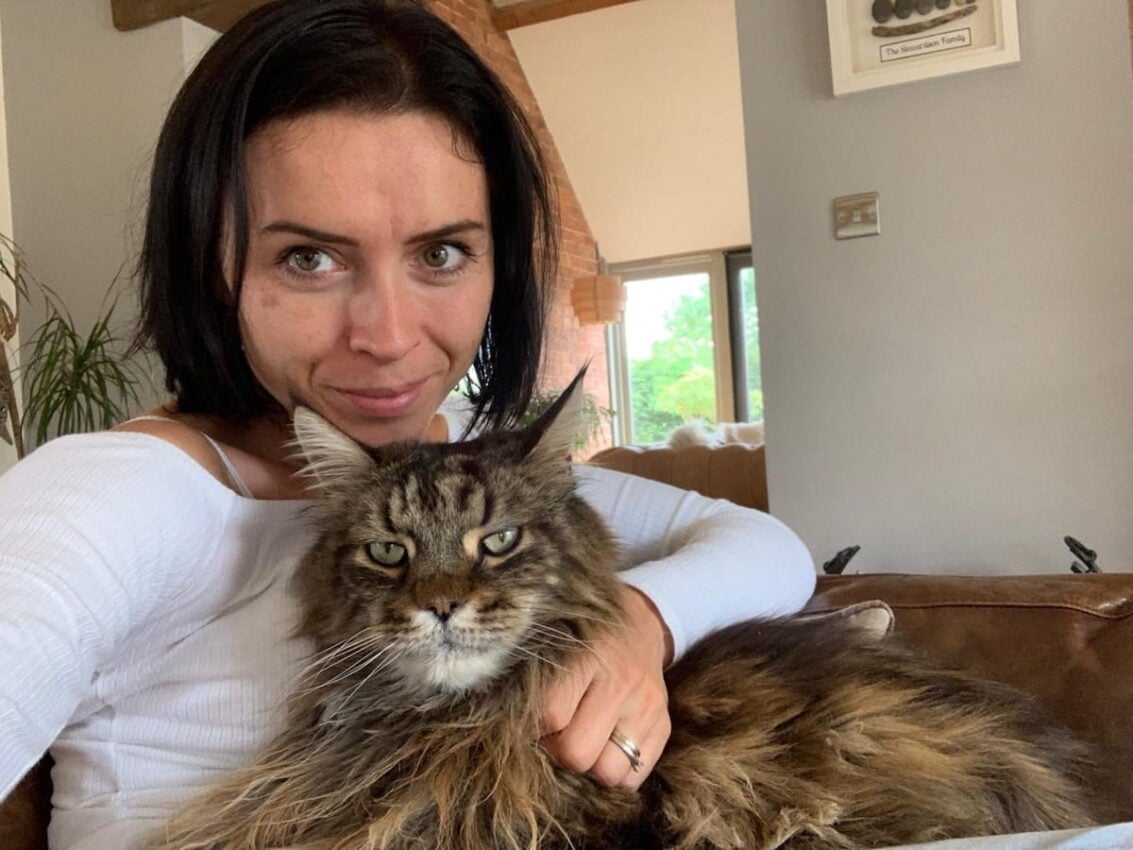
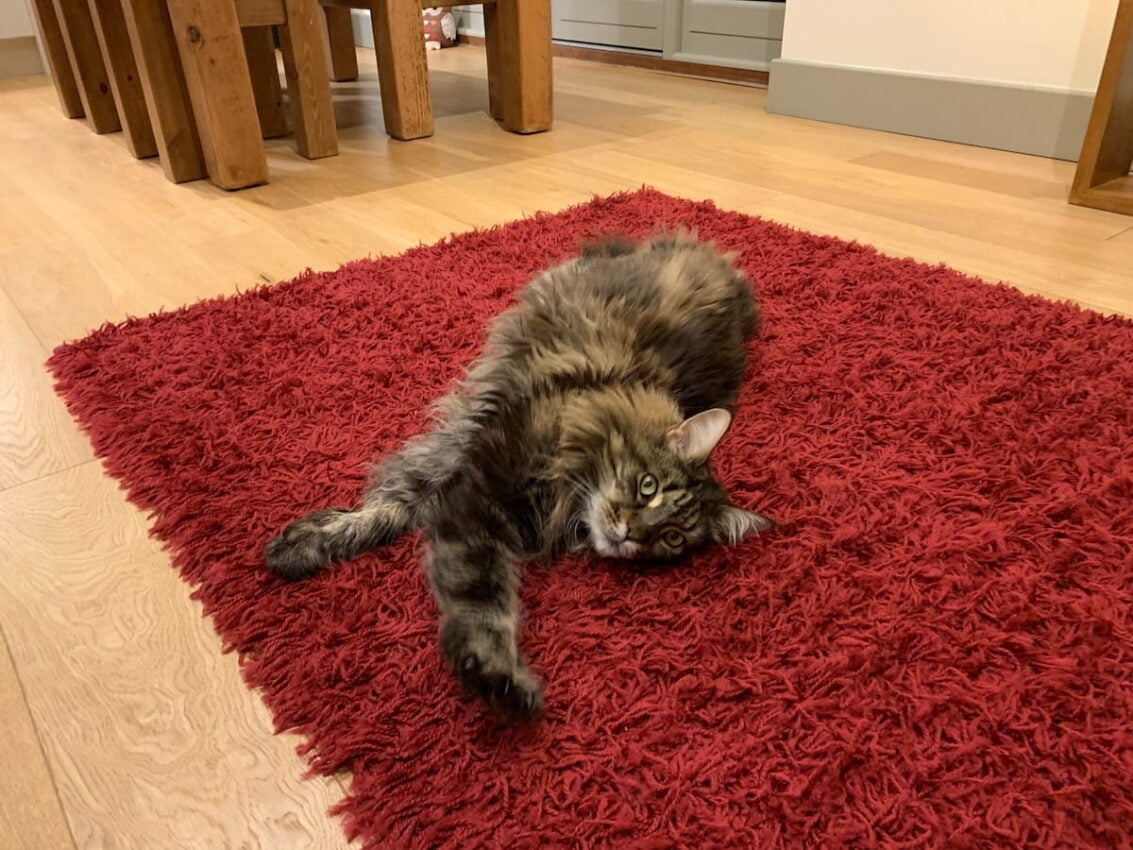
I cannot write about the Maine Coon lifespan as if it is just a statistic, because for me, it is personal. Our Maine Coon, Pippin, lived until 10 years old.
Over time, Pippin developed multiple health issues, including arthritis and mild hip dysplasia. Then one day, we woke up and found that he had developed sudden paralysis in his back end. We strongly suspected hypertrophic cardiomyopathy (HCM) as the underlying cause, although we cannot state that with certainty without a definitive diagnosis.
That experience changed the way I think about lifespan articles. It is easy to write a bland sentence like “Maine Coons live 12 to 15 years,” but such a statement hides the reality owners actually face. A Maine Coon’s lifespan is not just about the final number. It is also about quality of life, mobility, pain control, heart health, and whether the disease appears gradually or hits suddenly.
If you want to understand this breed properly, you have to talk about both sides: the Maine Coons who live long, stable lives into old age, and the Maine Coons whose lifespan is cut short by inherited or age-related disease.
Why Maine Coon Lifespan Varies So Much
There are several reasons Maine Coon lifespan varies more than many new owners expect.
1. Genetics Matter A Lot
Some Maine Coons come from lines that have been carefully screened for inherited disease. Others do not. That matters because the breed is associated with several serious health problems, especially hypertrophic cardiomyopathy, as well as orthopedic conditions such as hip dysplasia.
A cat may look huge, healthy, and powerful on the outside, but inherited disease risk is not always visible during kittenhood.
Related articles:
2. This Is A Large, Slow-Maturing Breed
Maine Coons are among the largest domestic cat breeds, and they mature more slowly than the average cat. They often do not reach full physical maturity until 3 to 5 years of age. That long development window means nutrition, body condition, joint protection, and early health monitoring matter over a longer stretch of life than many owners realise.
3. Body Condition Can Help Or Harm Longevity
A Maine Coon that stays lean and muscular generally has a better chance of maintaining mobility and reducing strain on the joints and heart than a cat that becomes overweight.
Owners often confuse “big” with “healthy,” but excess fat is not the same as correct breed size.
4. Indoor Safety And Preventive Care Matter
Vaccinations, parasite control, dental care, heart monitoring where appropriate, and prompt investigation of symptoms all improve the odds of catching disease earlier. Lifestyle matters too.
Outdoor hazards, untreated illness, chronic obesity, and delayed veterinary care can all shorten lifespan.
What Is A Realistic Maine Coon Lifespan?
If you want the most practical way to think about Maine Coon lifespan, this is it:
- Around 10 years is not unusually old, but it can feel too young when disease strikes.
- 12 to 15 years is a commonly cited lifespan range for the breed.
- Late teens are possible, and clearly do happen in some cats.
- 17+ years is excellent longevity, not a standard expectation.
That is why owners should be cautious about any article that promises a neat, fixed answer. Maine Coon lifespan is better understood as a range shaped by health risks and care quality, not a single guaranteed average.
Biggest Health Issues That Can Shorten A Maine Coon’s Life
Hypertrophic Cardiomyopathy (HCM)
HCM is one of the most important diseases to understand in this breed. It is the most common heart disease in cats, and Maine Coons are one of the breeds with a known genetic association.
According to UCDavis Veterinary Medicine, Cats affected by HCM can experience heart failure, blood clot complications, or sudden death. In some cases, hind limb paralysis can occur because of a clot-related event. This is one reason sudden back-end paralysis in a Maine Coon is taken so seriously.
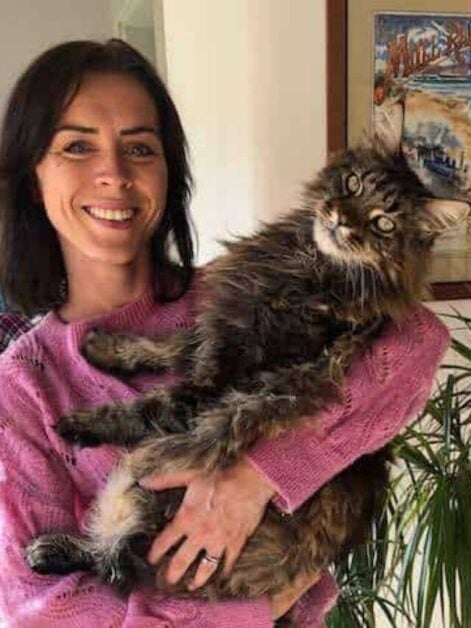
This was one of the reasons we suspected HCM in Pippin when he developed sudden paralysis in his back end. Even when owners know the breed well, these events can be shocking and devastating because they can seem to appear out of nowhere.
Hip Dysplasia And Arthritis
Maine Coons are also known to be at risk of orthopedic problems, including hip dysplasia. Even when these conditions are not immediately life-threatening, they can gradually affect mobility, muscle tone, comfort, and overall quality of life. Chronic pain can change how active a cat remains in midlife and old age, which can then affect weight and secondary health issues.
Obesity
This is one of the most overlooked threats to lifespan in giant breeds. Owners often feel reassured by a Maine Coon’s large frame and thick coat, but excess weight can increase stress on the joints, reduce activity, worsen mobility, and put greater strain on the cardiovascular system.
Dental Disease And Chronic Inflammation
Dental disease is not as dramatic as heart disease, but it can reduce appetite, affect body condition, increase chronic inflammation, and quietly damage quality of life over time. In older cats, especially, oral pain can lead to “ageing faster” simply because the cat stops eating as well as it should.
Signs A Maine Coon May Be Entering Senior Decline
Maine Coons do not all age the same way. Some stay playful and solid into their teens. Others begin to slow down much earlier.
Signs owners should watch closely include:
- Reduced jumping or climbing
- Stiffness after rest
- Weight loss
- Muscle loss along the back or hindquarters
- Poor coat quality
- Faster breathing at rest
- Reduced appetite
- Sudden weakness or paralysis
- Hiding more than usual
- Changes in litter tray habits
These signs do not always mean a cat is near the end of life, but they do mean it is time to look more closely.


How To Help A Maine Coon Live Longer
No article can promise longevity, but owners can absolutely improve the odds of a longer, healthier life.
Keep Your Maine Coon Lean
This is one of the biggest lifespan levers you actually control. A healthy Maine Coon should look large because of frame and muscle, not because of fat. You should be able to feel the ribs under a light fat covering, and there should still be body shape when viewed from above.
Buy From Health-Tested Lines
If you are choosing a kitten, ask about screening for breed-linked disease, especially cardiac issues. Good breeding does not eliminate all risk, but it can reduce it.
Do Not Ignore Breathing Changes Or Collapse-Type Events
HCM and clot-related complications can escalate fast. Changes in resting breathing, faintness, pain, sudden back-leg weakness, or collapse are urgent signs.
Protect Joint Health Early
Large breeds benefit from good weight control, joint-friendly surfaces, sensible exercise, and early attention to stiffness. Waiting until a cat is obviously struggling often means the disease is already advanced.
Prioritise Preventive Vet Care
Regular checkups, dental care, monitoring weight trends, and following up on subtle changes can make a major difference. Many chronic conditions are easier to manage when caught early.
Feed For Muscle, Not Bulk
High-quality protein and appropriate calorie intake matter more than simply feeding “a lot” because the cat is big. Overfeeding does not make a Maine Coon grow better. It just makes future health harder.
Can Maine Coons Live 17 Years Or More?
Yes, some absolutely can.
My own Maine Coon Central YouTube poll is useful here because it reflects real owners rather than generic breed-copy websites. In our poll, 26% of 125 respondents said their Maine Coons lived 17+ years. That is a striking result. It does not prove the average lifespan is 17+, but it does show that long-lived Maine Coons are not rare fantasy cases.
That is important because many lifespan articles accidentally create the impression that Maine Coons are doomed to die young. That is too simplistic.
A better way to say it is this:
Maine Coons have some serious breed-linked health vulnerabilities, but with the right genetics, body condition, care, and luck, some can live a very long time.

Why Some Lifespan Studies Show Lower Numbers
This is where owners can get confused. Some peer-reviewed population studies report lower Maine Coon life expectancy figures than the 12-15 year range often quoted in breed articles. That does not necessarily mean every individual owner should expect a Maine Coon lifespan of under 10 years.
Population-level studies reflect real-world veterinary records, including sick cats, poorly bred cats, cats with limited preventive care, and cats affected by disease earlier in life. Breed club and breed-profile lifespan ranges often reflect what is commonly seen or reasonably expected under good care. Both types of numbers are useful, but they do not measure the same thing.
That is why it is more honest to tell owners the full picture rather than pick one number and pretend it tells the whole story.
The Most Honest Answer To “How Long Do Maine Coons Live?”
Maine Coons often live into their low-to-mid teens, some live well beyond that, and some sadly die younger because of disease.
If you want the single most honest summary, it is this:
A healthy Maine Coon lifespan is usually measured in years of good body condition, mobility, and disease prevention – not just in reaching a certain birthday.
For me, Pippin’s story is a reminder of that. He lived to 10, but what stays with me most is not just his age. It is everything that happened in the years leading up to it: the arthritis, the mild hip dysplasia, his inability to keep his fur clean, and the shock of finding he had suddenly lost function in his back end. That is the real-world side of the Maine Coon lifespan that many articles leave out.
At the same time, our YouTube poll shows the hopeful side, too. Some Maine Coons do live 17+ years. That tells owners there is a real reason to focus on prevention, early action, and quality of care.
FAQ
What is the average lifespan of a Maine Coon cat?
Most commonly cited estimates put the Maine Coon lifespan at around 12 to 15 years, although some sources give a broader range of 9 to 15 years, and individual cats may live longer or shorter lives depending on genetics and health.
Is 10 old for a Maine Coon?
Yes, 10 is a mature age for a Maine Coon, but it is not exceptionally old. Some Maine Coons die around this age because of health issues, while others continue living well into their teens.
Can Maine Coons live 20 years?
It is possible, but uncommon. Some Maine Coons do reach the late teens, and a smaller number may approach 20, especially with excellent genetics, preventive care, and good long-term body condition.
What usually kills Maine Coons?
Important causes include hypertrophic cardiomyopathy, clot-related complications, cancer, kidney disease, and age-related decline. Joint disease may not directly kill a cat, but it can significantly reduce the quality of life and mobility.
Do Maine Coons have shorter lifespans than normal cats?
Some veterinary data suggests Maine Coons may have a lower average life expectancy than the overall cat population, but many still live into the teens. The breed’s known inherited health risks are part of the reason this question is more complex than it looks.
How can I help my Maine Coon live longer?
Keep your cat lean, use a high-quality diet, stay on top of preventive vet care, take breathing or mobility changes seriously, protect joint health, and choose health-tested breeders when getting a kitten.
