
Maine Coon Vaccine Guide: EXACT Shots Your Cat Needs
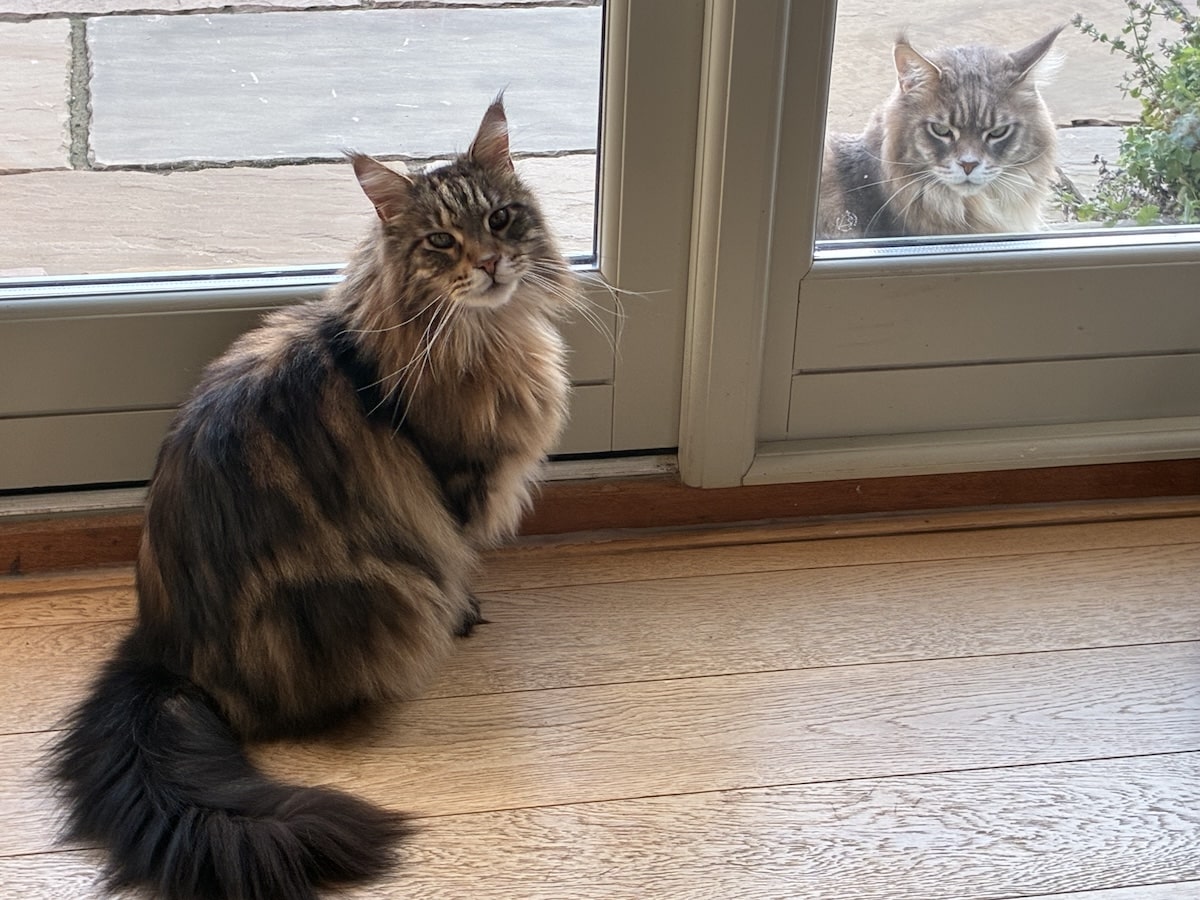
Maine Coons need core vaccines for FVRCP and Rabies, and FeLV for kittens or outdoor cats. Kittens require a 6-16 week series, adults need boosters every 1-3 years, and seniors need annual health-based reviews. Vaccination schedules should be adjusted based on lifestyle and risk exposure.
Vaccinating your Maine Coon is one of the most important steps in protecting your cat from deadly infectious diseases. But many owners feel overwhelmed by conflicting advice online, outdated booster schedules, and vets who follow slightly different protocols.
Additionally, since Maine Coons are a slow-maturing, large breed, owners also ask whether their vaccination timeline should differ from “regular” cats. The truth is:
Maine Coons follow the same medically recognised vaccination guidelines as all domestic cats, but their lifestyle, temperament, and individual health history can significantly influence what vaccines your vet recommends – and how often.
This guide will help you understand exactly which vaccines are necessary, which are optional, which may be overused, and how to work with your vet to create the safest, most effective vaccine plan for your gentle giant.
Quick Answer
Maine Coon vaccine guidance should be based on your cat’s age, health, lifestyle, and exposure risk, not on a one-size-fits-all schedule. Current veterinary guidance recommends core vaccines for cats, while non-core vaccines are chosen according to individual risk factors such as outdoor access, contact with other cats, travel, and local disease exposure.
Why Vaccination Matters For Maine Coons
Vaccines protect Maine Coons from viral infections that are still common in the real world, including deadly illnesses such as panleukopenia and feline leukemia. Long-haired cats can mask early symptoms, making prevention even more important.
Vaccines protect your Maine Coon against:
- Severe viral infections
- Deadly outbreaks (panleukopenia kills within days)
- Long-term illness, like chronic respiratory disease
- Diseases spread at breeders, rescues, grooming salons, and catteries
- Feline leukemia (fatal in 85% of cases)
- Diseases like Rabies
Vaccinated cats live longer, healthier lives with dramatically fewer emergency vet visits.
⭐ What Vaccines Does A Maine Coon Actually Need?
Vaccine organisations such as the AAFP (American Association of Feline Practitioners) and WSAVA (World Small Animal Veterinary Association) classify vaccines into two categories:
- Core vaccines: Essential for ALL cats
- Non-core vaccines: Recommended only based on lifestyle risk
Below is a clear explanation:
Core Vaccines (All Maine Coons Should Receive These)
| Vaccine | Protects Against | Why It’s Essential |
|---|---|---|
| FVRCP | Feline Viral Rhinotracheitis (Herpesvirus), Calicivirus, Panleukopenia | Deadly viruses that spread easily; cause pneumonia, organ failure, and severe GI symptoms. |
| Rabies | Rabies virus Protects against a fatal zoonotic disease | Required by law in many countries; 100% fatal once symptoms appear. Mandatory for travel, boarding, and many breeders |
Non-Core Vaccines (Based On Lifestyle)
| Vaccine | Good For | Notes |
|---|---|---|
| FeLV (Feline Leukemia Virus) | All kittens + adult outdoor cats | Considered core for kittens but optional for indoor adults. |
| Chlamydia felis | Multi-cat homes with recurrent outbreaks | Only needed in high-risk environments. |
| Bordetella | Shelters, catteries | Not routinely needed for pets. |
🐾 Full Maine Coon Vaccine Schedule (Kitten To Senior)
Maine Coon Kitten Vaccine Table
| Age | Vaccine | Notes |
|---|---|---|
| 6-8 weeks | FVRCP | First shot. Begins immunity; maternal antibodies may still interfere. |
| 10-12 weeks | FVRCP | Booster |
| 12 weeks | FeLV | First shot. Strong immune response develops now. |
| 14-16 weeks | FVRCP + FeLV + Rabies | Final booster. Required depending on the region. Final kitten core dose: essential for durable immunity. |
Kittens need multiple boosters because their maternal antibodies interfere with immunity until 14-16 weeks.
Adult Maine Coon Vaccine Schedule (1-7 Years)
| Vaccine | Frequency |
|---|---|
| FVRCP | Every 1-3 years |
| Rabies | 1-3 years, depending on the law |
| FeLV | Annually, ONLY if lifestyle risk persists. Only for outdoor or high-risk cats |
Senior Maine Coon Vaccine Guidance (7+ Years)
Older cats experience declining immunity, so vaccination decisions should be tailored to their individual health.
| Age | Vaccine | Notes |
|---|---|---|
| 7+ years | FVRCP | Usually every 3 years unless health issues |
| 7+ years | Rabies | Per legal requirement |
| 7+ years | FeLV | Only for outdoor cats |
| Every visit | Bloodwork | Check the kidney & liver before vaccination |
Important: Seniors should not be vaccinated while they are actively ill.
Older Maine Coons may have a slower immune response and higher sensitivity. Vets may:
- Use titer testing instead of automatic boosters
- Reduce non-essential vaccines
- Space vaccines further apart
- Avoid vaccinating at the same time as dental cleanings or sedation
Indoor vs Outdoor Maine Coons: Different Vaccine Needs
🐈 Indoor Maine Coons
Need:
- FVRCP
- Rabies (region dependent)
- FeLV only as kittens
🐈⬛ Outdoor Maine Coons
Need:
- FVRCP
- Rabies
- FeLV (annual)
- Possibly Bordetella if visiting groomers or catteries
Outdoor cats face higher risks from:
- Stray cats
- Wildlife
- Cat fights
- Shared bowls in gardens
- Virus particles on the ground
What Happens If You Miss A Vaccine Booster?
Most owners assume they must “start over,” but that is outdated.
✔ For most vaccines:
You simply need one booster, NOT the full series.
✔ But kittens do need a full restart
If the whole early schedule was missed. Always double-check with your vet.
Vaccine Side Effects: What’s Normal Vs Concerning
Normal (24-48 hrs)
- Sleepiness
- Reduced appetite
- Soreness
- Tiny lump at the injection site
Concerning – Contact Vet Immediately
- Persistent vomiting
- Swelling of the face
- Breathing difficulty
- Severe lethargy
- Collapsing
- High fever
Severe reactions are extremely rare (0.1-0.5% of cats).
Why Breed-Specific Vaccine Guidance Matters For Maine Coons
Reasons Maine Coons need a structured vaccine plan:
- Slower immune development than short-haired breeds
- Higher exposure risk due to large size and outdoor curiosity
- Common ownership of multiple pets increases viral circulation
- Long fur masks symptoms of early respiratory illness
- Genetic predispositions (heart issues, immune stress) make prevention even more important
Do Maine Coons Need “Special” Vaccine Schedules?
No, but their lifestyle risk is often higher.
Maine Coons are:
- Adventurous
- Social
- Curious
- Eager to explore
- Often taken on walks or allowed supervised outdoor time
This means diseases like FeLV, panleukopenia, or calicivirus may be encountered more often than in purely indoor cats.
Their size does NOT require different dosing – vaccines are standardised for all cat sizes.
How To Tell If Your Maine Coon Is Having A Vaccine Reaction
Most reactions are mild and temporary:
- Sleepiness
- Mild fever
- Soreness at the injection site
- Reduced appetite
Severe but rare reactions include:
- Facial swelling
- Vomiting
- Collapse
- Breathing difficulty
- Persistent lumps (possible injection-site sarcoma)
Follow the 3-2-1 Rule for lumps:
- Still present after 3 months
- Larger than 2 cm
- Still growing after 1 month
Contact your vet immediately if this happens.
Titer Testing: Vaccine Alternative For Sensitive Cats
Titers measure immunity levels in the blood. This can reduce unnecessary boosters, especially for:
- Senior Maine Coons
- Cats with autoimmune issues
- Cats with prior vaccine reactions
Rabies titers cannot replace legal vaccination, but they provide immune insight.
🏠 Home Hygiene + Lifestyle Risk Checklist
| Lifestyle Factor | Does It Increase Vaccine Needs? | Why |
|---|---|---|
| Outdoor access | Yes | Higher contact with viruses, wildlife, infected cats |
| Multi-cat household | Yes | Increased exposure risk |
| Indoor-only | Usually no | Lower risk, but still need c ore vaccines |
| Shows/travel | Yes | High animal density increases infection risk |
Articles To Review
- Maine Coon Health And Wellness Guide
- Maine Coon Vaccination Schedule
- Maine Coon Diet And Nutrition
- Maine Coon Annual Vet Check Up
- Maine Coon Parasite Control
FAQ
What vaccines do Maine Coons need?
Maine Coons generally need the same core vaccines recommended for other cats. Broader veterinary guidance describes core vaccines as those recommended for all cats, while non-core vaccines are chosen according to lifestyle and exposure risk.
Do indoor Maine Coons still need vaccines?
Yes, indoor Maine Coons still usually need core vaccines. Current feline vaccination guidance stresses that core vaccines are recommended for cats generally, while non-core vaccines are added only when risk factors make them appropriate.
Are Maine Coon vaccines different from normal cat vaccines?
No, Maine Coon vaccines are not usually different from those given to other cats. The key difference is not breed but the individual cat’s age, lifestyle, environment, and health status.
What are the core vaccines for cats?
Core vaccines are the vaccines generally recommended for all cats. Feline vaccination guidance commonly places FPV, FHV-1, FCV, and, where relevant by law or public-health need, rabies in this category.
What are non-core vaccines for Maine Coons?
Non-core vaccines are vaccines given only when a cat’s risk makes them appropriate. Veterinary guidance says these decisions should be based on factors such as outdoor access, contact with other cats, travel, and local disease prevalence.
Do all kittens need FeLV vaccination?
Guidance from feline veterinary sources recommends FeLV vaccination for all kittens, while treating it as non-core later unless the cat remains at risk of exposure.
Does my Maine Coon need the FeLV vaccine if it stays indoors?
Possibly not long-term, but it depends on risk. Feline guidance considers FeLV non-core after the one-year booster unless the cat remains exposed to risk factors such as outdoor access, unknown-status cats, or multi-cat environments.
How often should a Maine Coon be vaccinated?
Vaccination frequency depends on the vaccine type, your cat’s age, and risk profile. Current guidance emphasizes vaccinating as often as necessary but not more frequently than needed, with core and non-core schedules tailored to the individual cat.
Do older Maine Coons still need vaccinations?
Yes, some do. Senior cats are not automatically exempt from vaccination, but decisions should be individualized based on health, lifestyle, and exposure risk. Current feline guidance emphasizes risk-based planning rather than a blanket schedule for every cat.
Are vaccine boosters always annual for Maine Coons?
Not always. Current veterinary guidance no longer treats every cat vaccine as an automatic yearly requirement; booster frequency depends on the product used, the vaccine type, and your cat’s specific risk profile.
Can Maine Coons have vaccine reactions?
Yes, like any cat, Maine Coons can have vaccine reactions, although most vaccinations are routine and uneventful. Owners should always discuss previous reactions, health problems, and current symptoms with their vet before vaccination. This is a general clinical precaution, and individualized assessment is emphasized in feline vaccine guidance. (Source ).
What is the safest vaccine schedule for a Maine Coon?
The safest vaccine schedule is one tailored by your vet to your Maine Coon’s age, medical history, environment, and exposure risk. Current guidelines emphasize individualized vaccination plans rather than a universal one-size-fits-all approach. (Source 1,2).
