
Maine Coon Vomiting: Normal Grooming Or Serious GI Emergency? Vets Reveal Warning Signs!
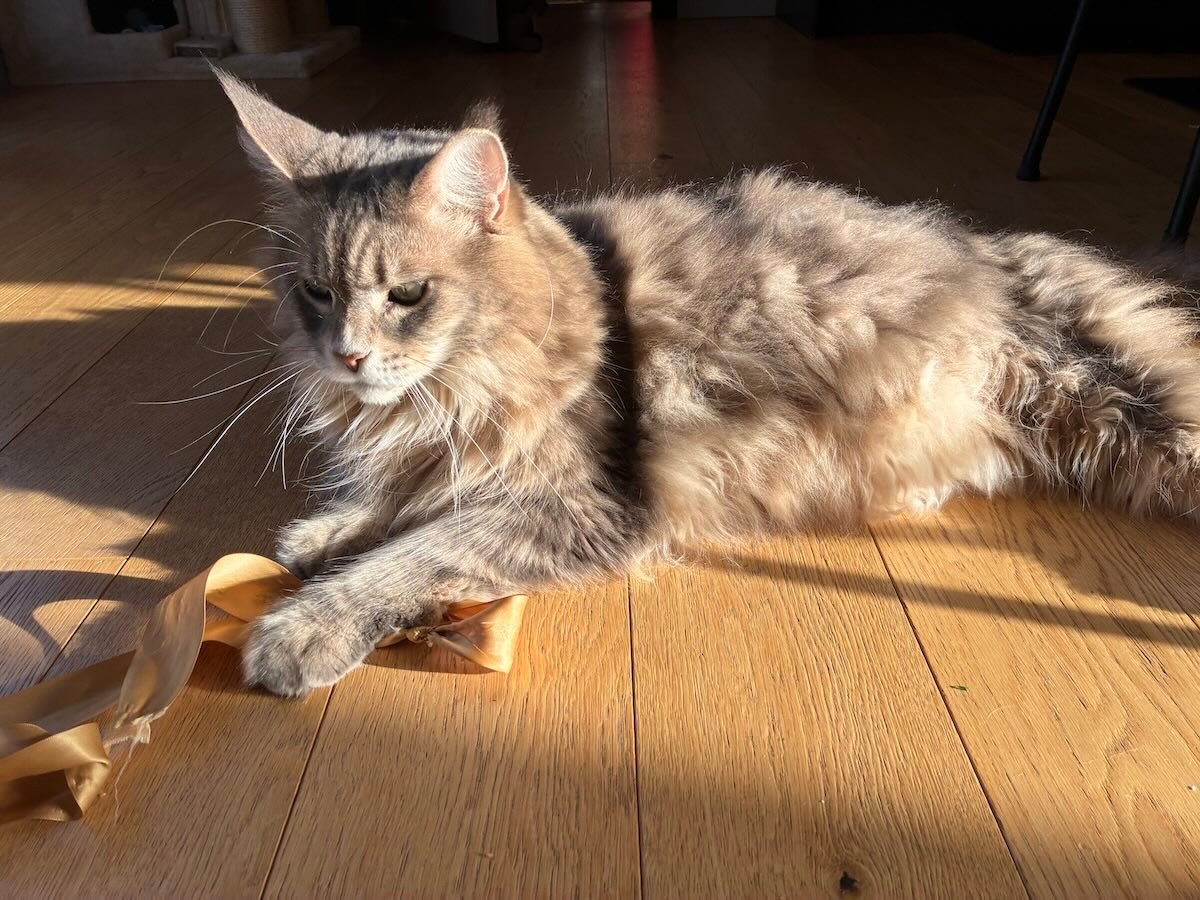
It’s not unusual to see a Maine Coon cough up a hairball or regurgitate after a big meal. With their long fur, fast appetites, and curious nature, these cats sometimes vomit without it meaning more than a bit of fur, a hairball, or a temporary upset stomach.
But because Maine Coons can mask discomfort so well, and because their size sometimes hides subtle symptoms, occasional vomiting might be nothing…
On the other hand, repeated or severe vomiting can signal serious gastrointestinal (GI) problems that need urgent veterinary care.
This article helps you understand when vomiting is likely harmless, what counts as a red-flag GI issue, and how to spot signs early so you can protect your cat’s health before small problems become dangerous.
Quick Answer
Occasional vomiting in a Maine Coon can sometimes happen because of hairballs, eating too fast, diet changes, or mild stomach upset. But repeated vomiting, vomiting with weight loss, diarrhoea, poor appetite, lethargy, blood, or changes lasting more than a short time can point to a broader gastrointestinal problem rather than a simple isolated episode. In cats, chronic vomiting, chronic diarrhoea, and weight loss are not considered normal and should be assessed by a veterinarian.
When Vomiting Is Usually Routine (And Not A Medical Emergency)
Maine Coons commonly vomit for fairly harmless reasons. Frequent but mild vomiting can occur without serious consequences, especially if your cat behaves normally otherwise.
Common benign causes include:
Hairballs And Shedding
Because of their dense, long fur, Maine Coons inevitably swallow hair while grooming. Occasionally, their digestive tract rejects a hairball through vomiting. The result is usually a cylindrical clump of fur, not digestible food or bile, and the cat acts normally both before and after.
Eating Too Quickly Or Overeating
These cats are often enthusiastic eaters. If they gulp food too rapidly, they may vomit undigested kibble or food bits soon after a meal. That kind of vomiting tends to be brief, with the vomit looking like food (not bile or blood), and is often a one-off rather than repeated.
Mild Stomach Upset After A Food Change Or Treats
Sometimes diet changes, new treats, or small dietary indiscretions (e.g., table scraps) temporarily upset a cat’s stomach. Light vomiting under those conditions can be normal, as long as it resolves quickly (within 12-24 hours), and there are no other symptoms like diarrhea or lethargy.
Stress Or Environmental
Just like humans, cats can react to stress. A move, new pets at home, visitors, or loud renovations might upset their digestion temporarily. A single or occasional vomit under stress, with the cat otherwise acting normal, can be considered benign.
If vomiting under these circumstances happens infrequently, the cat remains bright, active, and eating normally, and the vomit is clearly hair or undigested food, you can usually treat it as a harmless incident.
That said, keep a record. Note the date, what happened before vomiting (meal, grooming, stress), what the vomit looked like, and how the cat behaves afterward. That will help you and your vet notice patterns if problems develop.
If you’re interested in understanding the causes of feline stress and how to calm your cat safely, read our guide on Stressed Maine Coon Cats.
When Vomiting Is A Red Flag: Dangerous GI Issues That Need Vet Attention
Because Maine Coons are large and stoic, serious GI problems often escalate before being obvious. The following signs, particularly if they happen more than once, could indicate a life-threatening condition:
- Repeated vomiting over hours or days: Especially if food, bile (yellow or green fluid), or foam comes up instead of just hair or fur.
- Blood in vomit: Either appearing as red flecks, coffee-ground material, or dark brown fluid (possible digested blood).
- Vomiting and diarrhea: Persistent simultaneous vomiting and diarrhea often imply a serious infection, inflammation, or toxicity.
- Inappetence and rapid weight loss: If your Maine Coon refuses to eat for more than 24 hours or loses appetite and fluid intake significantly.
- Lethargy, weakness, or collapse: These could be signs of dehydration, internal bleeding, or organ failure.
- Abdominal pain or distension: If your cat’s belly feels hard, bloated, or painful when touched.
- Straining without producing vomit or stool: Could indicate a blockage or intestinal obstruction.
- Recurring vomiting after eating foreign objects (strings, ribbons, threads, fabrics, plastic): High risk of intestinal blockage.
- Persistent regurgitation (liquid or undigested food) shortly after eating: May signal oesophageal or GI tract disease rather than simple hairball/speed-eating issues.
If you observe any of these symptoms, you should contact your vet immediately. These signs can indicate dangerous conditions like:
- Internal blockages (foreign bodies, string ingestion)
- Intestinal torsion or obstruction
- Pancreatitis
- Inflammatory Bowel Disease (IBD) / chronic GI inflammation
- Gastroenteritis or infectious disease
- Organ disease (liver, kidneys) causing nausea and vomiting
- Parasite infestation (worms, parasites)
Delaying veterinary attention can turn a treatable problem into a life-threatening crisis, especially in a heavy, long-haired breed like the Maine Coon.
Common GI Problems In Maine Coons
Here are several of the GI conditions that most often cause dangerous vomiting, how they develop, and what to watch for:
- Intestinal obstruction (foreign body): Maine Coons are playful, curious, and may chew or swallow strings, toys, ribbons, bits of cloth, or other non-food items. If swallowed items block the intestines, food and water cannot pass, leading to repeated vomiting, dehydration, lethargy, and eventually organ failure.
- Pancreatitis: Inflammation of the pancreas can be triggered by diet, high-fat ingestion, toxins, or unknown triggers. Symptoms often include repeated vomiting, bile or foam vomiting, loss of appetite, abdominal pain, and lethargy. Middle-aged to older Maine Coons appear more vulnerable.
- Inflammatory Bowel Disease (IBD): Chronic inflammation of the intestines, often due to food sensitivities, stress, or immune issues. Signs include recurring vomiting, soft or irregular stools, weight loss, and dull coat.
- Gastroenteritis or infections: Bacterial, viral, or parasitic infections can cause sudden vomiting and diarrhea. Untreated, these can cause severe dehydration and blood loss, especially in large cats.
- Kidney or liver disease: Organ issues often show gastrointestinal symptoms first in cats. Vomiting, poor appetite, and lethargy can all indicate serious internal problems.
- Food allergies or intolerances: Some Maine Coons develop sensitivities to certain proteins or ingredients. Symptoms may include vomiting, diarrhea, skin problems, or chronic GI upset when the problematic ingredient is consumed.
Because Maine Coons often live many years and may develop any of these conditions at mid-age or older, ongoing veterinary monitoring is vital, especially if unexplained vomiting arises.
What You Can Do At Home: Preventive And Supportive Measures
You don’t need to sit helplessly; there are practical steps you can take to reduce GI risk and respond wisely if vomiting happens:
- Groom regularly, especially during shedding seasons – daily brushing reduces hair ingestion and hairball formation.
- Feed smaller, frequent meals, and avoid free-feeding large portions. This reduces the risk of overeating or eating too fast, which can trigger regurgitation.
- Use slow-feeder bowls or puzzle feeders, especially if your Maine Coon tends to gobble food quickly.
- Introduce diet changes gradually – whenever trying a new brand or flavour, transition over 7-10 days to avoid sudden GI shock.
- Provide high-quality, easily digestible food, ideally with moderate fat and no excessive filler ingredients. This helps reduce the chances of GI irritation or pancreatitis.
- Offer plenty of hydration – wet food, fresh water, multiple water bowls or fountains, especially if your cat tends to eat dry food only.
- Pet-proof your home to reduce ingestion risk: hide strings, ribbons, small toys, elastic bands, and any other items a curious cat might swallow.
- Observe after each vomit episode: check the vomit’s appearance (hair/fur, food, bile, or blood), monitor general behaviour (appetite, energy, litter habits), and note how often vomiting recurs.
MY EXPERIENCE: Our largest Maine Coon cat, Mika, is the classic fast eater that consumes at a pace and then vomits. We adopted him at 4 years old, so we are unsure if food was limited when he was young. What we do know, however, is that he gobbles down food as if his life depended on it! If I find a pile of kibble partially digested, I’m 99% sure it’s Mika’s! Pretty gross, but he’s always done it despite there being plenty of food for him and his brother.
When To See Your Vet (Urgent & Routine)
Visit Immediately If:
- Vomiting repeats more than twice in 12-24 hours
- Vomit contains blood, bile, or is foamy green/ yellow
- Your Maine Coon refuses to eat or drink for 24 hours + is lethargic
- You suspect ingestion of a foreign object, string, fabric, plastic, or bone
- Abdominal pain, swelling, or distension
- Vomiting plus diarrhea, weakness, or pale gums
Routine Vet Checkups Should Include:
- Annual or bi-annual physical exam (especially for middle-aged and older Maine Coons)
- Monitoring weight, body condition, coat condition, and appetite
- Discussion of diet, feeding habits, and hairball prevention
- Early GI screening (bloodwork, parasite check, kidney/liver panel) if your cat vomits more than once in 6-12 months
What Vomit Colour Means
| Vomit Colour | Possible Cause | Severity |
|---|---|---|
| Yellow/Green (bile) | Empty stomach, GI irritation, pancreatitis | Moderate–High |
| White foam | Gastritis, empty stomach | Moderate |
| Clear liquid | Regurgitation, esophageal issues | Low–Moderate |
| Brown vomit | Intestinal blockage, blood | HIGH |
| Red/Bloody | Ulcers, trauma, severe disease | EMERGENCY |
| Food chunks | Ate too fast, mild gastritis | Low |
Final Thoughts
Vomiting in a Maine Coon by itself is not always a sign of trouble. In many cases, it’s a simple hairball, fast eating, or temporary upset. But because Maine Coons are big, long-haired, and sometimes slow to show signs of illness, it’s vital to watch carefully:
- Frequency
- Vomit appearance
- Appetite
- Energy levels
- Overall behaviour
When in doubt, err on the side of caution and call your vet. Early detection and treatment of GI issues can make the difference between a quick recovery and a severe medical crisis.
A little vigilance, good grooming, a safe home, and thoughtful feeding often avoid problems before they start. But when something seems off, trust your instincts. Your Maine Coon depends on you.
Take A Look!
FAQ Section
Is vomiting the same as a gastrointestinal issue in Maine Coons?
No. Vomiting is a symptom, while a gastrointestinal issue is a broader problem affecting the stomach or intestines. A Maine Coon may vomit from a simple short-term upset, but repeated vomiting can also be part of a larger digestive disorder.
When is Maine Coon vomiting more serious than a simple upset stomach?
Vomiting becomes more concerning when it happens repeatedly, occurs more than once a week, or is linked with lethargy, reduced appetite, blood, weight loss, increased thirst, urination changes, or diarrhoea. Those signs mean your cat should be assessed promptly.
What symptoms suggest a true gastrointestinal problem instead of simple vomiting?
Signs that suggest a broader gastrointestinal problem include chronic vomiting, chronic diarrhoea, weight loss, poor appetite, lethargy, bloody stool, dehydration, and ongoing changes in body condition. Chronic enteropathies in cats are characterized by GI signs that last 3 weeks or longer.
Can a Maine Coon vomit without having a serious illness?
Yes. Some cats vomit occasionally because of hairballs, eating too fast, dietary indiscretion, or mild stomach irritation. But persistent vomiting should not be dismissed as normal.
How often is too often for a Maine Coon to vomit?
Occasional vomiting may happen, but Cornell notes that cats vomiting more frequently than once per week should be evaluated by a veterinarian, especially if other symptoms are present.
Can chronic vomiting in Maine Coons mean inflammatory bowel disease?
Yes, it can. Cornell notes that common signs of feline inflammatory bowel disease include vomiting, weight loss, diarrhoea, bloody stools, lethargy, and decreased appetite, and chronic vomiting can be more likely when inflammation affects the stomach or upper small intestine.
Can a Maine Coon have a gastrointestinal issue without diarrhoea?
Yes. Some cats with digestive disease mainly show vomiting, poor appetite, or weight loss rather than diarrhoea. Chronic vomiting alone can still point to a significant underlying disease.
What conditions can cause vomiting in a Maine Coon besides stomach problems?
Vomiting can also be caused by kidney or liver disease, pancreatitis, nervous system disorders, toxins, parasites, or intestinal obstruction, not just stomach irritation. That is why repeated vomiting should not be assumed to be “just a sensitive stomach.”
Could a hairball be mistaken for a gastrointestinal issue?
Yes. Hairballs can cause vomiting, but Cornell also warns that a large clump of ingested hair can block the intestinal tract and become dangerous. Repeated hairball-style vomiting should not automatically be treated as harmless.
When should I worry about my Maine Coon’s vomiting?
You should worry if vomiting is frequent, persistent, paired with diarrhoea, blood, poor appetite, weight loss, lethargy, abdominal pain, dehydration, or breathing/weakness changes. Those signs deserve veterinary advice promptly.
What does chronic vomiting mean in cats?
Chronic vomiting generally means intermittent or persistent vomiting that continues over time. Merck notes chronic gastritis should be considered when vomiting lasts more than 1 to 2 weeks and cannot be explained by simpler causes, while chronic enteropathies involve GI signs lasting 3 weeks or longer.
Should I take my Maine Coon to the vet for vomiting?
Yes, if vomiting is repeated, worsening, or accompanied by other symptoms. Chronic vomiting, chronic diarrhoea, and weight loss are not considered normal in cats and are often linked to underlying disease.
