How To Stop Maine Coons Tracking Litter Everywhere: Best Fixes That Work
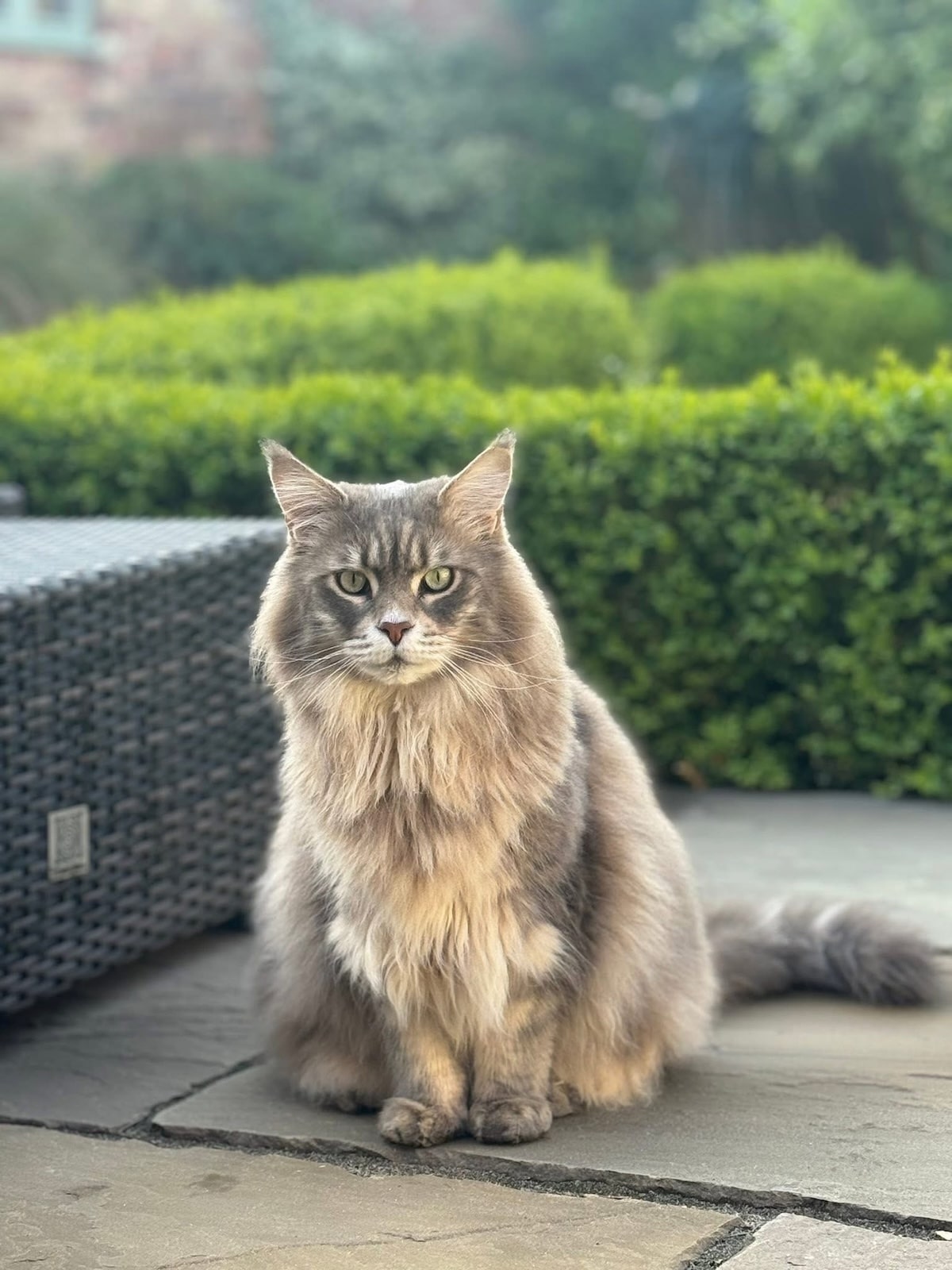
Maine Coons are famously large, confident, and active cats with extra-large paws, long toe tufts, and an energetic digging habit, which means they naturally scatter and track more litter than most domestic breeds.
Owners often describe finding litter on sofas, stairs, bedding, kitchen counters, and places their cat wasn’t even near – because these magnificent cats have a habit of flicking tiny grains across the room and carrying them effortlessly between their toes.
The good news is that you can stop Maine Coon litter tracking, but only when you use a series of strategies designed specifically for a giant breed with oversized paws.
This guide explains why Maine Coons track litter, the exact methods that prevent it, and how to create a complete anti-tracking system in your home using the right tray, litter type, mats, grooming approach, and environmental setup.
Quick Answer
To stop a Maine Coon tracking litter everywhere, focus on the things that make the biggest difference: a large litter tray, the right depth of litter, a suitable litter texture, a litter mat, and tray placement in an easy-to-clean area. Because Maine Coons are big cats with large paws and long fur, they often carry more litter than smaller breeds, so reducing tracking usually means improving the litter setup rather than expecting it to stop completely. Cats generally prefer around 3 cm of litter, and litter trays should be large enough for the cat to turn comfortably inside.
Why Do Maine Coons Track So Much Litter?
Maine Coons track more litter due to their physical build and their instinctive behavior. Understanding this is essential if you want long-lasting results rather than quick fixes that fail after a week.
🔹 Their paws are significantly larger and wider than the average cat’s
These large, cushioned paws act like natural “shovels,” picking up more litter even when walking normally. The wide spacing around the toes provides more opportunities for tiny granules to get trapped.
Their lynx-like toe tufts further trap particles like Velcro.
🔹 They dig more enthusiastically and deeply
Maine Coons dig both before and after toileting, often far more than other breeds, which sends lighter litter flying in all directions unless the tray is oversized and high-sided.
🔹 Regular litter trays are far too small for them
When a Maine Coon can’t turn or dig comfortably, they become frantic in their movements, escalating scatter and litter spray across a wider radius.
🔹 Lightweight litter sticks easily
Cheap or dusty litters cling to paw fur, creating a “sticky” surface that carries particles all over the home.
🔹 They leave the tray with speed
Many Maine Coons have a habit of bounding out of the litter tray proudly, unintentionally throwing even more litter behind them.
13 Most Effective Ways To Stop Maine Coon Litter Tracking
These strategies work even for giant male Maine Coons, extreme diggers, multi-cat households, and kittens learning toileting behaviours.
1. Upgrade To An Extra-Large, High-Sided Litter Tray
A properly sized tray is the most important step. If your Maine Coon’s body or tail brushes the sides, the tray is too small.
✔ Ideal dimensions:
- Length: 30-32 inches
- Width: 18-22 inches
- Height: 10-12 inches
These dimensions allow for:
- Full body extension
- Comfortable turning
- Natural deep digging
- Reduced frantic scratching
- Significantly less litter flick
High sides stop 70% of the scatter created by digging.
👉 Take a look:
Best Litter Trays for Maine Coons
Maine Coon Litter Care Hub
2. Use Multiple XXL Litter Mats
Most owners use small mats that trap almost nothing. Maine Coons require a runway!!
✔ Best setup:
- Place one giant honeycomb mat directly in front of the tray.
- Add a second mat extending outward.
- Add a third for extreme scatterers.
The goal is to get your cat to step on three textured surfaces before reaching soft flooring.
Why this works:
Each step shakes off litter, and the honeycomb structure allows particles to fall through to the bottom layer instead of sticking to paws.
Best Anti-Tracking Litter Mats
| Product | Size | Material | Best For | Why It Works for Maine Coons |
|---|---|---|---|---|
| iPrimio XL Cat Litter Trapper Mat (View on Amazon) | 32 × 24 in | EVA honeycomb | Heavy tracking | Extremely large surface + deep dual-layer holes trap fine particles |
| Gorilla Grip Oversized Cat Mat (View on Amazon) | 47 × 35 in | Deep-groove PVC | Extreme diggers | Strong traction grates scrape litter off paws effectively |
| WePet Jumbo Cat Litter Mat (View on Amazon) | 45 × 35 in | EVA + mesh | Long-haired Maine Coons | Excellent for trapping litter caught in toe tufts |
3. Switch To Heavier, Low-Dust Litter
Heavier litter falls off paws more easily.
Ideal litter characteristics:
- Unscented
- Low dust
- Medium to large granule size
- Clumping
- Non-static
Lightweight litter is the #1 cause of tracking because it sticks to fur and breaks down into tiny particles.
4. Keep Litter Deep: 3-4 Inches Minimum
Maine Coons dig twice as deeply as smaller cats, so they need more litter to dig comfortably.
Benefits of deeper litter:
- Reduces frantic digging
- Reduces litter spray
- Reduces paw contact with the tray floor
- Decreases “paw shake” behaviour that sends litter flying
5. Trim Toe Tufts Very Slightly (If Tracking Is Extreme)
Tufts are beautiful, but act like hooks for litter.
✔ How to trim safely:
- Use round-tip pet scissors
- Trim 2-3 mm only
- Never remove tufts entirely
- Never use clippers
This doesn’t affect their appearance but stops most litter from embedding in the fur.
👉 Take a look: How to Keep a Maine Coon Clean
6. Move The Litter Tray To A Hard-Floored Area
Carpets are the worst place for a litter tray because particles embed into fibres.
Better choices:
- Tile bathrooms
- Laminate floors
- Hardwood
- Vinyl flooring
This won’t eliminate tracking, but it reduces the spread dramatically.
7. Use A Top-Entry Litter Box For Extreme Diggers
Top-entry trays work for some Maine Coons who tolerate enclosed spaces.
Pros:
- Litter drops off paws as the cat climbs out
- Excellent for high kickers
- Prevents dogs or toddlers from accessing litter
Cons:
- Not ideal for senior cats
- Not ideal for large cats with mobility issues
- Some Maine Coons refuse enclosed spaces
8. Place The Tray Inside A Litter Box Enclosure
These modern, furniture-style enclosures act as litter containment systems.
Inside the enclosure:
- Place a large mat
- Then the tray
- Then another mat outside the entrance
This contains 80-90% of scatter.
9. Switch To A Stainless Steel Litter Tray
Stainless steel reduces litter adhesion because it does not create static electricity like plastic trays.
Benefits:
- Less static cling
- Less odour
- Less residue
- Very easy to clean
- Lasts forever
Perfect for homes wanting premium hygiene.
10. Vacuum Around The Litter Area Daily
A 30-second vacuum prevents litter from accumulating and being transferred around the home.
Use:
- A handheld vacuum
- A robot vacuum set to clean twice daily
- A dustpan for quick spot cleaning
Maine Coons respond extremely well to clean environments.
11. Check For Underlying Stress Behaviours
Stress = excessive digging = more tracking.
Triggers:
- Tension between cats
- Dirty trays
- Sudden routine changes
- Noise
- Moving home
👉 Take a look:
Maine Coon Separation Anxiety
Why Is My Maine Coon So Scared?
12. Ensure The Tray Is Not Too Small
A large Maine Coon in a small tray is guaranteed to:
- Dig frantically
- Kick litter everywhere
- Exit too quickly
- Scrape the sides repeatedly
Size is the single biggest factor that owners underestimate.
13. Use An Entrance Lip Shield Or A Raised Lip Tray
Modern XL trays feature curved entrance lips designed to catch litter as your cat walks out. This small design tweak makes a huge difference.
⭐ Quick-Fix Table For Fast Results
| Problem | Fastest Fix |
|---|---|
| Litter stuck in paws | Heavy litter + honeycomb mats |
| Litter thrown from the tray | High-sided XL tray |
| Tracking into bedrooms | 2–3 mats in a row |
| Litter stuck in tufts | Slight trimming |
| Scatter near the carpet | Move the tray to a hard floor |
| Static-cling tracking | Switch to a stainless steel tray |
FAQ
Why do Maine Coons track so much litter?
Maine Coons often track more litter because they have large paws, long fur around the feet, and a bigger stride than smaller cats. As they leave the tray, loose litter can cling to the paws and fur more easily, so some tracking is common even with a good setup.
Can the litter tray size affect how much litter a Maine Coon tracks?
Yes. A tray that is too small can make a Maine Coon step in its own waste, scatter litter over the edges, and exit awkwardly. iCatCare advises that a litter tray should ideally be about one and a half times the length of the cat from nose to base of tail.
How deep should litter be to reduce tracking?
Cats Protection says many cats prefer around 3 cm of litter. Too much litter can increase scatter and sticking, while too little may make the tray less comfortable to use.
Does the type of litter affect litter tracking?
Yes. Litter texture and particle size can influence how much sticks to the paws and fur. Some cats prefer a sandy texture, but finer litter may track more easily in long-haired breeds, so finding the best balance often takes a bit of trial and error.
Will a litter mat help stop Maine Coon litter tracking?
Yes, often. A litter mat can catch some of the loose litter as your Maine Coon steps out of the tray, especially if it is large enough to cover the exit area well. Cats Protection also recommends putting the tray on an easy-to-clean surface or a protective mat.
Where should I put the litter tray to make tracking easier to manage?
Put it somewhere quiet and private that also has flooring that is easy to sweep or wipe clean. Hard flooring is usually easier to manage than thick carpet when tracking is a problem. Cats Protection specifically suggests placing the tray somewhere practical to clean.
Can long fur on a Maine Coon’s paws make litter tracking worse?
Yes. Long fur between the toes and around the paws can trap more litter, especially after digging. This is one reason Maine Coons often track more than short-haired cats.
Would covered litter trays stop litter tracking?
Sometimes they reduce scatter, but they do not always solve tracking from the paws themselves. Also, some cats dislike covered trays, so a covered box is only worth using if your Maine Coon is comfortable with it.
How many litter trays should a Maine Coon have?
The common rule is one litter tray per cat, plus one extra, with trays placed in different locations rather than all together. This advice is widely recommended in feline welfare guidance and can also reduce other litter box problems.
Should I change litter completely if my Maine Coon tracks it everywhere?
Not always straight away. First try improving tray size, litter depth, and adding a mat. If tracking is still excessive, then it may be worth testing a different litter texture gradually, because sudden litter changes can put some cats off using the tray.
Can dirty litter trays make tracking worse?
Yes. If the tray is dirty, cats may dig more, step awkwardly, or carry more soiled litter out with them. Cats Protection advises cleaning trays regularly and removing waste at least daily.
Is it realistic to stop litter tracking completely?
Usually not completely. With a Maine Coon, the aim is normally to reduce litter tracking as much as possible rather than expect zero litter outside the tray. Their size, paw shape, and coat make some tracking very normal.
⭐ Check out these articles:
You should take a look at: