
Maine Coon Diet & Nutrition Guide: What To Feed, How Much, And Full Feeding Routine
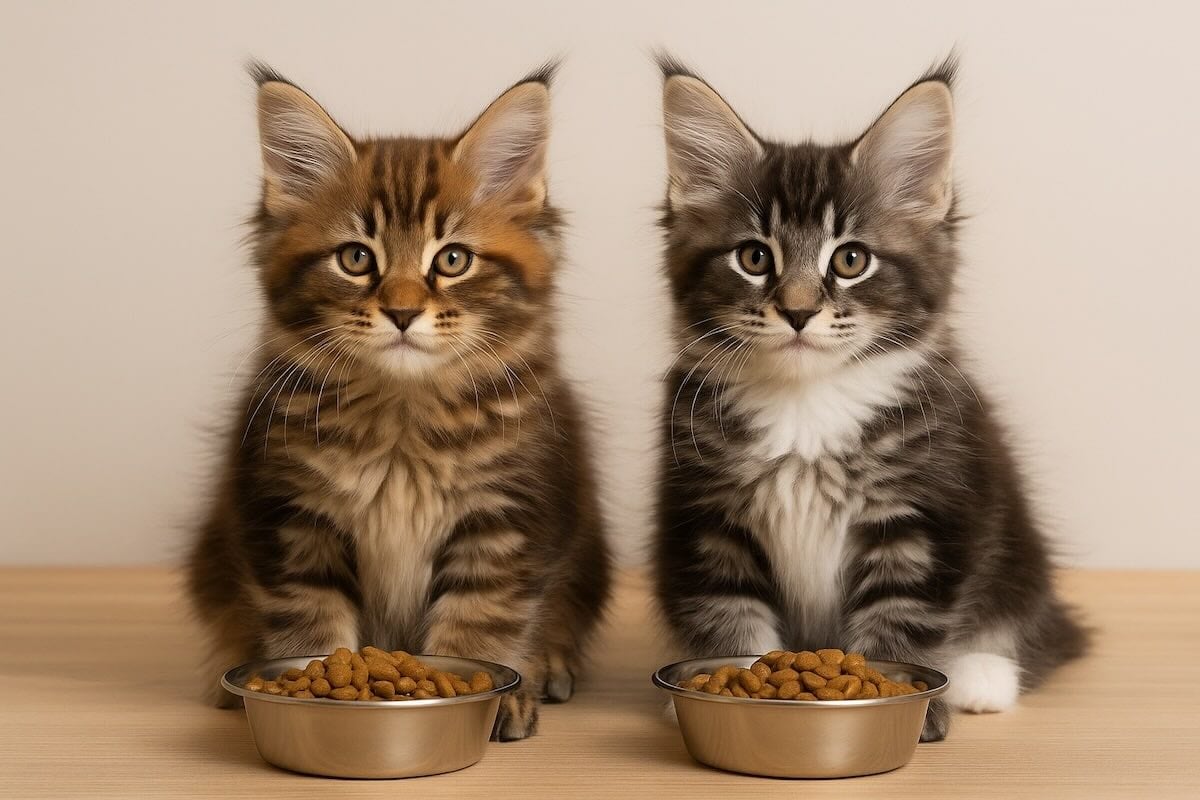
Feeding a Maine Coon correctly is one of the most important parts of keeping the breed healthy, strong, lean, and long-lived.
Maine Coons have unique nutritional needs due to their large size, slow growth, high muscle mass, and active temperament, so their diet requires more consideration than that of an average house cat.
This hub brings together everything owners need to know in one place:
- Ideal food types
- Feeding amounts
- Portion sizes
- Kitten vs adult diets
- Weight management
- Hydration
- Supplements
- Troubleshooting common food-related issues
Every section links to in-depth Maine Coon Central articles for owners who want a more in-depth look.
This page explains what to feed and how to structure a Maine Coon’s diet. For exact calorie targets and daily portion sizes, use the full feeding amounts guide here:
How Much Do Maine Coon Cats Eat? (Daily Calories, Portions, And Feeding By Age).
Real-World Feeding Experience With Our Maine Coons
Over the years, we’ve trialled a wide range of cat foods with our Maine Coons, and one thing became very clear very quickly: feeding advice on paper rarely reflects real life.
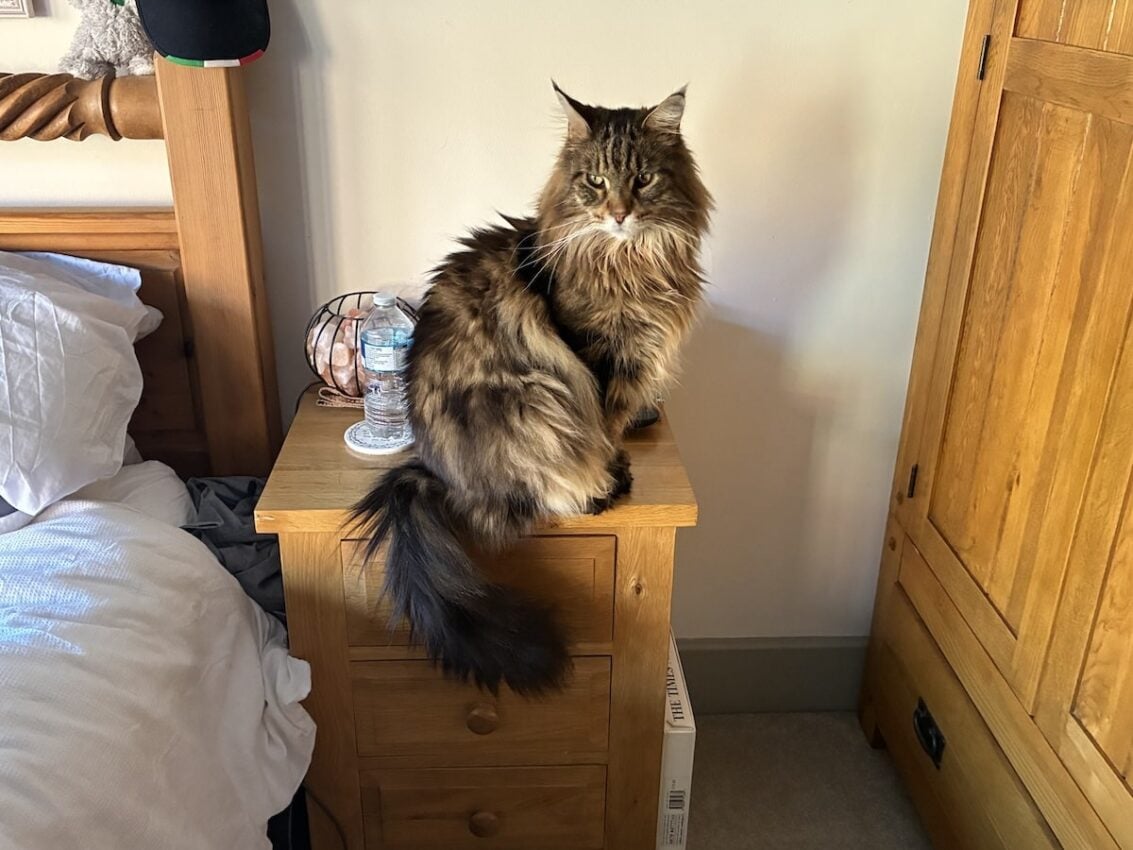
We’ve owned three Maine Coons – Pippin, Mika, and Bali, and each had very different eating habits and sensitivities.
Pippin was not especially fussy. He happily ate a wide range of foods and showed a strong interest in human food. He loved chicken and would routinely wait nearby while the children ate, knowing something would eventually be dropped!
On one occasion, he even managed to steal chicken tikka masala from them – not recommended, but a reminder of how food-motivated he was.

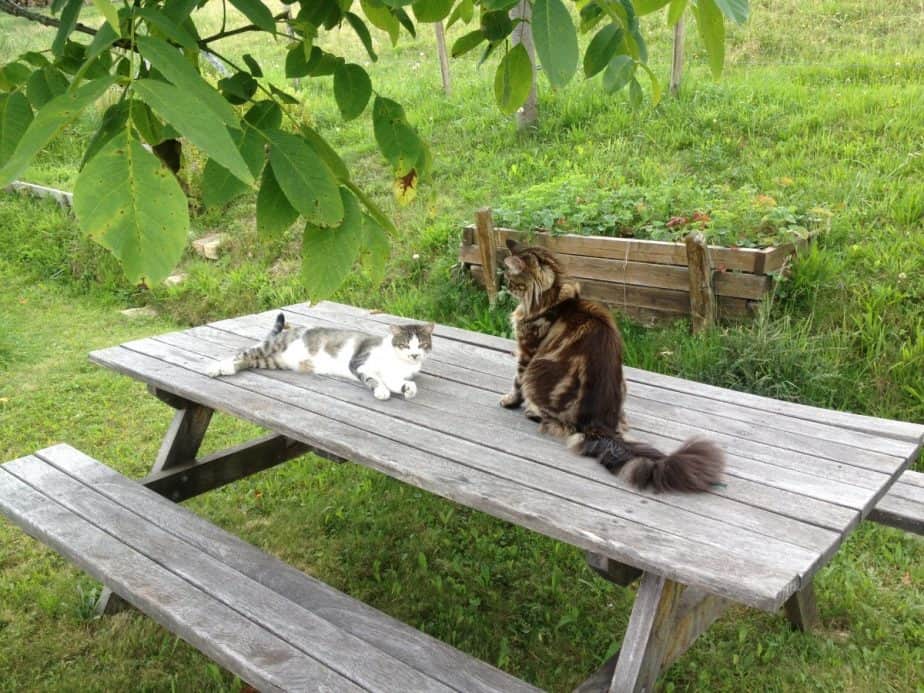

By contrast, Mika and Bali are extremely picky eaters.
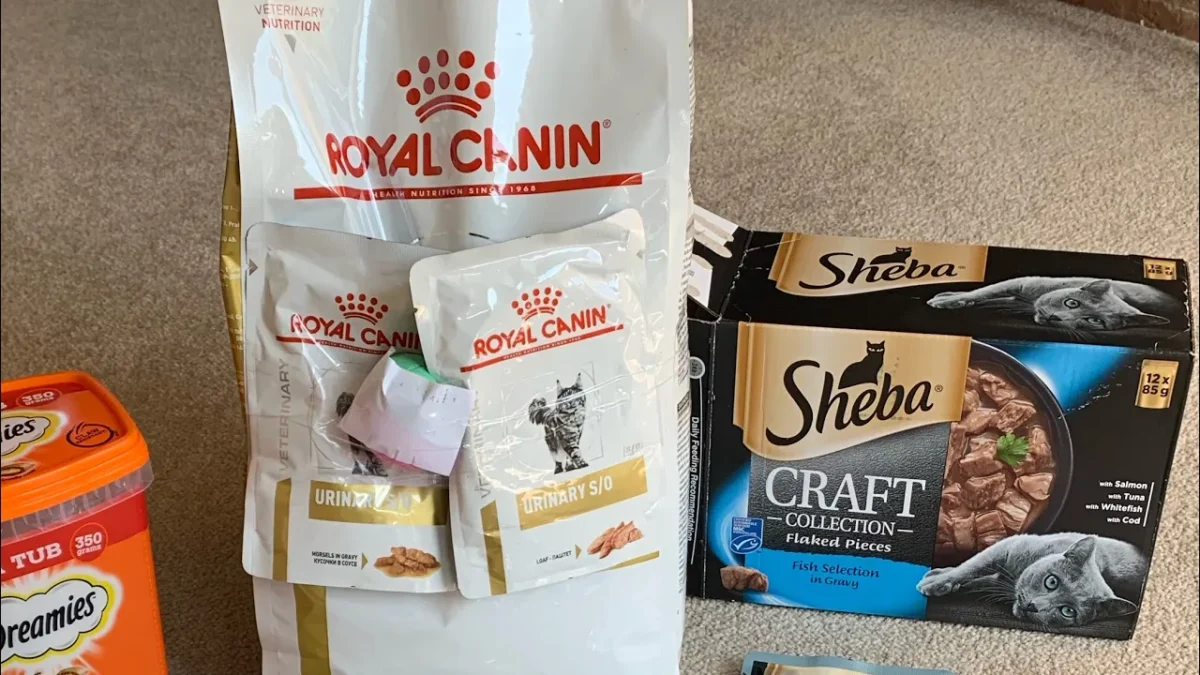
After trialling many dry foods, the only brands they would reliably eat were:
- Royal Canin dry food (with the Maine Coon pictured on the bag)
- Purina Biofensis
When we switched to several higher-priced premium dry food brands, both cats developed urinary tract infections at different times. Bali’s infection was severe and required emergency hospitalisation, which was frightening and extremely expensive.
Following veterinary advice, both cats now eat: Royal Canin Moderate Calorie Urinary dry food
We initially tried the standard urinary formula, but Mika, who has a very large appetite, began gaining weight quickly. Switching to the moderate-calorie version resolved this issue completely.
We have had no urinary problems since, and given what we went through, we would not risk switching brands again. Having a sick cat is bad enough, but the medical bill of £3,500 ($4,776) was truly frightening – to make matters worse, it had to be paid in full before being claimed off the pet insurance.
I’ve delved into the world of Maine Coon eating so that you don’t have to! Take a look at my article: Bottomless Bellies: How Much Do Maine Coon Cats Really Eat?

Why Urinary Diets Matter For Maine Coons
Urinary tract disease is one of the most serious nutrition-related risks in Maine Coons, particularly in large neutered males.
Factors that increase risk include:
- Naturally narrow urethras
- Lower thirst drive
- Dry-food heavy diets
- Stress and anxiety
In severe cases, urinary blockage can become life-threatening within 24-48 hours.
Based on our experience with Bali’s hospitalisation, we now view urinary-support diets not as optional food choices, but as preventative health care.
What Should A Maine Coon Eat? (Core Nutritional Overview)
Maine Coons thrive on a high-protein, meat-focused diet that mirrors their natural nutritional profile.
Whether you feed wet food, dry kibble, raw, or a combination, the key principles stay the same:
Optimal nutrient balance:
- Protein: 50-70% of calories
- Fat: 20-35%
- Carbohydrates: As low as possible (preferably under 10-12%)
- Moisture: Ideally 70-80% via wet/raw feeding
- Taurine: Must be present in sufficient levels
- Low fillers: Avoid corn, wheat, soy, and artificial additives
A biologically-appropriate diet helps reduce obesity, prevent diabetes, minimise hairballs, and support joint and coat health – all common Maine Coon vulnerabilities.
Read more:
How Much Should You Feed A Maine Coon? (Portions & Calorie Needs)
If you’re unsure about portion sizes, the feeding recommendations below explain exactly how much a Maine Coon should eat at different ages and weights.
Because Maine Coons are naturally bigger and grow for up to 3-5 years, their calorie needs differ from those of other cats. A typical healthy adult requires:
Average daily calories:
- Male Maine Coon: 350-600+ kcal/day
- Female Maine Coon: 280-450 kcal/day
- Active cats: add 10-15%
- Indoor-only cats: subtract 10-20%
Portion guidelines:
- Feed 2-3 meals daily for adults
- Feed 3-4 meals daily for kittens
- Combine wet + dry if desired, with wet food making up at least 50% of the diet for moisture balance
Your cat’s body condition score (BCS), activity level, and metabolism ultimately determine how much they need. Slow, steady growth is crucial – too much food accelerates growth unnaturally and stresses joints.
How much a Maine Coon eats depends far more on the individual cat than the breed label. The four biggest drivers are:
- Age (kitten vs adult)
- Activity level
- Body condition
- Diet type (wet, dry, raw)
Two Maine Coons can weigh the same and still need very different calories.
For a detailed calorie and portion guide, see our article on how much Maine Coon cats eat.
Maine Coon Feeding Calculator (Calories Per Day)
If you’re staring at a food bag wondering, “How much should I actually feed my Maine Coon?”, you’re not alone. Maine Coons are large, slow-maturing cats, so generic “cat feeding” advice often doesn’t fit.
This calorie calculator gives a sensible starting point based on your cat’s weight and life stage. Use it for 10-14 days, then adjust portions by about 5-10% depending on whether your cat is gaining, maintaining, or losing weight.
If your Maine Coon is losing weight without you trying, don’t just feed more – investigate the cause.
Advanced Maine Coon Feeding Calculator
Estimate your Maine Coon’s daily calorie needs based on weight, age, and activity level. Designed specifically for large-breed cats.
Important: This calculator provides a safe starting estimate. Adjust food portions gradually over 10–14 days based on body condition. If your Maine Coon is losing weight unexpectedly or has urinary, kidney, thyroid, or digestive disease, consult your vet before changing diet.
1. How To Use Your Result (So It Actually Works In Real Life)
Use the calorie number as a starting point for 10-14 days, then adjust slowly. If your cat is gaining fat, reduce total food by 5-10%. If they are losing weight and you want weight gain, increase by 5-10%.
Avoid sudden jumps – big portion changes can trigger digestive upset.
Important: If your Maine Coon is losing weight without you trying, or has vomiting/diarrhoea, changes in thirst, lethargy, or hiding, don’t “fix it” by feeding more. Use the calculator for reference, but speak to your vet to find the cause.
2. Turn Calories Into A Portion You Can Measure
To translate calories into grams or cups, check your food’s packaging for the energy value (for example, “kcal per 100g” for wet food or “kcal per cup/gram” for dry). Then divide your cat’s daily calories by that number to estimate a portion.
If you mixed-feed, split calories between wet and dry (for example, 50/50), then calculate each portion separately.
Unexplained Weight Loss: Don’t Just Feed More
If your Maine Coon is losing weight and you haven’t changed their diet, don’t assume they simply need bigger portions. Unplanned weight loss can be caused by:
- Dental pain
- Nausea
- Parasites
- Inflammatory bowel disease
- Food intolerance
- Kidney disease
- Diabetes
- Hyperthyroidism
- Chronic infection
- Stress
Some cats also eat less if they are bullied away from bowls or if their food is stale.
If weight loss is noticeable, persistent, or paired with vomiting, diarrhoea, changes in thirst, lethargy, or hiding, it’s safer to speak to your vet early rather than “trialling” lots of new foods at home.
🐾 Feeding By Age & Volume
Most owners don’t need more nutrition theory – they need real feeding amounts they can actually measure.
For exact calorie targets, portion sizes, and daily feeding amounts by age and weight, see the full practical guide here: How Much Do Maine Coon Cats Eat? (Daily Calories, Portions, And Feeding By Age).
This hub focuses on choosing the right food, feeding routine, and life-stage diet rather than exact quantities.
Maine Coon Kitten Feeding Guide (0-5 Years)
Maine Coon kittens grow longer than other breeds, which means they require specialised, high-energy nutrition for much longer.
Feeding stages:
- 0-4 months: high-calorie kitten food, 4 meals/day
- 4-12 months: high-protein kitten food, 3–4 meals/day
- 12-18 months: transition to “junior” or “high-protein adult” food
- 18 months – 5 years: maintain steady growth; avoid early switch to low-calorie diets
Kittens need:
- Higher protein
- Higher fat
- More frequent meals
- DHA for brain development
- Extra hydration
Read more:
How Often To Feed A Maine Coon
Feeding Frequency By Life Stage
| Life Stage | Feed Frequency |
|---|---|
| 8-12 weeks | 3-4 times/day |
| 3-6 months | 3 times/day |
| 6-12 months | 2-3 times/day |
| Adult | 2 times/day |
| Seniors | 2 smaller meals |
Why this matters:
Maine Coons have big appetites but slow metabolisms after maturity. Multiple small meals help manage:
✔ Satiety
✔ Digestion
✔ Urinary health
✔ Weight control
For exact calorie targets and daily portion sizes by age and weight, see the full feeding amounts guide here:
How Much Do Maine Coon Cats Eat? (Daily Calories, Portions, And Feeding By Age).
Senior Maine Coon Nutrition (7+ Years): What Changes And What Stays The Same
Senior Maine Coons don’t automatically need a “senior food”, but they do benefit from tighter monitoring. Appetite, digestion, hydration, and muscle maintenance matter more than ever. Many seniors do better with two smaller meals (or split meals) and a close eye on weight trends, dental comfort, and litter tray changes.
If a senior starts losing weight, don’t assume “age” – investigate causes like dental pain, kidney disease, hyperthyroidism, diabetes, or chronic inflammation.
For exact senior calorie targets and daily portion sizes by weight and activity level, use the full feeding amounts guide here:
How Much Do Maine Coon Cats Eat? (Daily Calories, Portions, And Feeding By Age).
Adjusting Portions By Activity & Weight
Activity & Condition Adjustments
- Very active cats (outdoor/playful) → +5-10% of daily calories
- Indoor/lower activity → -5-10% to avoid excess weight
- Weight gain noticed → Reduce by ~10-15 g daily, monitor 2 weeks
- Weight loss needed → Increase by ~10-15 g daily, vet consult if >10% loss
Buffer rule: Never decrease or increase more than 10% at once – sudden changes can trigger digestive upset.
Visual Feeding Guide
                       START HERE
                             ↓
                KITTEN (8–12 WEEKS)  —> 3–4 small meals
                             ↓
            GROWTH (3–6 MONTHS) —> 3 meals/day
                             ↓
          JUNIOR (6–12 MONTHS) —> 2–3 meals/day
                             ↓
                  ADULT (1–6 YEARS) —> 2 meals/day
                             ↓
                MATURE (7+ YEARS) —> 2 smaller meals
🎯 Tip: Always measure with weight, not volume – cups vary by brand.
Real Feeding Notes From Mika, Bali & Pippin
If you want the short version of what worked for our household (and why), see the “Real-World Feeding Experience” section near the top – it explains what changed after urinary issues and what we now stick to long-term.
Wet Food Vs Dry Food Vs Raw (Pros & Cons)
Wet food
- High moisture
- Easier to digest
- Better for weight control
- Great for picky eaters
Dry Kibble
- Convenient
- Helps with dental abrasion
- Can be nutritionally dense
Raw feeding
- Extremely high in protein
- Mimics natural feline diet
- Must be balanced correctly
- Requires safe handling
Mixed feeding
- Most balanced daily approach
- Maintains hydration
- Supports healthy teeth
- Distributes calories across the day
Read more:
Nutrient Ratios – What Makes A Good Food
Maine Coons are large, muscular cats that benefit from specific nutritional balances:
- Protein: Maine Coons thrive on diets with high animal protein – look for formulas with ≥30-40% protein (dry matter basis). Quality animal proteins support muscle, coat, and overall metabolism.
- Fats: Healthy fats provide concentrated energy and help support skin and coat health; omega-3s (like salmon oil) reduce inflammation.
- Carbohydrates: Cats have no strict requirement for carbs. Excess carbs can contribute to weight gain and digestive issues.
- Taurine & Vitamins: Essential amino acids like taurine are crucial for heart and eye health; ensure selected diets meet AAFCO standards.
High-quality food isn’t just about label claims – look at ingredient lists and guaranteed analysis to choose the best fit.
The Reality Of Wet Food Feeding
Wet food feeding does not always work the way guides suggest. While Pippin would eat leftover chicken happily, Mika and Bali have never shown interest in human food.
Instead, they eat Royal Canin Urinary wet food two to three times per week, but even then, their behaviour is unpredictable. Some days they will eat the food normally. Other days, they will simply lick the jelly and leave the meat untouched.
Even more unusually, they will only share one sachet between them! If we offer one pouch each, much of it goes to waste, which becomes expensive very quickly.
This inconsistency is common among Maine Coons and highlights why feeding advice must remain flexible rather than rigid.
Each feeding style has benefits, and many Maine Coon owners use a balanced combination.
Digestive Troubleshooting
Digestive symptoms are common when a cat changes foods too quickly or has sensitivities. Use the guide below to understand what’s normal – and when to seek help.
Common Issues & What To Do
- Vomiting once or after fast eating: Could be due to eating too quickly – use a slow feeder or divide meals.
- Soft stool/diarrhoea after food change: Introduce new food gradually over 7-10 days.
- Persistent diarrhoea or vomiting + lethargy: Seek veterinary advice; this may indicate underlying medical causes.
If digestive signs persist beyond 24-48 hours, or are accompanied by weight loss or dehydration, don’t wait. Early vet advice can prevent escalation.
Treats, Rewards And Behavioural Feeding
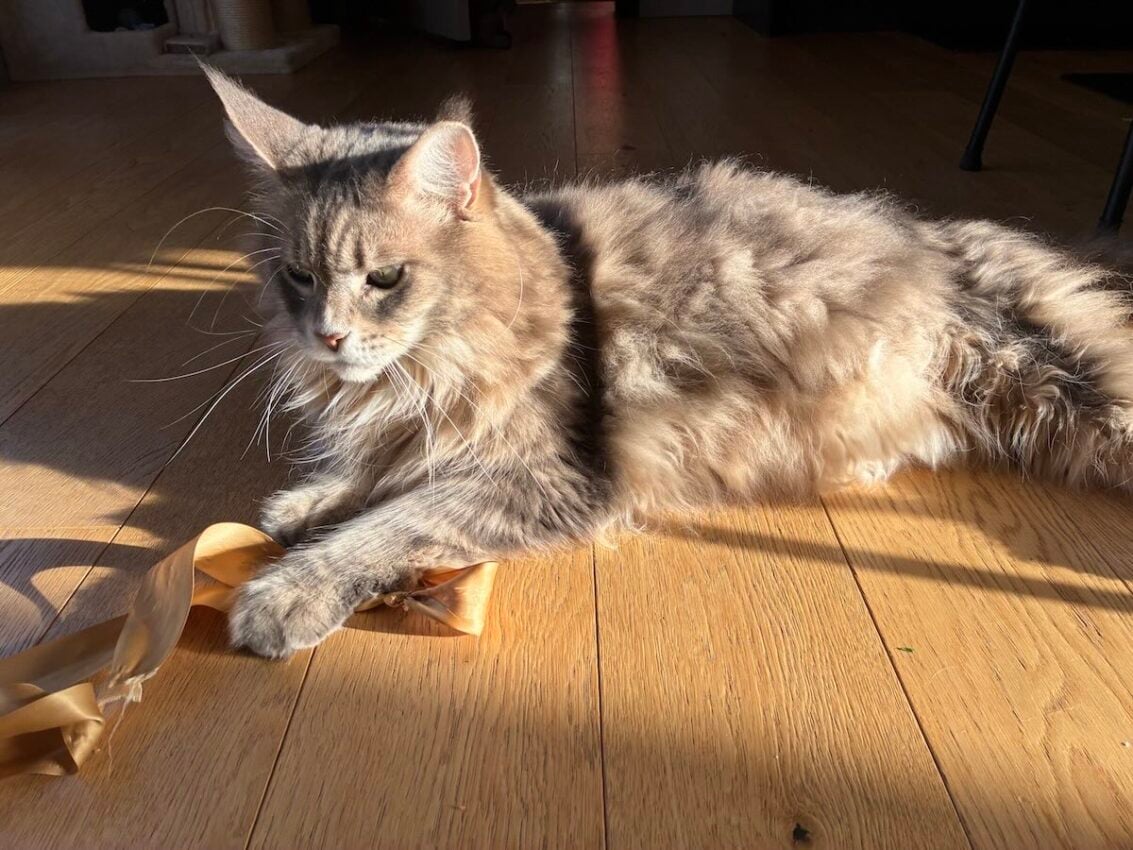
All three of our Maine Coons enjoy cat yoghurt treats, and we give them Lik-e-Lix tubes most evenings.
Mika is particularly motivated by treats. Dreamies are especially useful during grooming sessions, where positive reinforcement helps him tolerate brushing around areas prone to tangles.
While treats should always be moderated, they often play an important role in real-world care – particularly for nervous or sensitive cats.


Feeding Troubleshooter Table
What to do when common feeding problems occur:
| Problem | Likely Cause | Try This |
|---|---|---|
| Refuses food | Texture/brand mismatch | Warm food, rotate within the same trusted base, try wet for variety |
| Vomiting after meals | Eating too fast | Smaller meals, puzzle feeder, slow bowl |
| Weight gain | Excess calories | Reduce portions, increase activity, vet check |
| Urinary signs | Low water intake | Water fountain, wet food, vet consult |
| Constant begging | Boredom | Scheduled meals, play before meals |
Common Misconceptions
Myth: Maine Coons should always free-feed entertainment
Reality: Free feeding can lead to over-eating, obesity, and urinary issues. Structured meals maintain weight and hydration habits.
Myth: Any “premium” food is better
My personal experience with higher-priced foods is that they caused UTIs in Mika and Bali – this shows that food must be:
✔ Vet-recommended
✔ Formulated for breed size/metabolism
✔ Not just expensive


Human Foods: What Maine Coons Can & Can’t Eat
Some human foods are safe in moderation; others are dangerous.
Safe (Occasional):
- Cooked unseasoned chicken
- Salmon
- Turkey
- Plain rice (small amounts)
- Eggs
Unsafe/Toxic:
- Onions
- Garlic
- Chocolate
- Grapes
- Alcohol
- Excessive dairy
Read more:
- Can Maine Coons Eat Rice?
- Can Maine Coons Eat Pizza?
- Can Maine Coons Drink Milk?
- What Human Food Can Maine Coon Cats Eat?
- 18 Deadly Foods To NEVER Feed A Maine Coon


Human Food & Diet FAQs For Maine Coons
1. Can Maine Coons Eat Human Food?
Maine Coons can technically eat certain human foods in small, safe amounts, but they should never be a major part of their diet. Human food is not nutritionally balanced for cats and can lead to:
- Deficiencies
- Digestive upset
- Weight issues if fed regularly
In our home, Pippin was the only one who showed interest in human food – especially chicken. He would often wait near the kids at dinner, and once even managed to snatch a piece of chicken tikka masala (not advised!). That behaviour was permission-based curiosity, not nutritional need. By comparison, Bali and Mika have never liked human food at all.
Helpful guides include:
These articles explain safe portion sizes, preparation tips, and potential risks, helping owners make safer feeding choices.
2. What human foods Are Safe For Maine Coons?
If you want to offer occasional, safe treats from your plate:
Safe in tiny amounts:
- Cooked lean chicken or turkey (no bones, no seasoning)
- Cooked plain fish (no bones, no seasoning)
- Small amounts of plain, cooked egg
Not a substitute for cat food – occasional treat only.
3. What Human Foods Should NEVER Be Given To Maine Coons?
Some human foods are genuinely dangerous to cats and should never be offered:
🚫 Onions, garlic, chives
🚫 Grapes or raisins
🚫 Chocolate
🚫 Alcohol
🚫 Caffeine
🚫 Xylitol (sweetener in sugar-free foods)
🚫 Raw dough or uncooked meat with bones
🚫 Dairy like cow’s milk in large amounts (many cats are lactose-intolerant)
Even small quantities of these can cause serious illness.
4. Can Maine Coons Eat Chicken Every Day?
While plain cooked chicken is safe as an occasional treat, it should not replace complete cat food. Feeding too much human protein can create nutrient imbalances because it lacks essential taurine, vitamins, and minerals that cats require.
In our experience, Pippin would eat chicken leftovers happily, but he always returned to his complete cat food as the staple of his diet.
5. Is It bad If My Maine Coon Only Wants Human Food?
If a Maine Coon refuses their formulated diet in favour of human food, that’s a problem.
A cat that only wants human food risks:
❗ Nutritional deficiencies
❗ Weight imbalance
❗ Digestive upset
❗ Urinary and metabolic conditions
Always work with your vet to transition picky eaters back to nutritionally complete food.
In our home, Mika and Bali never rejected complete cat food; they were simply picky about which food they would accept.
6. Can Maine Coons Eat Dairy Products Like Cheese Or Yoghurt?
Most cats are lactose-intolerant, meaning they don’t digest dairy well. Small tastes of plain cheese rarely cause harm, but they are not recommended as a regular treat.
That said, all three of our cats enjoy cat-safe yoghurt treats like Lik-e-Lix tubes after meals. These are formulated for feline digestion and make excellent rewards when used sparingly.
7. Can Human Food Cause Urinary Issues In Maine Coons?
Yes – diet composition significantly affects urinary health.
High-carbohydrate dry foods or unbalanced homemade meals can:
- Reduce water intake
- Concentrate urine
- Increase blockage risk
In our experience, when Mika and Bali were trialled on several higher-priced dry foods, they both developed urinary tract infections at separate times. Since switching to Royal Canin Moderate Calorie Urinary dry food (on vet advice), they have remained healthy, and we avoid any food that triggers urinary symptoms.
8. How Should Treats Be Factored Into A Maine Coon’s Diet?
Treats should:
✔ Be small
✔ Not exceed ~10% of daily calories
✔ Complement proper nutrition
Dreamies or other crunchy treats are fine in moderation. In our home, Dreamies are especially useful for training or grooming rewards – but they are not suitable as meal replacements.
9. Does Raw Meat Or Home-Cooked Food Work As A diet?
Raw diets are popular in some circles, but they carry risks like:
⚠ Salmonella
⚠ E. coli
⚠ Unbalanced nutrients
⚠ Bone hazard
Home-cooked meals must be balanced with a supplement plan designed by a vet or animal nutritionist. If not, they can cause long-term problems. We found that complete, veterinary-formulated diets avoided these issues better than homemade trials.
10. What Should I Do If My Maine Coon Refuses All Commercial Foods?
Refusal can signal:
🔹 Stress or anxiety
🔹 Dental pain
🔹 Digestive sensitivity
🔹 Inappropriate texture or flavour
🔹 Learned preference for human food
Strategies that help include:
✔ Rotate flavours within the same trusted brand
✔ Warm food slightly for aroma
✔ Offer hydration fountains
✔ Feed at consistent times
✔ Avoid feeding from your plate
If refusal persists, vet evaluation is essential – refusal can be a symptom, not just behaviour.
Managing Shedding, Coat Health & Allergies Through Diet
Diet influences coat quality, shedding, and skin health. Maine Coons with dull, brittle, or thinning coats often benefit from:
Nutritional support for coat health:
- Omega-3 fatty acids (EPA/DHA)
- High-quality animal protein
- Adequate hydration
- Low-carb, low-filler diets
A poor-quality diet can worsen shedding, dandruff, tail thinning, and allergies.
Read more:
- Why Is My Maine Coon Shedding So Much?
- What Is the Best Cat Food for Shedding?
- Causes of Maine Coon Tail Thinning
Food Allergies, Intolerances & Sensitive Stomachs
Maine Coons can develop food sensitivities, especially to:
- Chicken
- Beef
- Wheat
- Certain preservatives
Signs include:
- Vomiting
- Diarrhoea
- Itchy skin
- Ear infections
- Over-grooming
Typical solutions:
- Switch to a single-protein diet
- Try a hypoallergenic diet
- Introduce new proteins slowly
- Avoid artificial colours and fillers
Read more:
Digestive Issues In Maine Coons (Vomiting, Diarrhoea, Hairballs & Food Transitions)
Digestive problems are one of the biggest reasons owners end up changing foods too quickly – and that can accidentally make things worse. The goal isn’t constant switching; it’s identifying patterns.
A few realities that help owners troubleshoot calmly:
- One-off vomiting can happen (especially fast eating or hairballs), but repeated vomiting isn’t “normal”.
- Soft stools after a food change are common, but diarrhoea that lasts more than a couple of days, contains blood, or comes with lethargy needs veterinary advice.
- Hairballs aren’t just grooming-related – diet and hydration affect how easily fur passes through the gut.
If you need to change food, change it slowly.
Mix the new food in gradually over 7-10 days. If your cat is already prone to digestive upset, go even slower (10-14 days). Sudden switches are one of the easiest ways to trigger loose stools.
Red flags that mean “don’t DIY this”:
If vomiting or diarrhoea is persistent, your cat is losing weight, refusing food, dehydrated, or behaving “off”, it’s safer to speak to your vet early rather than cycling through brands at home.
Hydration & Water Preference
Hydration is one of the most important – and overlooked – aspects of Maine Coon nutrition.
We keep a cat water fountain running at all times to encourage drinking. Mika is particularly obsessed with moving water. He can often be found drinking with his entire face submerged, and regularly walks around the house with a wet face as a result!
He also has an unusual fondness for rainwater and will rush into the garden straight to his designated water bucket, which we clean regularly.
Encouraging water intake through fountains can significantly reduce urinary tract risk, especially in large male cats.
Ultimately, Maine Coons often prefer:
- Moving water
- Wide, shallow bowls
- Stainless steel or ceramic over plastic
Proper hydration helps prevent UTIs, reduces shedding, and supports kidney function.
Read more:
- How Much Do Maine Coon Cats Eat? (hydration context)
Weight Management & Obesity Prevention
Maine Coons are large, but should never be overweight. Obesity is one of the most common health issues vets see in the breed.
Key strategies:
- Measure portions
- Use feeding schedules
- Minimise high-carb foods
- Increase play and enrichment
- Monitor weight monthly
A healthy adult male typically weighs 18-21 lbs, and females 12-15 lbs, depending on frame.
Read more:
Senior Nutrition
As Maine Coons reach their senior years (around 7+), their metabolism may slow, and their body condition can change. Senior cats often do better with:
- Slightly lower-calorie-density food (if weight is creeping up)
- Joint support ingredients (glucosamine, chondroitin)
- More frequent, smaller meals to aid digestion
- Continued hydration focus
Veterinary assessment is strongly encouraged for seniors, especially those with arthritis, dental issues, or changes in food intake.
Supplements & Optional Safe Recipes
Some supplements can support a diet, but should be used with veterinary guidance:
- Omega-3 fatty acids: For skin and coat health
- Probiotics: To support gut flora, especially during transitions
- Joint support blends: Beneficial for older cats with mobility changes
You can also offer occasional, vet-approved homemade treats, such as plain cooked chicken breast or turkey, in very small amounts. These should never replace a complete, balanced diet.
Diet & Nutrition FAQs
How much should a Maine Coon eat each day?
Most adults need 280-600 kcal/day depending on sex, weight, and activity level.
What is the best food for Maine Coons?
A high-protein, meat-based diet with low carbohydrates and no fillers.
Can Maine Coons eat raw meat?
Yes, but only balanced, safe raw diets with correct taurine levels.
How often should a Maine Coon kitten eat?
3-4 meals per day until at least 12 months old.
Do Maine Coons need wet food?
Wet food supports hydration and is recommended for most Maine Coons.
What foods are toxic to Maine Coons?
Onions, garlic, chocolate, grapes, alcohol, and seasoned meats.
