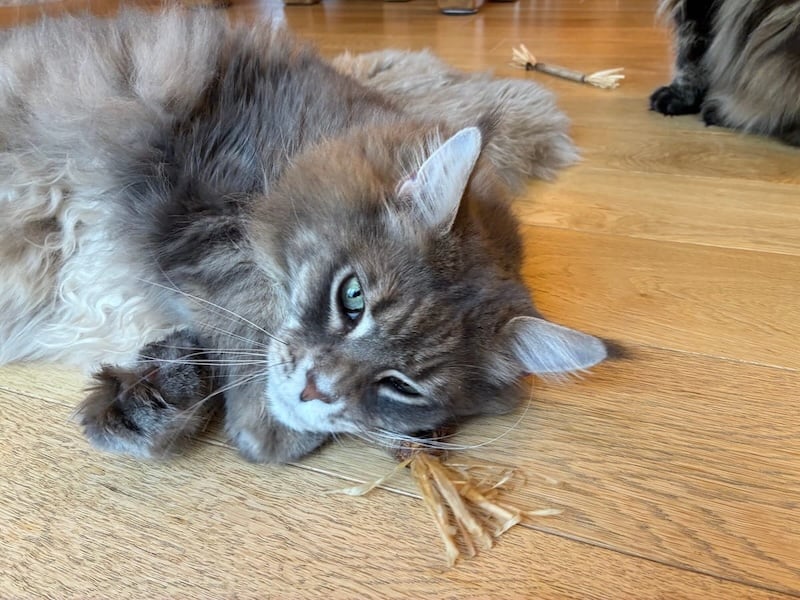
Pros And Cons Of Maine Coon Cats: The Honest Owner Guide

Maine Coon cats are often described as gentle giants: large, affectionate, intelligent, sociable, and dog-like in personality. They are one of the most popular cat breeds in the world, but living with one is very different from admiring them online.
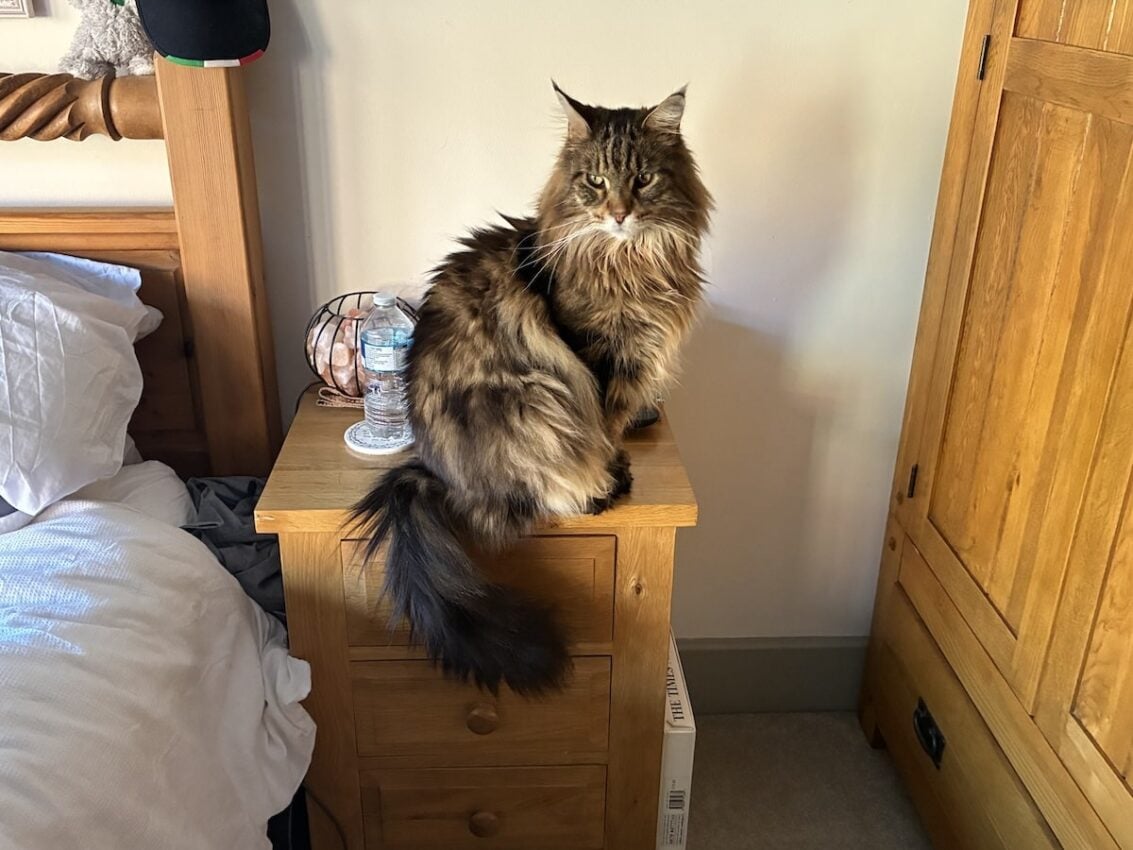
I have owned Maine Coons for over 14 years, including raising Pippin from a tiny kitten and later adopting two adult Maine Coons, Mika and Bali.
Across those years, I have experienced the best and hardest parts of the breed: deep affection, clever behaviour, funny quirks, heavy shedding, grooming struggles, expensive vet bills, and the emotional toll of serious health problems.
In my experience, Maine Coons can make extraordinary pets, but they are not low-maintenance cats. Their size, intelligence, coat, social needs, appetite, and potential health issues mean they need more time, space, grooming, enrichment, and money than many new owners expect.
If you are new to the breed, start with my complete guide What is a Maine Coon? before deciding whether this breed is right for your home.

Quick Answer
Maine Coons can make excellent pets for the right owner. They are usually friendly, affectionate, intelligent, playful, loyal, and sociable. Many are good with children, other cats, and cat-friendly dogs, and they often enjoy being involved in daily family life.
However, Maine Coons are not suitable for everyone. They need regular grooming, large equipment, daily enrichment, companionship, high-quality food, and lifelong veterinary care. They can shed heavily, become bored easily, cost more to insure and feed, and may be prone to breed-associated health conditions.
In my experience with Pippin, Mika, and Bali, Maine Coons are wonderful pets, but not because they are effortless. They are wonderful because they are so interactive, funny, emotionally present, and full of personality.
Pros And Cons Of Maine Coon Cats At A Glance
| Pros | Cons |
|---|---|
| Friendly and sociable | Need regular grooming |
| Often good with children | Shed a lot |
| Intelligent and trainable | Can become bored or mischievous |
| Playful and entertaining | Need large cat furniture and equipment |
| Affectionate and loyal | Can be expensive to feed and insure |
| Often good with other pets | May have inherited health risks |
| Can live indoors with enrichment | Need daily attention and stimulation |
| Dog-like personality | Some are vocal and persistent |
| Beautiful, impressive appearance | Health problems can be emotionally difficult |
Mainecooncentral.com
The Pros Of Owning A Maine Coon Cat
Many of the biggest pros and cons of owning a Maine Coon come from the breed’s personality. Their sociable, intelligent, and people-focused nature can make them wonderful companions, but it also means they need attention, enrichment, and owner involvement. For a deeper look at how this breed behaves, read my full guide to Maine Coon personality.
1. Maine Coons Are Friendly And Sociable
One of the biggest reasons people love Maine Coons is their friendly, people-focused nature.
Many Maine Coons enjoy being near their owners, following them from room to room, greeting people at the door, and quietly supervising household life. They are often described as dog-like because they seem genuinely interested in what their humans are doing.
Pippin was particularly friendly because we raised him from a young kitten. He loved introducing himself to strangers, greeted visitors confidently, and adapted well to family life. He was the sort of Maine Coon who made people feel as if they had come to visit him personally.

Bali was different. He started friendly but cautious, likely because we adopted him as an adult. Over the years, though, his confidence has grown. He now willingly greets cat sitters and visitors at the door, even though he is still a scaredy cat underneath.
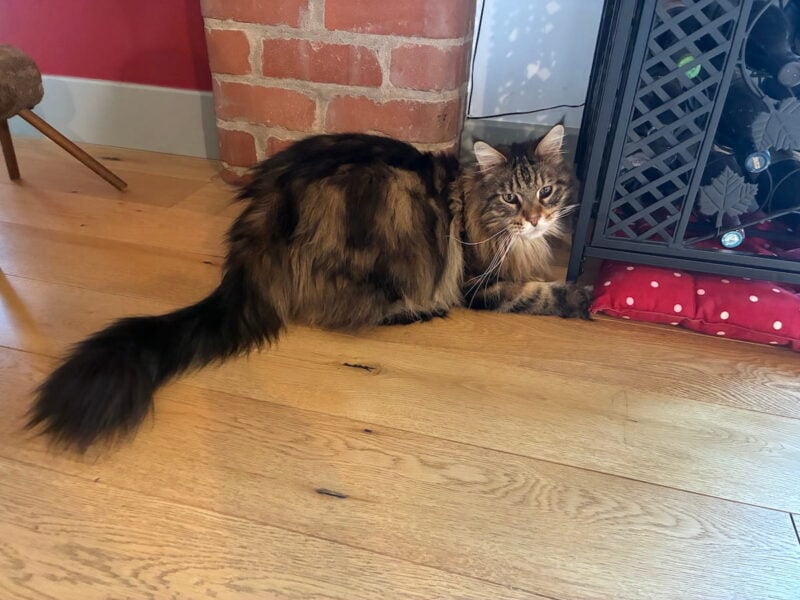
Mika is much more nervous and is scared of his own shadow. He proves an important point: Maine Coons are often sociable, but breed traits are not guarantees. Genetics, early socialisation, previous experiences, and environment all shape personality.

For a deeper look at temperament, read my Maine Coon Personality Guide.
2. Maine Coons Can Be Excellent Family Cats
Maine Coons are often good family cats because many are patient, gentle, and tolerant.
Pippin grew up alongside my children and seemed to understand that young children move unpredictably. He tolerated clumsy strokes and formed a close bond with our family.

Since adopting Bali, a similar bond has developed, although our children know they need to be more cautious around Mika because he was not raised with children and can react if startled.

This is why I would never say Maine Coons are automatically perfect with children. A well-socialised Maine Coon can be wonderful in a family home, but children still need to be taught how to behave around cats.
Children should not:
- Pull a cat’s fur
- Grab the tail
- Chase the cat
- Force cuddles
- Dress the cat up
- Pick the cat up awkwardly
- Disturb them while sleeping
- Ignore growling, hissing, tail flicking, or attempts to move away
A tolerant Maine Coon may put up with more than some cats, but that does not mean they should be expected to tolerate rough handling.
3. Maine Coons Are Intelligent And Trainable
Maine Coons are clever cats. They often learn routines quickly, enjoy puzzle toys, and can be trained using positive reinforcement.
Pippin was trained to shake hands on command. Mika can complete challenging dog treat puzzles, especially when treats are involved. Bali loves playing fetch, which is one of the most dog-like behaviours I have seen in my own cats.
Watch Mika complete a complicated dog treat puzzle on my YouTube channel.

This intelligence is one of the breed’s biggest advantages. Maine Coons can learn to:
- Play fetch
- Use puzzle feeders
- Come when called
- Walk on a harness
- Follow routines
- Respond to simple cues
- Use interactive toys confidently
However, intelligence is also a double-edged sword. A bored Maine Coon may invent its own entertainment, such as opening cupboards, scratching furniture, jumping onto counters, pawing at doors, or demanding attention loudly.
Mika is very treat-motivated, so I have to watch his weight when using puzzle toys. For food-driven cats, it is better to use measured portions of their daily food allowance rather than endless extra treats.
For practical enrichment ideas, read how to keep a Maine Coon entertained. For training support, use my guide on how to train a Maine Coon cat.

4. Maine Coons Are Affectionate, But Not All Are Lap Cats
Maine Coons are usually affectionate, but their affection varies from cat to cat.
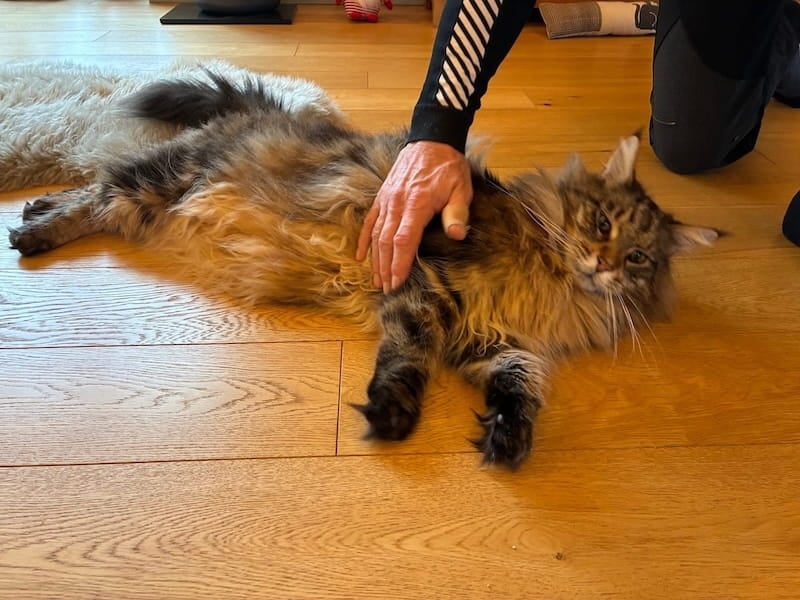
Pippin was the most affectionate cat I have ever owned. He licked our hands, arms, and faces, and as he aged, he became a devoted lap cat.
Bali adores physical closeness, too, but he does not always sit neatly. He prefers to stretch across us, which is sweet but can also lead to all of us overheating and interrupted sleep.
Mika has never been a lap cat. His affection is quieter. He bonds through proximity, routines, food motivation, and selective interaction.
This matters because some owners expect every Maine Coon to be a cuddly teddy bear. In reality, affection can look like:
- Sitting beside you
- Following you around
- Sleeping nearby
- Head-butting
- Slow blinking
- Licking
- Chirping when you enter the room
- Choosing to stay close without being held
A Maine Coon does not need to be a lap cat to be loving.
5. Maine Coons Are Playful And Entertaining
Maine Coons often remain playful well into adulthood. They may chase toys, carry objects around, play fetch, race through the house, jump onto cat trees, or stalk ribbons with intense concentration.
Bali often experiences intense early-evening zoomies, sprinting across our wooden floors at full speed and sliding to a stop on his claws. If you value pristine flooring, be warned: my once beautiful oak floors are now covered in scratches from enthusiastic feline drifting!
All three of my Maine Coons have loved playing with thick, long ribbons. If you plan the game carefully, two cats can play with the same ribbon at the same time, each attacking a different end. It is funny, active, and a brilliant way to get them moving together.
Ribbon play must always be supervised, though. Long ribbons, string, wool, and similar toys can be dangerous if swallowed, so they should be put away safely after play.
For toy ideas, read my guide to the best toys for Maine Coon cats.
6. Maine Coons Are Communicative And Expressive
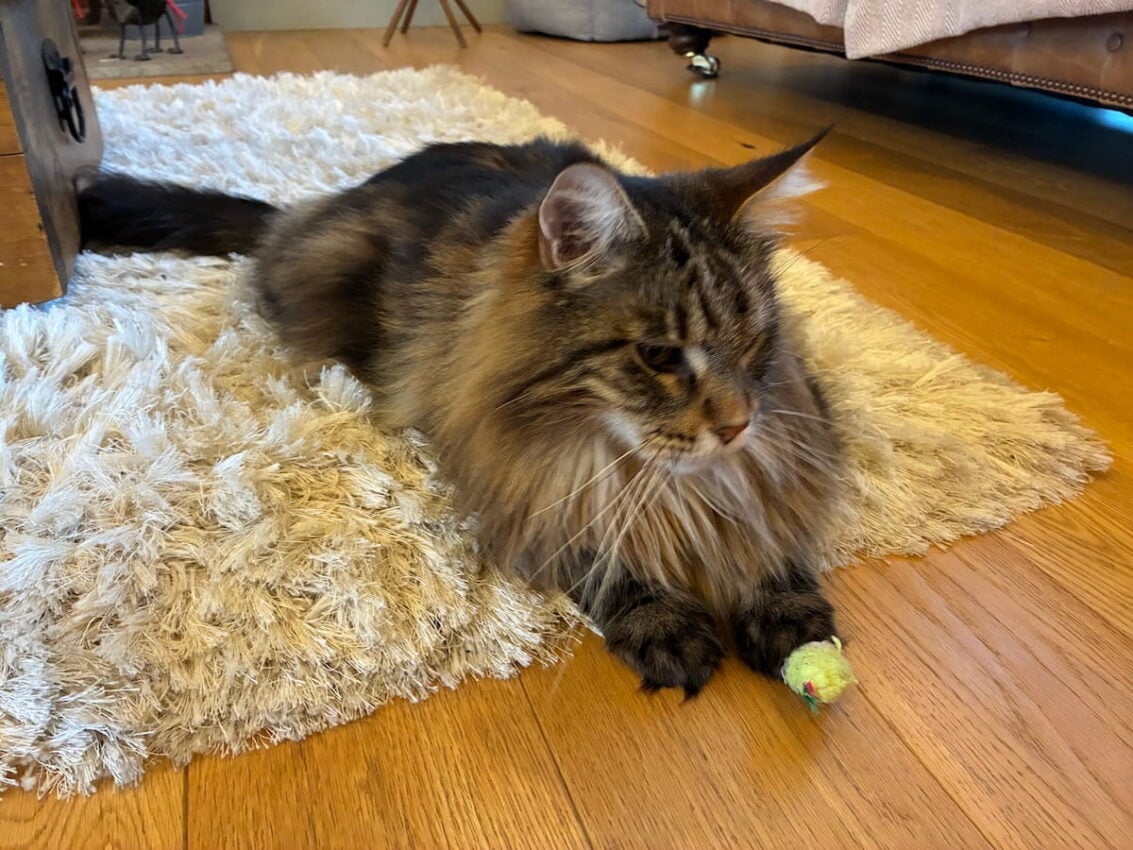
Maine Coons are famous for their chirps, trills, chatter, warbles, and conversational noises.
Some do meow, but many owners notice a wider range of sounds than expected. These noises are often used for greeting, excitement, play, attention, food requests, or general conversation.
Bali will pace outside our bedroom, chirping loudly when he decides it is playtime. Sometimes he leaves a toy at the door like a gift. It doesn’t matter if you’re in the middle of a work call, if Bali thinks it’s playtime!
Mika communicates by standing upright on his hind legs and pawing repeatedly at the closed door while talking nonstop until his demands are met. He also likes to chat as he walks up to us, as if he has a long list of things to say!
This is charming, but owners should be realistic. Maine Coons are not always quiet cats. If they want something, some will tell you repeatedly.
Mika also likes to chat to you as he walks up to you – he has so many things to say!! Here’s a great example of my Maine Coon chatting away to me, shown on my Maine Coon Central YouTube channel.
For more on unusual Maine Coon sounds, read why Maine Coons chirp, trill, and make weird noises.
7. Maine Coons Can Live Happily Indoors With Enrichment
Maine Coons can be good indoor cats if their environment is set up properly. They’ll need more than a food bowl and a sofa, though. These are large, intelligent, active cats that need places to climb, scratch, hide, stretch, observe, and play.
Indoor Maine Coons benefit from:
- Tall cat trees
- Window views
- Scratching posts
- Puzzle feeders
- Daily play
- Large litter trays
- Safe ribbon or wand play
- Food puzzles
- Strong cat furniture
- Space to run and stretch
Maine Coons can also be trained to walk in a harness, which provides some cats with safe outdoor enrichment without the risks of free roaming.
If you are planning an indoor setup, read my article: Can Maine Coon cats be kept indoors? and my guide to the best cat trees for Maine Coons.
8. Maine Coons Often Get Along With Other Pets
Maine Coons often do well with other cats and cat-friendly dogs because many are sociable, confident, and companionship-focused.
However, introductions still need to be gradual. Even a friendly Maine Coon can become stressed if a new pet is introduced too quickly. Scent swapping, separate rooms, supervised meetings, and safe retreat spaces are still important.
Here’s a full guide on How to introduce your Maine Coon cat to a dog.
Maine Coons should also be kept away from small pets such as hamsters, mice, rats, birds, or rabbits unless there is secure separation. They are still cats with hunting instincts.
When my daughter was 8 and announced it was her turn to look after the school’s hamster for the weekend, I was horrified! Pippin was immediately VERY interested in the hamster that entered the house, and I had to take special measures to keep it safe in our open-plan home!
For dog introductions, read Are Maine Coon cats good with dogs?.
9. Maine Coons Are Beautiful And Impressive
Maine Coons have a striking appearance.
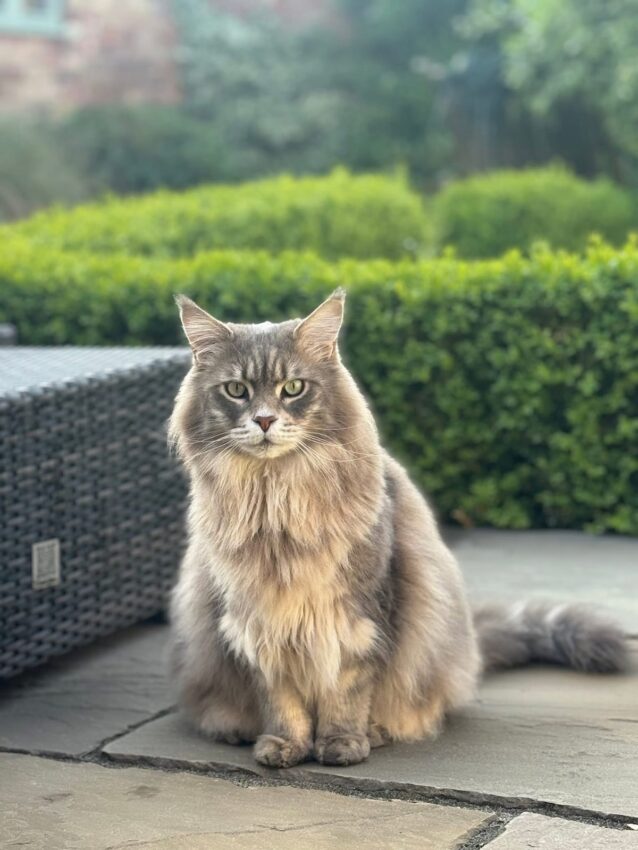
Pippin and Mika are big Maine Coons and very true to the breed’s image, with large frames, powerful bodies, thick coats, expressive faces, and that unmistakable Maine Coon presence.
Their shaggy coats, bushy tails, lynx-like ear tufts, large paws, square muzzles, and serious expressions make them look almost wild. Yet their personality is often soft and people-focused.
Maine Coons also come in a wide range of colours and patterns, including tabby, solid, smoke, shaded, silver, tortie, and bicolour varieties. For more coat and color detail, make sure you read our Maine Coon colours and patterns guide.
The Cons Of Owning A Maine Coon Cat
1. Maine Coons Shed A Lot
Shedding is a daily reality with Maine Coons.
While Pippin shed moderately, Mika and Bali shed heavily. I think it feels more intense with the brothers, as when they playfight, Mika’s thick fur flies EVERYWHERE …I’m surprised he has any left!!
Mika’s fur sticks stubbornly to cushions and clothing, and after hoovering, one play fight can undo all your efforts.
Coat type matters enormously. Bali’s silky fur rarely tangles, whereas Mika, and previously Pippin, have dense coats that are more prone to knots.
Shedding is not just an aesthetic issue. Loose fur contributes to:
- Hair around the home
- Fur on clothing
- Hairballs
- More grooming work
- Mats if the dead coat is not removed
- Extra hoovering and cleaning
If shedding is a concern, read why Maine Coons shed so much.
11. Maine Coons Need Regular Grooming
Maine Coons are not low-maintenance cats. Their coats can be easier than some long-haired breeds, but they still need regular grooming, especially around the armpits, belly, back legs, tail base, and ruff.
Mats can form quickly, and once they become tight, they pull painfully at the skin.
Pippin developed Maine Coon Arthritis and mild Hip Dysplasia as he aged. His fur was prone to painful knots, and brushing often caused discomfort, which led to defensive behaviour. He would lash out when grooming became painful.
This is one of the hardest lessons I learned. What looks like aggression may actually be pain, fear, or a memory of previous discomfort.
Mika also dislikes too much handling and can become overstimulated, or frankly, just annoyed at being groomed in general! Bali is easier to groom because his coat is silkier, but he still needs regular care.
Maine Coons may need:
- Brushing several times a week
- More grooming during shedding seasons
- Nail trimming
- Ear checks
- Dental care
- Mat checks around friction areas
- Occasional professional grooming if mats become severe
For a full grooming routine, read how to groom a Maine Coon cat and Maine Coon matted fur.

12. Maine Coons Can Be Expensive To Own
Maine Coons are expensive cats to buy, feed, insure, and treat medically.
Pippin cost £650 from a hobby breeder more than 15 years ago. Today, many Maine Coon kittens cost around £1,000-£2,000 or more, depending on breeder, location, pedigree, health testing, and demand.
Mika and Bali were adopted together for £450, which looked cheaper upfront. However, they arrived with dental disease, including gingivitis and teeth that needed to be removed. My insurance refused to cover pre-existing dental issues, which ultimately cost me thousands in unexpected costs.
Our real-life costs have included:
- 7kg premium dry food bag: around £75 every six weeks for two cats in 2026
- Bali dental surgery: £690 in 2025 for one tooth removed, scale and polish
- Mika’s dental surgery: £720 for one tooth removed
- Insurance for two Maine Coons: £85 per month in 2026
- Bali’s emergency urinary hospital stay: over £3,500, thankfully covered by his lifetime insurance
- Pippin’s potential hip replacement quote: £7,500 in 2022 (for one hip only).
Cheaper upfront does not always mean cheaper long-term. That has been a painfully expensive realisation for me.
For more details, read how much Maine Coon cats cost and the best Maine Coon pet insurance.

13. Health Problems Can Be Emotionally Difficult
Maine Coons can be strong, hardy cats, but they are not free from health problems.
Pippin likely suffered from hypertrophic cardiomyopathy and was euthanised at just 10 years old after becoming paralysed in the backend.
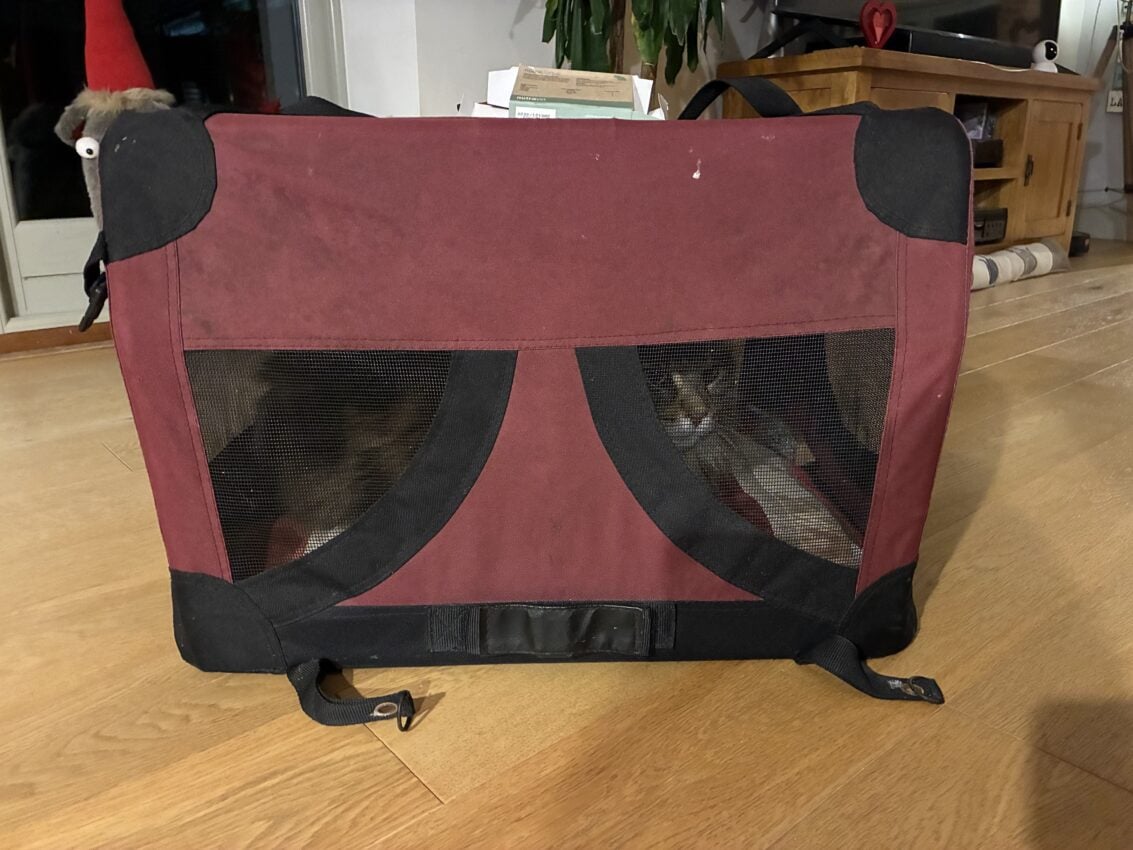
Before that, he had a bent tail canal injury, arthritis, hip dysplasia, a urinary tract infection, and repeated specialist hospital visits. Some trips involved more than 1.5 hours of driving each way, which added stress for both him and us.
Maine Coons can be predisposed to conditions, including:
- Hypertrophic cardiomyopathy
- Hip dysplasia
- Spinal muscular atrophy
- Polycystic kidney disease
- Dental disease
- Arthritis
- Obesity-related joint strain
This does not mean Maine Coons are unhealthy cats, but it does mean responsible breeding, screening, insurance, annual checkups, dental care, and early veterinary attention matter.
For health-specific reading, use:
14. Maine Coons Need Attention And Companionship
Maine Coons are social cats. Many do not suit homes where they are left alone for very long periods every day without interaction, enrichment, or companionship.
They often want to be near their owners, involved in routines, and included in household life. Another cat or dog can help some Maine Coons, but it does not replace human attention, grooming, play, and care.
A lonely or understimulated Maine Coon may become:
- Vocal
- Clingy
- Destructive
- Restless
- Overly food-focused
- Withdrawn
- Stressed
- Attention-seeking
This is one reason Maine Coons can be poor choices for people who want a cat that is happy being mostly ignored.
15. Maine Coons Can Be Messy
Some Maine Coons are messy with water and food.
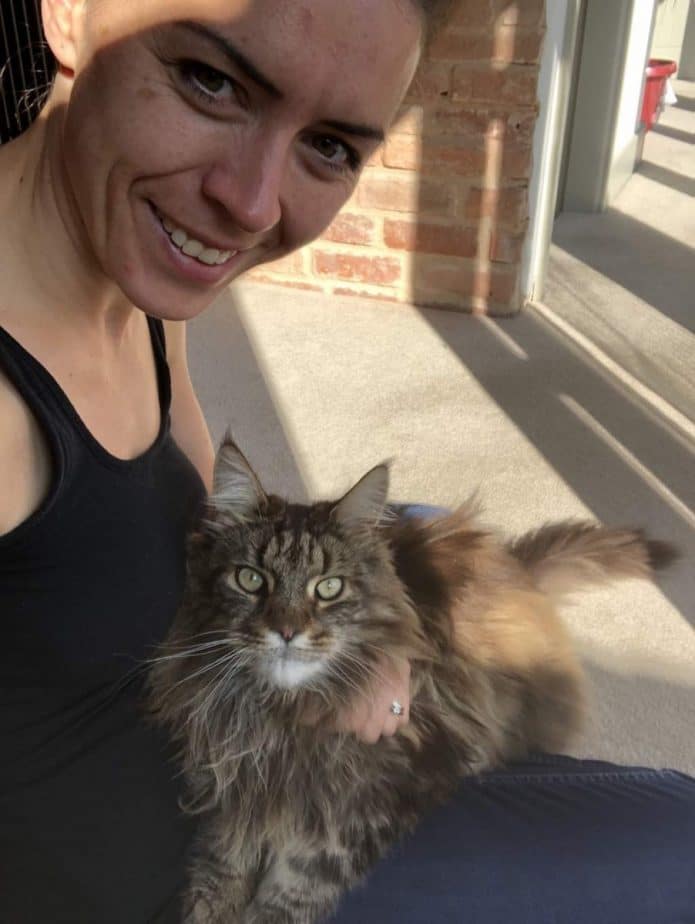
Mika is a perfect example. He will lie with his paws wrapped around the pet water fountain and stick his entire face into the flow of water, soaking the front of his face. It is funny, messy, and very Maine Coon-like: curious, sensory, and completely committed to whatever has caught his interest.
Some Maine Coons also use their paws to scoop food or water, drag dry food out of bowls, splash in fountains, or leave trails of litter because of their large paws and long toe tufts.
Useful items include:
- A large waterproof mat under fountains
- Heavy bowls
- A stable water fountain
- Large litter trays
- High-sided litter boxes
- Good litter-trapping mats
- Regular cleaning around food and water stations
For litter mess, link to how to stop Maine Coons from tracking litter everywhere.
16. Maine Coons Can Be Nervous Or Overstimulated
The “gentle giant” label can make people assume Maine Coons are always calm, confident, and tolerant. That is not true.
Mika is highly sensitive to overstimulation. Even at eight years old, he can switch quickly from enjoying affection to needing space. Overstimulation can happen during play or stroking and may escalate within seconds.
Something as small as the sound of trainers on our wooden floors causes him visible anxiety. He will run and hide despite there being no real threat.
Bali is much gentler, but he still has nervous traits likely linked to limited early socialisation. Pippin, by contrast, was confident and sociable from kittenhood.
This is why early socialisation matters. Kittens exposed gently to household noise, visitors, children, handling, and everyday life are often more adaptable as adults. Cats adopted later in life can still be loving companions, but their fear responses and tolerance thresholds may be more fixed.
For nervous cats, read Why is my Maine Coon so scared? and Are Maine Coons shy?.
17. Maine Coons Can Damage Floors, Furniture, and Household Items
Maine Coons are large, powerful cats. When they run, jump, skid, scratch, or climb, they can cause more wear than a smaller cat. Bali’s zoomies have severely scratched my oak floors.
Large claws, heavy bodies, and sudden bursts of energy can leave marks on wooden floors, furniture, rugs, and cat trees.
This does not mean Maine Coons are destructive by nature, but their size magnifies normal cat behaviour.
You can reduce damage with:
- Regular nail trims
- Strong scratching posts
- Tall cat trees
- Rug runners on slippery floors
- Daily play
- Puzzle toys
- Safe climbing spaces
- Furniture protection in favourite areas
18. Maine Coons Are Medium To High Maintenance
Maine Coons are not the easiest cats to own.
They need more than food, water, and a huge litter tray. A Maine Coon owner needs to think about grooming, enrichment, weight, dental health, insurance, scratching spaces, litter tracking, coat changes, vet costs, and emotional needs.
They are best suited to owners who want an interactive, affectionate, intelligent companion and are prepared to invest time and money into proper care.
If you want a very low-maintenance pet, a Maine Coon may not be the right choice.
Are Maine Coons Worth It?
For the right owner, yes, Maine Coons are absolutely worth it.
Pippin, Mika, and Bali have brought enormous joy, affection, humour, and companionship into my life. Pippin’s friendliness, Mika’s clever but anxious personality, and Bali’s affectionate, fetch-playing nature have all shown me different sides of this breed.
However, they have also taught me that Maine Coons are not just beautiful cats. They are a serious responsibility. Their costs, grooming needs, health risks, and emotional intensity can be far greater than new owners expect.
A Maine Coon is worth it if you want a loyal, intelligent, interactive cat and are prepared for the reality behind the fluffy photos.

Who Should Get A Maine Coon?
A Maine Coon may be right for you if you:
- Want an affectionate, interactive cat
- Have time for grooming and play
- Can afford good food, insurance, and vet care
- Have enough space for large cat equipment
- Enjoy clever, curious cats
- Want a cat that is involved in family life
- Are prepared for shedding and cleaning
- Understand that every cat has an individual personality
Who Should Not Get A Maine Coon?
A Maine Coon may not suit you if you:
- Want a very low-maintenance pet
- Dislike shedding
- Cannot afford pet insurance
- Are rarely home
- Do not want to groom regularly
- Have no space for large cat furniture
- Expect every Maine Coon to be cuddly and confident
- Want a quiet, invisible cat
- Are not prepared for possible health costs
Related Maine Coon Guides
For more help deciding whether this breed is right for you, read these guides:
What Is A Maine Coon?
Start here if you want a complete overview of the breed’s size, origin, temperament, care needs, and appearance.
Maine Coon Personality
Learn how Maine Coons think, communicate, bond, play, vocalise, and behave around people and other pets.
Reasons To Get A Maine Coon
Read this if you want the positive side of the breed, including why owners fall in love with Maine Coons.
How Much Do Maine Coon Cats Cost?
Use this guide to understand kitten prices, food costs, insurance, grooming, equipment, and long-term ownership expenses.
Best Maine Coon Pet Insurance
Compare why pet insurance matters for a large breed with potential inherited health risks and high emergency vet costs.
Maine Coon Grooming And Care
Learn how to manage shedding, mats, brushing, coat care, nail trimming, and grooming problems.
Can Maine Coon Cats Be Kept Indoors?
Find out how to keep an indoor Maine Coon happy with cat trees, enrichment, play, and safe outdoor alternatives.
FAQs About Maine Coon Pros And Cons
Are Maine Coons Good Pets?
Maine Coons can be excellent pets for the right owner. They are usually friendly, intelligent, playful, affectionate, and sociable. However, they need grooming, enrichment, space, attention, insurance, and regular veterinary care.
What Are The Main Downsides Of Maine Coon Cats?
The main downsides are shedding, grooming, high ownership costs, possible health issues, large equipment needs, attention needs, and the risk of boredom if they are not mentally stimulated.
Are Maine Coons Good With Children?
Many Maine Coons are good with children because they are often gentle and patient. However, children must still be taught to handle cats respectfully and give them space.
Are Maine Coons High Maintenance?
Maine Coons are medium to high maintenance. They need regular grooming, daily enrichment, large cat furniture, good food, nail care, dental care, and proper veterinary support.
Do Maine Coons Shed A Lot?
Yes, many Maine Coons shed heavily, especially during seasonal coat changes. Coat type varies, but shedding and fur around the home are normal parts of ownership.
Are Maine Coons Expensive?
Maine Coons can be expensive. Costs include the kitten or adoption fee, premium food, large equipment, pet insurance, dental care, grooming tools, and possible emergency or specialist vet bills.
Are Maine Coons Aggressive?
Maine Coons are not usually aggressive, but any cat can lash out if frightened, overstimulated, in pain, or handled too roughly. Pain from mats, arthritis, dental disease, or hip problems can trigger defensive behaviour.
Can Maine Coons Be Left Alone?
Maine Coons can be left alone for normal periods, but many do not cope well with long hours of isolation every day. They need companionship, play, grooming, and mental stimulation.
Are Maine Coons Good Indoor Cats?
Maine Coons can live happily indoors if they have enough enrichment, space, cat trees, scratching posts, window views, puzzle feeders, and daily play.
Should I Get A Maine Coon?
You should consider a Maine Coon if you want a large, affectionate, intelligent, interactive cat and are prepared for grooming, shedding, costs, enrichment, and potential health issues. If you want a low-maintenance pet, a Maine Coon may not be the best fit.
Conclusion: Maine Coon Pros And Cons
Maine Coons are remarkable cats. They can be affectionate, loyal, intelligent, playful, funny, sociable, and deeply bonded to their owners.
But they are not effortless pets. They shed, need grooming, cost more than many cats, require enrichment, and may face serious health issues. Their large size affects everything from food bills to litter trays, cat trees, vet fees, and insurance.
After owning Pippin, Mika, and Bali, I still believe Maine Coons are extraordinary companions. But I also think new owners deserve honesty. This breed is not just a beautiful giant cat for photographs. A Maine Coon is a long-term commitment, emotionally and financially.
For the right home, they are worth every bit of effort. For the wrong home, they can become overwhelming.