
Can Maine Coons Eat Cheese? What’s Safe & What To Avoid
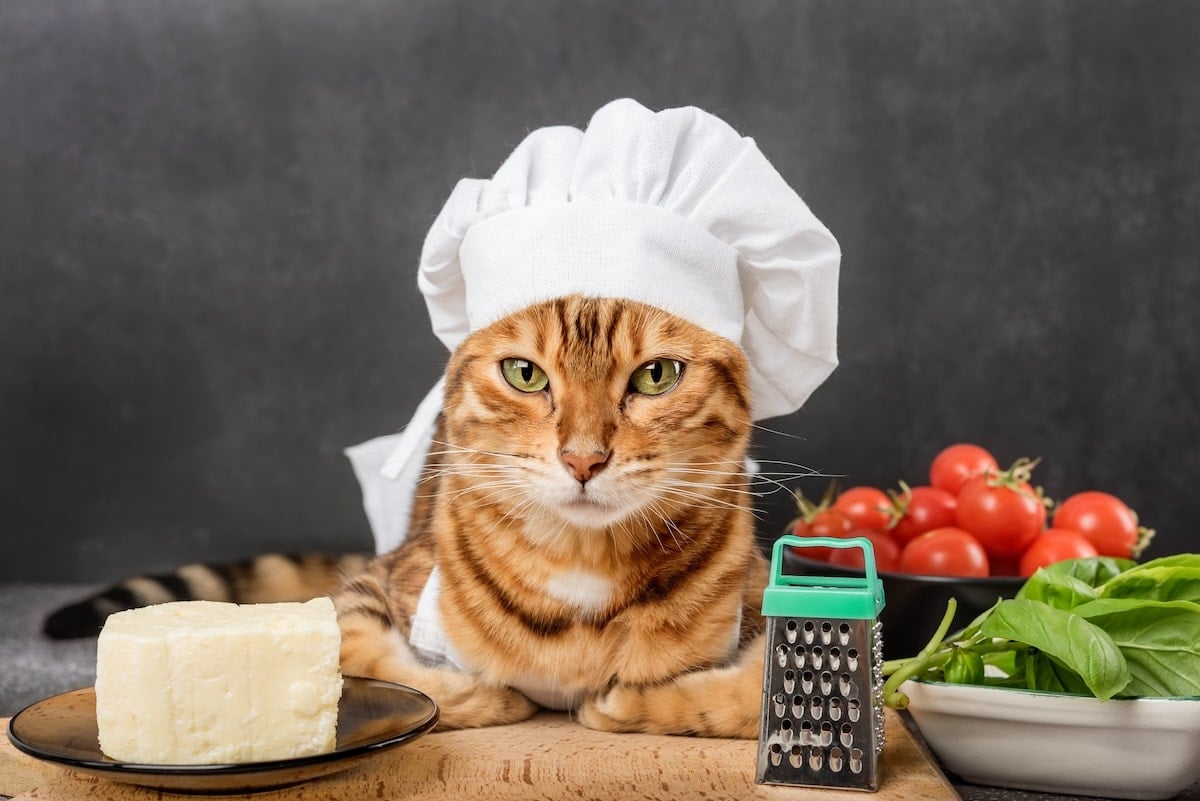
Whenever I take the cheese out of the fridge, I instantly hear chirps and trills from my Maine Coon as he quickly makes his way toward the counter to investigate!
Knowing that Maine Coons are lactose intolerant, I have to admit this feline behavior baffles me! Why does my cat want to eat human food?!
While cats can technically eat cheese, it’s not ideal. Most cats are lactose intolerant, so that dairy can cause digestive issues like vomiting and diarrhea. Cheese is high in fat and calories, potentially leading to obesity and other health problems. It’s best to avoid feeding cats cheese altogether.
Yes, Maine Coons can eat cheese in small amounts, but it should not replace a balanced diet. Cheese is not toxic, yet many cats are lactose intolerant and may experience digestive upset.
Quick Answer:
✔ Safe in tiny amounts
⚠ May cause digestive upset
❌ Avoid if lactose intolerant
Is Cheese Safe For Maine Coons?
Cheese is not toxic to cats. However, most adult cats produce low levels of lactase, the enzyme required to digest lactose.
This means dairy can cause:
- Diarrhea
- Gas
- Stomach discomfort
How Much Cheese Can A Maine Coon Eat?
If tolerated:
- A pea-sized piece
- Occasionally
- Not daily
Hard cheeses (like cheddar) contain less lactose than soft cheeses.
Is Cheese Toxic To Cats?
No. Cheese is not toxic, but it is unnecessary in a feline diet.
What Happens If My Maine Coon Eats Too Much Cheese?
Possible effects include:
- Loose stools
- Vomiting
- Bloating
Symptoms usually resolve within 24 hours.
Are Kittens Allowed To Eat Cheese?
Kittens may tolerate milk slightly better than adults, but dairy is still unnecessary. Avoid routine feeding.
Can Maine Coons Eat Cheese?
Maine Coon cats, once wild hunters, thrived on a protein-rich diet in the wild, with dairy not being a part of their natural intake. They are obligate carnivores.
Despite their ancestral history, modern domesticated Maine Coons still retain lactose intolerance, making cheese consumption risky.
Feeding cheese to these large cats can lead to the following gastrointestinal issues due to their inability to digest lactose efficiently:
- Diarrhea
- Vomiting
Cheese is also high in fat and calories, which can contribute to obesity and other health problems.
It also lacks essential nutrients vital for a cat’s balanced diet, potentially resulting in nutritional deficiencies.
Thus, it’s safer to refrain from feeding cheese to Maine Coon cats to maintain their overall health and well-being.
Instead, feed your cat a nutritionally balanced diet of high-quality cat food and animal protein. This can be a mixture of wet food, dry food, and raw meat.
13 Reasons Why Cheese Is BAD For Cats
Below are the key reasons why cat parents should not feed their cats cheese:
- Lactose Intolerance: Most cats, including Maine Coons, lack sufficient lactase to digest lactose in cheese, leading to digestive upset like diarrhea and vomiting.
- High-Fat Content: Cheese is rich in fats, which can contribute to obesity and related health issues in cats. Fat should make up 20 to 30% of a Maine Coon’s diet, but the fat content in cheese could be too much for a Maine Coon, on top of their normal diet.
- High Calories: Excessive cheese consumption can lead to weight gain and obesity, risking diabetes, joint problems, and heart disease.
- Sodium Levels: Cheese often contains high levels of sodium, which can elevate blood pressure and strain the kidneys.
- Potential Allergies: Cats may develop allergies to dairy proteins present in cheese, causing skin issues, itching, and discomfort.
- Risk Of Pancreatitis: High-fat diets, including cheese, can trigger pancreatitis, a painful inflammation of the pancreas.
- Nutrient Imbalance: Cheese lacks essential nutrients like taurine, vital for a cat’s health, leading to deficiencies over time.
- Tooth Decay: Dairy products like cheese can promote dental issues like tartar buildup and tooth decay in cats.
- Digestive Issues: Cheese can cause gastrointestinal discomfort, gas, bloating, and constipation in cats.
- Choking Hazard: Cats may not chew cheese thoroughly, posing a choking risk, especially with large chunks or stringy varieties.
- Unnatural Diet: Dairy products are not part of a cat’s natural diet and offer minimal nutritional benefits compared to their carnivorous needs.
- Veterinary Caution: Veterinarians advise against feeding cheese to cats due to the potential health risks associated with dairy consumption.
- Toxic Ingredient Potential: Cheese from a human meal may contain food or herbs that are toxic to cats.
Whilst small quantities of cheese can be an occasional treat for your cat, it’s not advisable to give your furry friend too much cheese.
How To Spot Lactose Intolerance In Cats
Here are some common signs that a cat may be lactose intolerant:
- Digestive upset: Symptoms include diarrhea, vomiting, or abdominal discomfort after consuming dairy products.
- Flatulence: Excessive gas production can occur due to lactose fermentation in the gut. The result is bloating and stomach pain.
- Lethargy: Cats may appear tired or less active than usual.
- Skin issues: Itching, redness, or other skin irritations may develop due to allergic reactions.
- Increased Thirst Or Urination: Cats may drink more water or urinate more frequently to compensate for fluid loss from diarrhea.
If you notice any of these signs after your cat consumes dairy, it’s a good idea to avoid feeding them lactose-containing products again.
Is Cooked Cheese Safe For Cats?
Cooked cheese, in small amounts and occasionally, is generally considered safe for cats.
Cooking cheese can reduce its lactose content and make it easier for some cats to digest.
However, it’s essential to offer cheese in moderation and ensure it is fully cooked, as some cats may still experience gastrointestinal upset or other adverse reactions, especially if they are lactose intolerant.
Additionally, cheese is high in fat and calories, so excessive consumption can contribute to weight gain and other health issues.
Can Cheese Kill Cats?
Cheese itself is not typically lethal to cats, but excessive consumption can lead to digestive upset, including diarrhea and vomiting.
Certain types of cheese, particularly those high in fat or containing additives like garlic or onion, can pose more significant health risks.
What To Do If Your Cat Eats Cheese
If a cat owner discovers that their cat has eaten cheese, it’s essential to take appropriate action to mitigate any potential health risks.
Here’s what they should do:
- Monitor The Cat: Keep a close eye on the cat for any signs of discomfort or distress.
- Contact A Vet: If the cat shows symptoms of lactose intolerance or other adverse reactions, contact a veterinarian for guidance.
- Provide Water: Ensure the cat has access to fresh water to stay hydrated.
- Observe Symptoms: Watch for symptoms like vomiting, diarrhea, or changes in behavior.
- Avoid Dairy: Refrain from feeding the cat dairy products in the future to prevent similar incidents.
Related Foods Maine Coons Can Eat
Cheese is not the only human food Maine Coons may encounter in the home. Some foods are much safer than others, while certain ingredients should always be avoided.
For example, lean meats are generally safer than dairy products, because cats are obligate carnivores and digest animal protein more efficiently. If you’re curious about safe protein options, read our guide: Can Maine Coons Eat Cooked Chicken?
Some fruits may also be safe in tiny portions as occasional treats. For example, learn whether fruit is suitable for cats in our article: Can Maine Coons Eat Bananas?
These guides explain portion sizes, preparation methods, and risks, helping you decide what human foods are safe to share with your Maine Coon.
Conclusion
In conclusion, while Maine Coon cats may enjoy the taste of cheese, it’s best to avoid feeding it to them due to the potential risks associated with lactose intolerance and digestive issues.
Cheese lacks significant nutritional benefits for cats and can lead to gastrointestinal discomfort or even more severe health problems.
Maine Coon Owners must prioritize their cats’ well-being by offering them a balanced diet consisting of species-appropriate foods recommended by veterinarians.
Always consult with a veterinary professional if you have concerns about your cat’s diet or health.
