Maine Coon Persian Mix: Size, Personality & Health
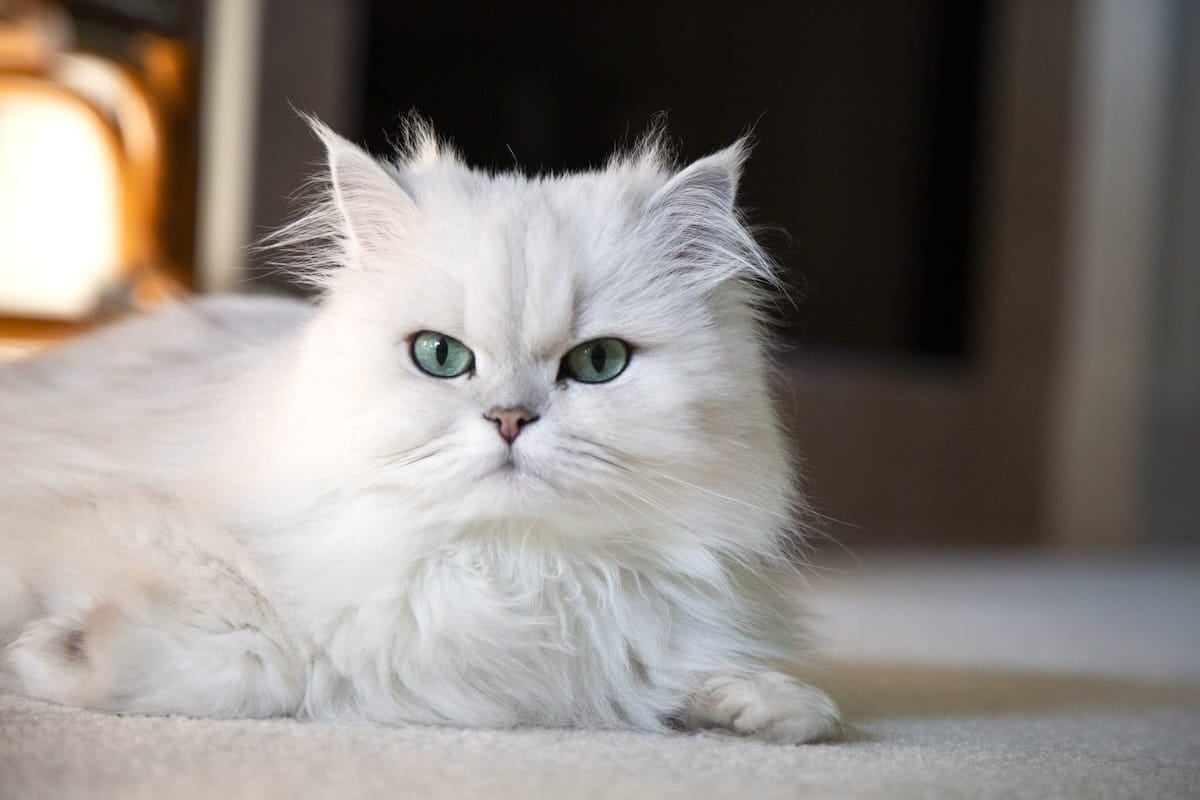
A Maine Coon Persian mix combines two famous long-haired cat breeds with very different appearances and personalities.
Maine Coons are large, long-bodied cats known for their square muzzles, shaggy coats, bushy tails, and sociable personalities. Persians tend to have more compact bodies, rounder heads, shorter faces, extremely dense coats, and calmer temperaments. So, what happens when these two breeds are crossed?
The answer is not as predictable as many websites suggest. A Maine Coon Persian mix is not a standardized cat breed, which means there is no official size, appearance, personality, or coat type. One kitten might strongly resemble a Maine Coon, while another from the same litter could inherit considerably more Persian characteristics.
Quick Answer
A Maine Coon Persian mix is a cat with both Maine Coon and Persian ancestry. These cats are usually long-haired and may inherit the Maine Coon’s larger frame, long tail, and playful nature, the Persian’s rounder features, dense coat, and calmer personality, or a mixture of both.
They may grow into medium or large cats, but there is no reliable standard weight or size for this cross.
Potential owners should also be aware of inherited health risks from both parent breeds, including hypertrophic cardiomyopathy (HCM), spinal muscular atrophy (SMA), polycystic kidney disease (PKD), and health problems associated with very short Persian-style faces.
Maine Coon Persian Mix At A Glance
| Trait | Maine Coon Persian Mix |
|---|---|
| Official breed? | No |
| Parent breeds | Maine Coon and Persian |
| Size | Usually medium to large, but highly variable |
| Coat | Usually long and dense |
| Shedding | Moderate to high |
| Face | May be Maine Coon-like, Persian-like, or intermediate |
| Personality | Often affectionate; activity level varies |
| Grooming | Moderate to high |
| Hypoallergenic? | No |
| Good family pet? | Can be, depending on temperament and socialization |
| Health testing important? | Yes |
| Lifespan | No reliable mix-specific average |
What Is A Maine Coon Persian Mix?
A Maine Coon Persian mix, sometimes called a Persian Maine Coon mix, is simply a cat descended from both Maine Coons and Persians.
A first-generation kitten has one Maine Coon parent and one Persian parent. Other cats advertised under this name may have more complicated ancestry, such as one mixed parent. This distinction matters because mixed-breed genetics do not produce an exact 50/50 blend of physical and behavioral characteristics.
One kitten might inherit:
- A long Maine Coon-style body
- Large ears
- A rounder Persian-style face
- A dense, flowing coat
- A relatively calm personality
Another could inherit a completely different combination. This is why exact claims about how large every Maine Coon Persian mix will grow, what its face will look like, or how it will behave should be treated cautiously.
Is A Maine Coon Persian Mix A Recognized Breed?
Maine Coons and Persians are recognized pedigree breeds with established breed standards. A Maine Coon Persian mix has no separate official breed standard, so there is no required:
- Weight
- Body shape
- Face shape
- Coat texture
- Eye color
- Ear shape
- Personality
You might see these cats advertised as a “designer breed,” but this is a marketing description rather than recognition as a pedigree breed.
If you are trying to choose between the two purebred cats rather than learn about their offspring, read my Maine Coon vs Persian comparison instead.
What Does A Maine Coon Persian Mix Look Like?
Appearance can vary considerably because Maine Coons and Persians have very different physical structures.
Size And Body Shape
Maine Coons are large, muscular cats with long rectangular bodies and substantial bone structure. Persians tend to be more compact, with shorter bodies and legs.
A Maine Coon Persian mix may therefore have:
- A medium to large frame
- A long or moderately compact body
- Broad chest
- Heavy bone structure
- Large paws
- Medium or long legs
It is not safe to assume that every Maine Coon Persian mix will become a giant cat simply because one parent is a Maine Coon. Gender, genetics, nutrition, and the size of both parents all influence adult growth.
If you know the kitten’s parents, their size and structure will give you a much better indication of what to expect than a generic online weight chart.
Face And Ears
This is where the difference between individual kittens can be especially noticeable.
Maine Coons typically have:
- Square muzzles
- High cheekbones
- Large ears
- Prominent ear furnishings
Persians generally have:
- Round heads
- Large round eyes
- Smaller ears
- Shorter noses and muzzles
A mixed kitten could inherit a normal-length muzzle, an intermediate face, or a much shorter Persian-type face. Extremely shortened facial structure is worth taking seriously rather than viewing as purely cosmetic. Flat-faced, or brachycephalic, cats can experience increased risks of eye, dental, and breathing problems.
If choosing a kitten, prioritize clear breathing, open nostrils, healthy eyes, and functional facial structure over an extremely flat appearance.
Coat, Tail, And Colors
Both parent breeds have long coats, so a genuine Maine Coon Persian mix will usually be very fluffy. The coat may be:
- Long
- Dense
- Silky
- Shaggy
- Heavily feathered
- Thick around the neck and hindquarters
Some cats inherit more of the Maine Coon’s uneven, shaggy coat, while others develop the extremely dense, flowing coat associated with Persians. They may also have a long, heavily furred tail.
Possible colors and patterns include:
- Black
- Blue
- Red
- Cream
- White
- Brown
- Silver
- Golden
- Tabby
- Smoke
- Shaded
- Tortoiseshell
- Calico
- Bicolor
Exact color inheritance depends on the genes carried by the parents. You can learn more about Maine Coon coat terminology in my Maine Coon Colors And Pattern Guide.
Maine Coon Persian Mix Personality
This cross is often described as combining the Maine Coon’s friendly personality with the Persian’s laid-back temperament. That certainly can happen, but it should not be treated as guaranteed.
Maine Coons are typically described as:
- Friendly
- Curious
- Playful
- Intelligent
- Sociable
- People-oriented
Persians are generally known for being:
- Calm
- Gentle
- Quiet
- Affectionate
- Relaxed
A Maine Coon Persian mix could therefore be an energetic cat that follows you around the house, a quiet companion that prefers relaxing nearby, or anything between those two extremes. Personality is influenced by more than ancestry. Early socialization, environment, handling, health, and the individual cat all matter.
Are They Good Family Cats?
They can be excellent family pets when properly socialized. However, no breed mix guarantees that an individual cat will enjoy noisy children, being picked up, or living with other pets.
Children should always learn to:
- Handle cats gently
- Avoid pulling fur or tails
- Respect sleeping areas
- Leave the cat alone when it walks away
- Recognize signs that the cat has had enough attention
Maine Coon Persian mixes can also live happily with other cats and dogs, but gradual introductions and individual temperament matter far more than coat or breed ancestry.
Grooming And Shedding
This is one area where you should expect a fairly substantial commitment. Both parent breeds have significant coats, and some Maine Coon Persian mixes may require daily grooming. Pay particular attention to:
- Behind the ears
- Under the front legs
- Chest
- Belly
- Hind legs
- Base of the tail
A soft, dense Persian-type coat may mat quickly, whereas a silkier Maine Coon-style coat can sometimes be easier to maintain. Brush or comb the coat often enough to prevent knots rather than waiting until mats have formed.
You should also regularly check:
- Eyes
- Ears
- Claws
- Teeth
- Skin
Cats with shorter Persian-style faces may experience increased tearing and require more frequent cleaning around the eyes.
Do They Shed?
Both Maine Coons and Persians shed, so this is not a low-shedding cross. Regular grooming removes loose hair before it ends up around your house and reduces the amount swallowed while the cat grooms itself.
Are Maine Coon Persian Mixes Hypoallergenic?
Long hair itself is not what causes cat allergy. Allergic reactions are primarily triggered by proteins produced by the cat. A Maine Coon Persian mix should therefore not be considered hypoallergenic.
Feeding A Maine Coon Persian Mix
A Maine Coon Persian mix does not require a special diet simply because it is a cross between two pedigree breeds. Feed a complete and balanced food appropriate for your cat’s life stage, then adjust the amount according to:
- Age
- Weight
- Activity level
- Body condition
- Neutering status
- Health
Be especially careful when assessing weight because thick fur can hide changes in body condition. You should be able to feel your cat’s ribs beneath a light covering of tissue without having to press through a thick layer of body fat.
For a much more detailed discussion of feeding, see my Maine Coon Diet And Nutrition Guide.
Maine Coon Persian Mix Health Problems
Crossing two breeds does not automatically remove inherited health risks. A Maine Coon Persian mix can potentially inherit disease-associated genes from either side of its family. The following conditions are particularly worth knowing about.
1. Hypertrophic Cardiomyopathy
Hypertrophic cardiomyopathy, commonly called HCM, causes abnormal thickening of the heart muscle. Maine Coons are one of the breeds known to have an inherited HCM-associated genetic variant. Responsible Maine Coon breeding programs may therefore use both genetic testing and cardiac screening.
2. Spinal Muscular Atrophy
Spinal muscular atrophy (SMA) is an inherited neuromuscular disease found in Maine Coons. DNA testing is available, making this an important test to ask about when a Maine Coon is intentionally being used for breeding.
3. Polycystic Kidney Disease
Polycystic kidney disease (PKD) is particularly important when Persian ancestry is involved. The disease causes fluid-filled cysts to develop in the kidneys and is strongly associated with Persian lines. DNA testing for the relevant PKD1 mutation is available.
Anyone deliberately breeding Persian crosses should therefore be able to discuss the Persian parent’s PKD status.
4. Joint Problems
Maine Coons can be susceptible to orthopedic conditions including:
- Hip dysplasia
- Patellar luxation
Keeping a large cat at a healthy weight can help reduce unnecessary stress on the joints. Speak with your veterinarian if you notice stiffness, reluctance to jump, limping, or changes in movement.
5. Flat-Face Related Problems
If a kitten inherits a substantially shortened Persian-style muzzle, watch carefully for:
- Noisy breathing
- Narrow nostrils
- Excessive eye watering
- Eye irritation
- Dental crowding
- Difficulty eating
- Exercise intolerance
These should not automatically be dismissed as normal Persian characteristics. Functional breathing and healthy eyes should always be prioritized over an exaggeratedly flat appearance.
Health Tests To Ask A Breeder About
If someone has deliberately bred Maine Coon Persian kittens, ask what health screening was performed before the mating took place.
Useful questions include:
- Has the Maine Coon parent been screened for HCM?
- Has cardiac imaging been performed where appropriate?
- Has the Maine Coon parent been tested for SMA?
- Have relevant hip or patella assessments been performed?
- Has the Persian parent been tested for PKD?
- Is there kidney disease in the Persian family line?
- Do either of the parents have ongoing breathing, dental, or eye problems?
- Can you see copies of the actual test results?
“The parents are healthy” is not the same thing as evidence of appropriate health testing.
How Long Do Maine Coon Persian Mixes Live?
There is no reliable published lifespan specifically for Maine Coon Persian mixes. You will see websites quoting precise averages, but there is not enough standardized population data to justify a confident mix-specific figure.
An individual cat’s lifespan can be influenced by:
- Genetics
- Inherited disease
- Weight
- Nutrition
- Dental health
- Lifestyle
- Veterinary care
Regular health checks and maintaining a healthy body condition are considerably more useful than relying on a generic lifespan estimate.
How Much Does A Maine Coon Persian Mix Cost?
There is no standard price for this cross. Prices vary depending on location, parentage, seller, and whether the kittens were deliberately bred. Do not assume that a high price proves quality. If someone is charging a premium for Maine Coon Persian kittens, I would expect evidence of:
- Parentage
- Health testing
- Vaccinations
- Veterinary care
- Appropriate socialization
- Safe living conditions
Be cautious of sellers who focus heavily on terms such as rare, giant, designer, or exotic while providing little information about health.
How Can I Tell If My Cat Is A Maine Coon Persian Mix?
You usually cannot confirm this cross from appearance alone. A cat with long fur, a bushy tail, large paws, and a broad face might have Maine Coon or Persian ancestry, but it might also simply be a domestic longhair. The strongest evidence is known parentage. Without that information, it is more accurate to say that a cat has Maine Coon- or Persian-like characteristics rather than state its ancestry as fact.
If you are specifically trying to determine whether your cat could have Maine Coon ancestry, read How To Tell If Your Cat Is Part Maine Coon.
Is A Maine Coon Persian Mix Right For You?
This cross could suit you if you:
- Love long-haired cats
- Have time for regular grooming
- Do not mind shedding
- Want an affectionate companion
- Can provide both play and quiet resting areas
- Accept that adult size and personality cannot be guaranteed
- Are prepared for veterinary and grooming costs
Think carefully if you:
- Want a low-maintenance coat
- Need a genuinely low-shedding cat
- Have significant cat allergies
- Want a guaranteed giant cat
- Have little time for grooming
- Are attracted mainly to extremely flat facial features
The individual cat should always matter more than the label attached to the cross.
Maine Coon Persian Mix FAQ
Will A Maine Coon Persian Mix Be Huge?
Not necessarily. Some inherit a substantial Maine Coon-style frame, while others remain closer to the more compact Persian body type. Adult size depends on the genes inherited from both parents.
Will They Have A Flat Face?
Some may inherit a shortened Persian-style muzzle, while others have a much longer face. An extremely flat face should not be considered desirable if it interferes with breathing, eye health, eating, or normal function.
Are Maine Coon Persian Mixes Affectionate?
Many are, since both parent breeds can form strong bonds with their owners. However, individual personality varies, and affection cannot be guaranteed from breed ancestry alone.
Do They Need Daily Grooming?
Some do. Cats with very dense Persian-style coats may require daily combing. Those with a silkier Maine Coon-type coat may cope with grooming several times each week.
Are Maine Coon Persian Mixes Rare?
They are less commonly encountered than purebred Maine Coons or Persians, but no reliable population data show exactly how rare they are.
Are They Hypoallergenic?
A Maine Coon Persian mix should not be considered hypoallergenic or allergy-free.
Conclusion
A Maine Coon Persian mix can be a beautiful, affectionate long-haired companion, but this cross is far less predictable than many online descriptions suggest. Some kittens may strongly resemble Maine Coons, with large ears, long bodies, and huge bushy tails. Others may inherit a rounder Persian face, compact build, and exceptionally dense coat.
The same variation applies to personality and adult size. Rather than looking for an imaginary “perfect blend” of both breeds, judge each cat as an individual. Pay particular attention to grooming requirements, facial structure, and inherited health risks. If buying a deliberately bred kitten, ask for documented health testing from both parent lines and avoid sellers who prioritize extreme appearance over health.
With appropriate care, grooming, socialization, and veterinary support, a Maine Coon Persian mix can make a wonderful companion — but the individual cat matters far more than the designer label.