
Maine Coon Personality: Temperament & Behavior Traits
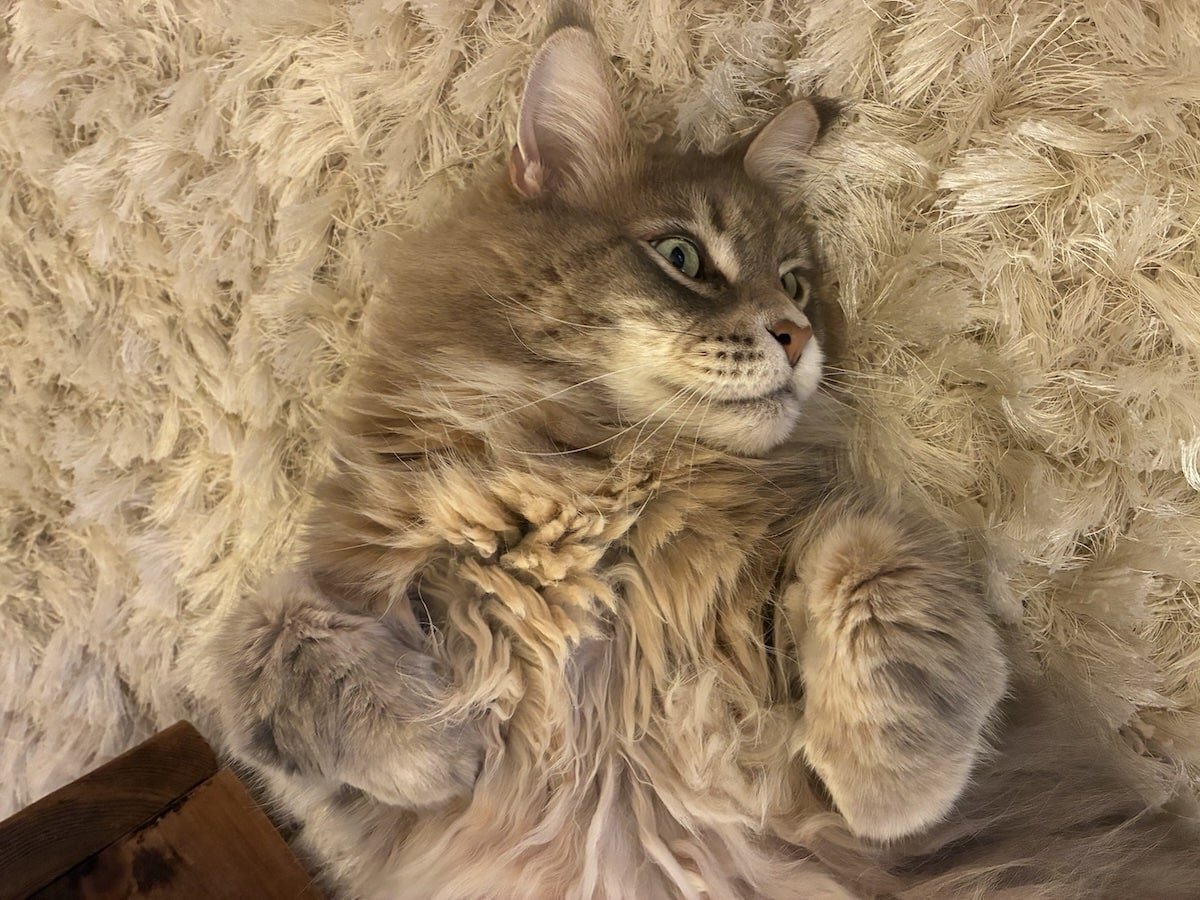
Maine Coons are famous for their affectionate, intelligent, and dog-like personalities. But there’s far more to their behaviour than their gentle giant reputation.
This hub page offers a comprehensive overview of how Maine Coons think, communicate, bond, play, express affection, manage stress, and interact with their environment, with links to in-depth articles across mainecooncentral.com for owners seeking expert-level details.
Whether you’re preparing for a Maine Coon or trying to understand your cat’s unique quirks, this personality hub explains everything in one structured guide.
Maine Coon Personality Overview
Maine Coons are known for being affectionate, social, and people-oriented without being overly demanding. They have a friendly, social, and people-focused nature. They are often described as “gentle giants” because they combine a large physical presence with a calm, affectionate temperament.
They tend to enjoy human company while still maintaining a degree of independence, often choosing to remain near their owners rather than constantly seeking attention.
Maine Coons are also known for being emotionally steady and adaptable. Many cope well with everyday household changes such as visitors, altered routines, or moderate noise. Rather than reacting with fear or stress, they often observe first and adjust gradually.
This calm tolerance is one reason Maine Coons are frequently described as easy to live with, even in busy family homes.
While individual personality varies, most Maine Coons enjoy being involved in daily family life rather than remaining distant or aloof.
They tend to form strong bonds with their owners and often prefer to be in the same room as their people, even if they are not actively seeking attention.
If you want a 100% honest perspective on life with Maine Coon Cats, read my article on the real pros and cons of owning a Maine Coon.
Are Maine Coons Affectionate And Loyal?
Maine Coons are generally affectionate cats, but their affection is often expressed through companionship rather than constant physical contact. Many will follow their owners from room to room, sit nearby, or sleep close rather than insisting on being held.
Loyalty in Maine Coons tends to look like consistency. They often choose a favourite person and develop a strong attachment over time, greeting them at the door, waiting nearby, or checking in throughout the day.
Many owners describe Maine Coons as dog-like in their social behaviour. This comparison does not mean they behave like dogs in training or obedience, but rather that they often seek involvement in family routines, respond to their name, and enjoy interactive play with their humans – traits less common in many other cat breeds.
This sociability makes them feel more like companions than aloof pets.
Affection is one of the breed’s strongest traits. Maine Coons enjoy sleeping near their owners, following them around the home, and engaging in gentle physical contact such as:
- Head-butting
- Licking
- Slow blinking
Their affection is never overwhelming – most maintain a respectful, relaxed independence.
While Maine Coons are affectionate, their companionship is often subtle rather than constant. Many show loyalty by staying nearby, following quietly, or choosing to sit close rather than seeking prolonged physical contact.
Understanding this helps set realistic expectations and prevents disappointment for owners expecting a lap-cat, allowing Maine Coons to be appreciated for their calm, steady presence instead.
Learn more here:
Do Maine Coons Follow Their Owners?
The following behaviour is very common in Maine Coons and is usually a sign of curiosity and social attachment rather than anxiety. These cats like to stay involved in whatever is happening around them and often act more like quiet observers than demanding companions.
A Maine Coon that follows you from room to room is usually comfortable, engaged, and enjoying your presence.
Clinginess Is Usually Social, Not Problematic
Maine Coons are naturally social and thrive on companionship. If your cat follows you from room to room, demands attention, or wants to be near you frequently, this usually reflects their instinctive desire for involvement and engagement rather than unhealthy attachment.
That said, extreme clinginess can sometimes signal boredom or lack of enrichment. Ensuring regular interactive play and mental stimulation often reduces excessive attention-seeking behaviour.
Here are some excellent Maine Coon Boredom Breakers.
Most Maine Coons sit somewhere between independence and clinginess. They enjoy company but usually dislike being forced into interaction. Many are happy to share space without constant touching and may move away once they have had enough attention.
This balance is one reason Maine Coons are often considered easy to live with – they are social without being overwhelming.
Maine Coons have a near-perfect balance of independence and affection. Most prefer to be near their humans without demanding constant attention. They are rarely clingy, but they can show neediness if understimulated, lonely, or experiencing stress.
Behaviour such as excessive shadowing, crying when left alone, or over-grooming may signal anxiety or unmet needs.
Maine Coons And ‘Dog-Like’ Behaviour
Maine Coons are often called “dog-like” because of their social and interactive nature. This doesn’t mean they behave like dogs in obedience or training, but many Maine Coons follow their people around, respond to their name, and enjoy play that resembles canine interaction.
This comparison is best understood as a reflection of their intelligence and sociability, not obedience or dependence.
Their willingness to participate in games, routines, and human activities often makes them feel more like companion animals than some other cat breeds.
Individual Personality Differences In Maine Coons
Although Maine Coons share many well-known breed traits, individual personality can vary significantly from one cat to another. Some Maine Coons are highly social and confident from kittenhood, while others are quieter, more reserved, or take longer to feel secure in new situations.
Early socialisation, genetics, environment, and life experiences all play a role in shaping behaviour. A Maine Coon that appears shy, independent, or less affectionate is not behaving “incorrectly” for the breed – they are simply expressing their own temperament.
In multi-cat households, personality differences can become even more noticeable. Some Maine Coons naturally take on a calm, companion-style role, while others are more observant, playful, or selective in how they interact. These differences often become clearer with age as cats settle into their adult personalities.
Understanding and respecting individual personality variation helps owners set realistic expectations and build stronger, more trusting relationships with their cats. Rather than trying to change behaviour, it’s usually more effective to adapt routines, enrichment, and interaction styles to suit the cat in front of you.
Playfulness, Intelligence & Trainability
Maine Coons are one of the most intelligent cat breeds. They learn quickly, enjoy puzzle toys, and often master commands such as “sit,” “come,” and “fetch.” Their intelligence also makes them problem-solvers:
- They open doors
- Explore cupboards
- Find new routes around the home
Mental stimulation is essential to prevent boredom, anxiety, or destructive behaviour. Interactive play, routines, and enrichment toys work extremely well for this breed.
Alongside their intelligence, many Maine Coons display small but distinctive quirks. Owners often notice a fascination with running water, a tendency to sit beside people rather than on laps, and a habit of using their paws to explore objects or gently touch people.
Many also like to quietly “supervise” household activities, watching closely without demanding attention. These behaviours reflect curiosity and engagement rather than neediness.
Maine Coons combine playful energy with emotional stability. Many remain kitten-like well into adulthood, but their behaviour is usually predictable rather than reactive.
Helpful guides include:
- Maine Coon Cat Speed
- Maine Coon Boredom Breakers: 15 Genius Ways To Keep Your Cat Entertained
- 25 New Ways To Spoil Your Cat!
Understanding Maine Coon Communication
Maine Coons are known for their soft and varied vocalisations, such as chirps, trills, and conversational meows. These sounds are typically ways of expressing interest, greeting a person, or signaling a desire to play rather than distress.
Unlike very loud breeds known for persistent meowing, Maine Coons use their voice more like a gentle conversation – a trait that many owners find charming. Their communication style is part of what makes them so endearing and easy to understand.
Dive deeper into vocal behaviour:
Maine Coons are not only sociable – they are naturally playful and curious.
Unlike many breeds that settle quickly, Maine Coons often remain playful well into adulthood. They enjoy interactive play with toys, games that mimic hunting, and even water play – many owners find their Maine Coons fascinated by running water or streams.
Their curiosity extends beyond toys; they often explore new rooms, investigate cabinets, and inspect small spaces, which is part of what makes them endlessly entertaining companions.
Why Maine Coons Vocalise The Way They Do
Maine Coons often express themselves with a range of sounds, including:
- Chirps
- Trills
- Occasional Meows
These aren’t random – they often carry specific meaning. Light chirping and trilling often signal greeting or interest; repeated vocalisations near feeding times can indicate anticipation; and more urgent sounds sometimes indicate hunger or discomfort.
Understanding these patterns helps owners respond appropriately, strengthening your bond and reducing confusion.
Do Maine Coons Need A Companion?
Maine Coons are generally tolerant and non-confrontational with other cats and dogs. They are rarely dominant and often prefer to observe rather than challenge new animals.
While introductions and environment matter more than breed alone, many Maine Coons adapt well to multi-pet households once settled, particularly when introductions are gradual and respectful of personal space.
Do Maine Coons Get Along With Other Pets?
Generally, yes – especially with:
- Friendly dogs
- Other cats
- Small pets (with supervision)
Their gentle personality and low prey drive make them excellent multi-pet companions when introductions are done correctly.
Learn more here:
Personality Compared To Average Cats
Compared to the average domestic cat, Maine Coons are often more social and interactive. While many cats enjoy affection on their own terms, Maine Coons tend to seek out and remain near family members, often following them around the house or participating in activities.
Their gentle, adaptable nature generally means they tolerate children, dogs, and other pets better than many other breeds – not because they lack independence, but because they balance sociability with self-confidence.
Calm And Adaptable Temperament
Maine Coons are generally emotionally steady and adaptable cats. Many cope well with household changes such as new visitors, altered routines, or moderate environmental noise.
Rather than reacting with fear or aggression, they often observe first and adjust gradually. This calm tolerance is one reason Maine Coons are frequently described as easy to live with, even in busy family homes.
Male Vs Female Maine Coon Personality Differences
Male and female Maine Coons often share the same core breed traits – sociable, intelligent, and people-oriented – but many owners notice subtle differences in how these traits are expressed.
Male Maine Coons are frequently described as more:
- Relaxed
- Easy-going
- Openly affectionate
Male Maine Coon cats often enjoy physical closeness, such as sitting beside or near their owners, and may appear more tolerant of handling. Many males retain a playful, almost kitten-like temperament well into adulthood.
By comparison, female Maine Coons are often more independent and selective in their affection. While still social and bonded to their families, they may prefer to interact on their own terms.
Females are commonly described as more:
- Agile
- Alert
- Observant
- Strong curiosity about their surroundings
These tendencies are general patterns rather than rules. Individual personality is shaped by genetics, early socialisation, and environment, and many male and female Maine Coons fall outside these typical descriptions.
In households with multiple Maine Coons, it’s not unusual to see males adopting a calmer, companion-like role. At the same time, females take on a more active or supervisory presence – though both sexes can be equally affectionate and loyal.
Activity Levels: Hyper Or Calm?
Despite their size, Maine Coons are not typically hyperactive cats. Kittens and adolescents can be energetic, but most adults are moderately active and enjoy bursts of play followed by long periods of relaxation.
They are more likely to engage in purposeful play rather than frantic activity, especially as they mature.
Hunting Instincts
Maine Coons are intelligent and curious. Many enjoy interactive play, puzzles, and exploration activities. Their natural hunting instincts can show up during play sessions, as they investigate small objects, chase toys, or engage with moving targets.
Providing varied enrichment keeps them stimulated and positively nurtures their instinctive behaviours.
Aggressive, Angry Or Reactive Behaviours
True aggression is rare in Maine Coons, and almost always caused by:
- Discomfort
- Fear
- Redirected stress
- Medical issues
- Poor socialisation
Growling, hissing, or sudden hostility usually has a clear trigger, and the breed is known for being unusually tolerant with children and other pets.
If your Maine Coon appears angry, avoid punishment and focus on identifying the underlying cause:
- Environmental changes
- Illness
- Resource guarding
- Overstimulation
- Fear
Read the deeper behaviour guides:
- 10 Causes Of Maine Coon Growling
- The Maine Coons Temper
- Why Is My Maine Coon So Mean | 14 Causes
- Maine Coon Aggression
Shyness And Confidence In Maine Coons
Shyness can stem from early life experiences, lack of early socialisation, or sensitivity to changes in the home. A shy Maine Coon is not unfriendly – they simply take longer to feel secure. Gentle encouragement, consistent routines, and positive social interactions help build confidence over time and deepen trust.
Hiding, avoiding touch, or reacting nervously to new environments are signs of fear rather than personality flaws. Most timid Maine Coons become confident with time, gentle exposure therapy, and positive reinforcement.
While many Maine Coons are outgoing and social, some cats may be more reserved or cautious, especially in new environments or around strangers.
Explore further:
Stress, Anxiety & Emotional Sensitivity
Maine Coons are emotionally intelligent and often sensitive to household changes. Stress can appear as:
- Over-grooming
- Hiding
- Loss of appetite
- Aggression
- Vocal changes
- Clinginess
Understanding these signals helps prevent anxiety-related behaviour issues.
Useful guides:
- Maine Coon Stress: Causes, Dangers & Treatment
- 8 Hidden Signs Your Maine Coon Is Secretly Depressed
- Your Maine Coon Thinks It’s A Dog – Is This Normal?!
Explore Specific Aspects Of Maine Coon behaviour
Understanding Maine Coon personality traits as tendencies rather than rules helps owners appreciate each cat for who they are, rather than how they are expected to behave.
If you are interested in learning more about this cat breed, take a look at the following:
- Why Maine Coons Lick Their Owners
- 13 Reasons Why Maine Coons Head Butt Their Owners
- Maine Coon Chuffing and Unique Sounds
Maine Coon Behaviour FAQ
Why are Maine Coons so friendly?
They are bred for sociability, intelligence, and confidence, making them naturally people-oriented.
Are Maine Coons aggressive?
Aggression is rare and usually caused by fear, medical issues, or stress – not personality.
Do Maine Coons like being held?
Some do, some don’t. Most prefer cuddle-adjacent contact like lap time or lying beside you.
Why does my Maine Coon chirp at me?
Chirping is a friendly greeting or an excited reaction.
Why does my Maine Coon follow me everywhere?
This is normal bonding behaviour, showing trust and companionship.
